
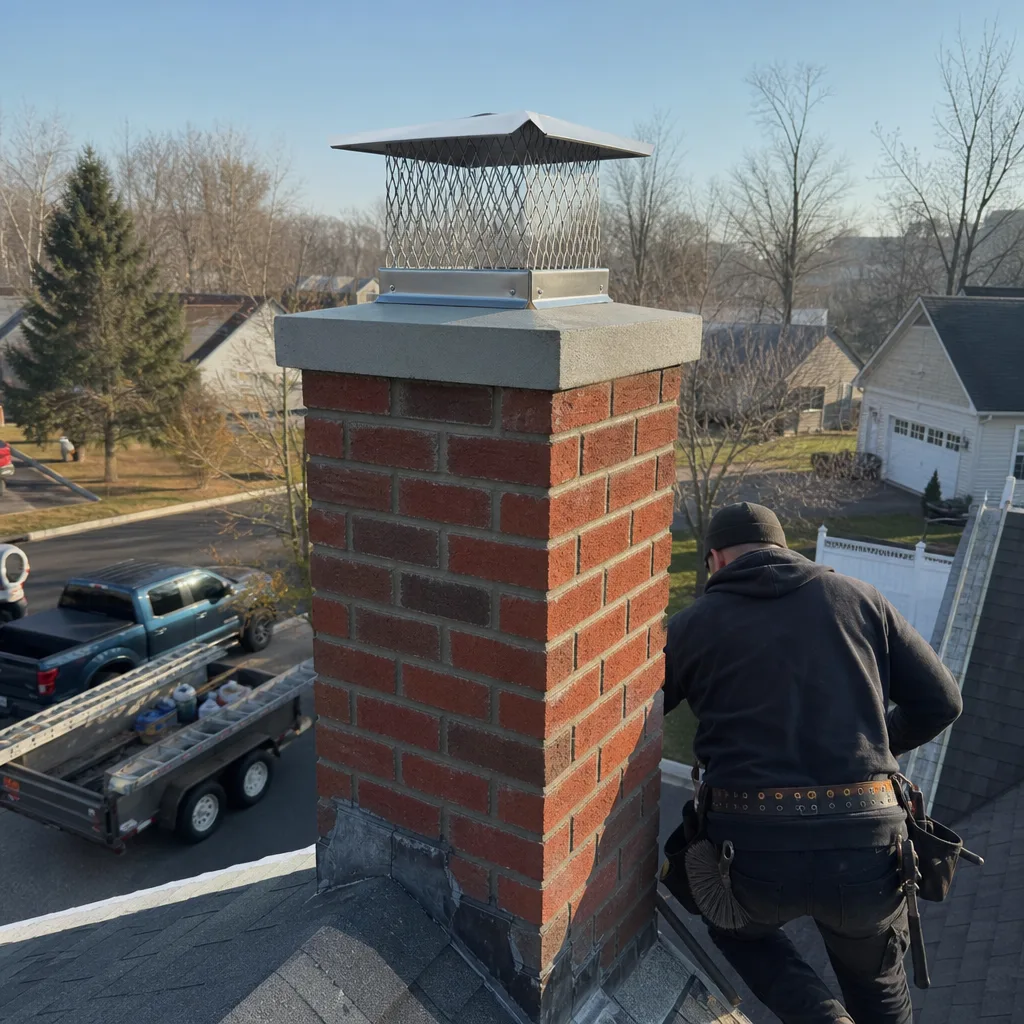
Level 1 sweep and inspection to the NFPA 211 annual standard - flue, crown, cap, and flashing checked and photographed
Chimney sweep logs do not sweep chimneys. They loosen some creosote - which then falls where a brush and vacuum still have to collect it.
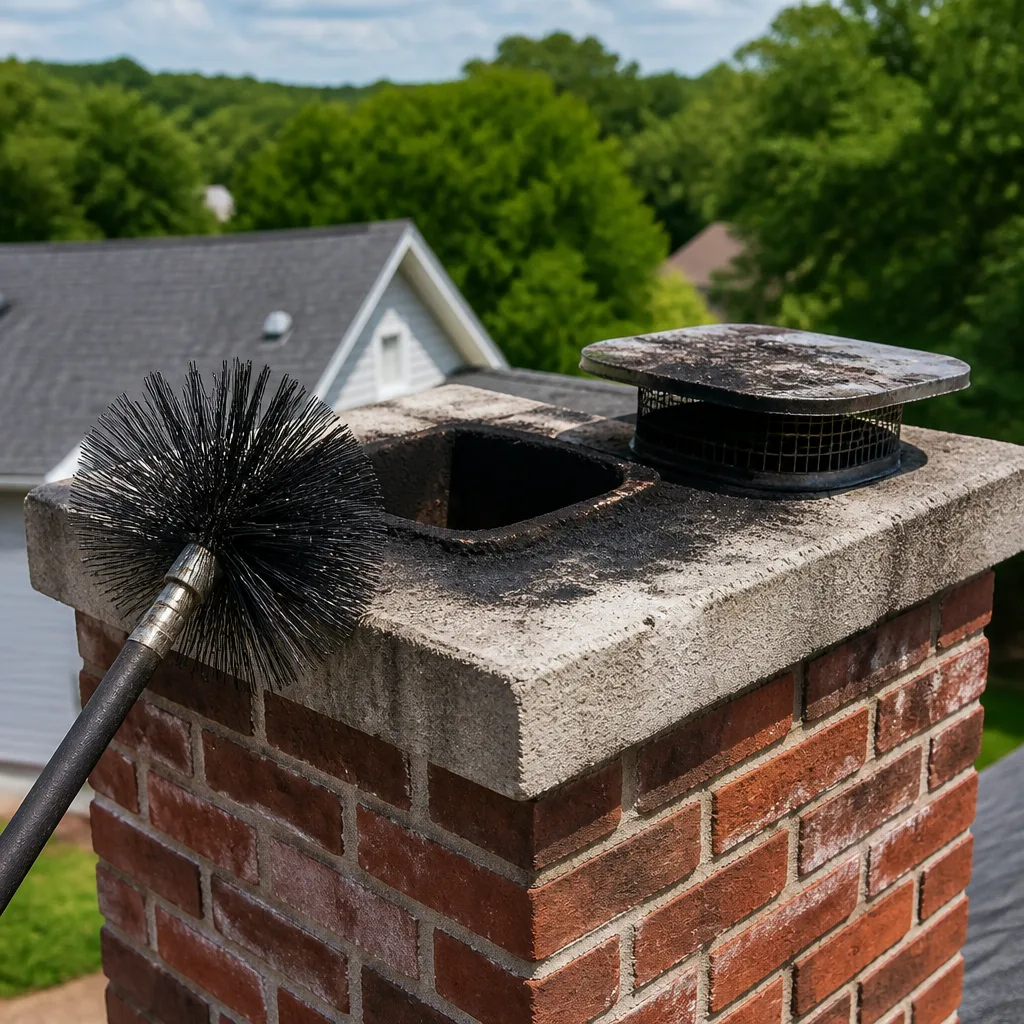
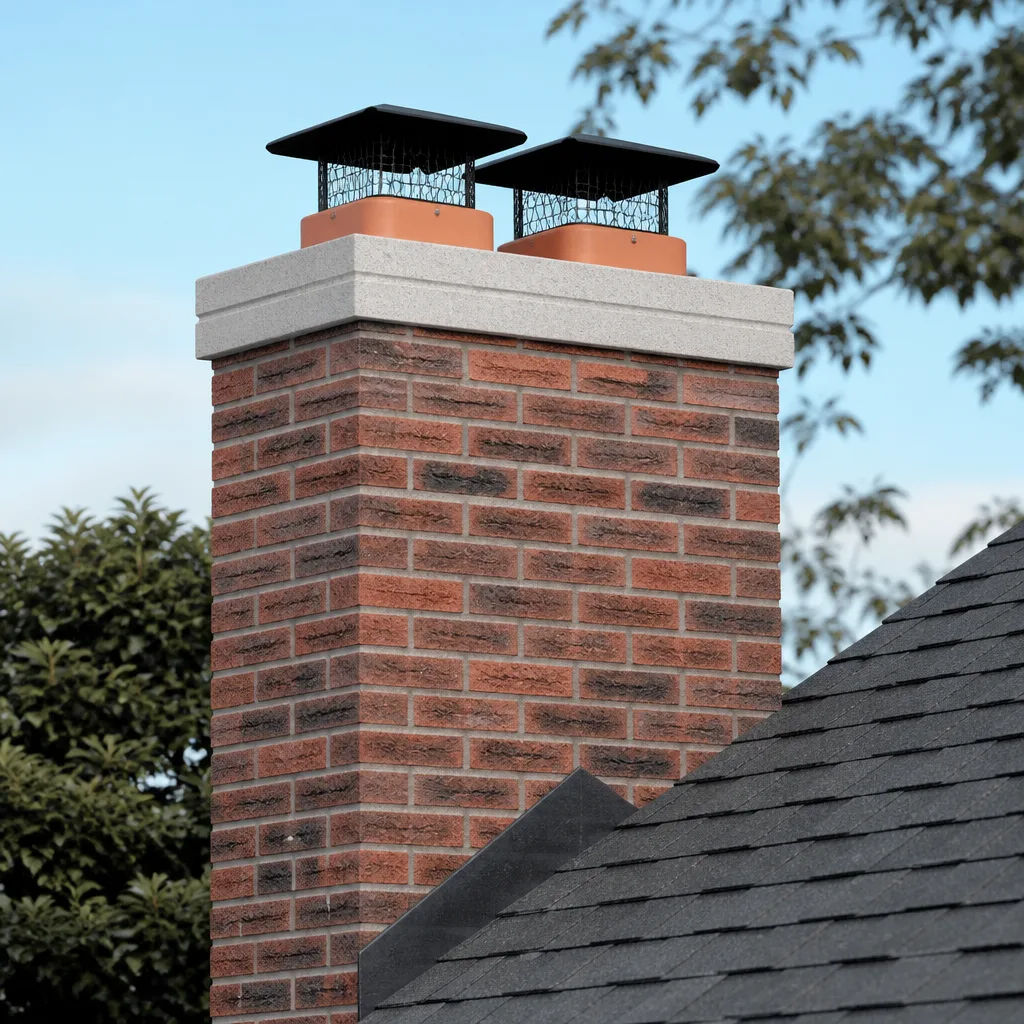
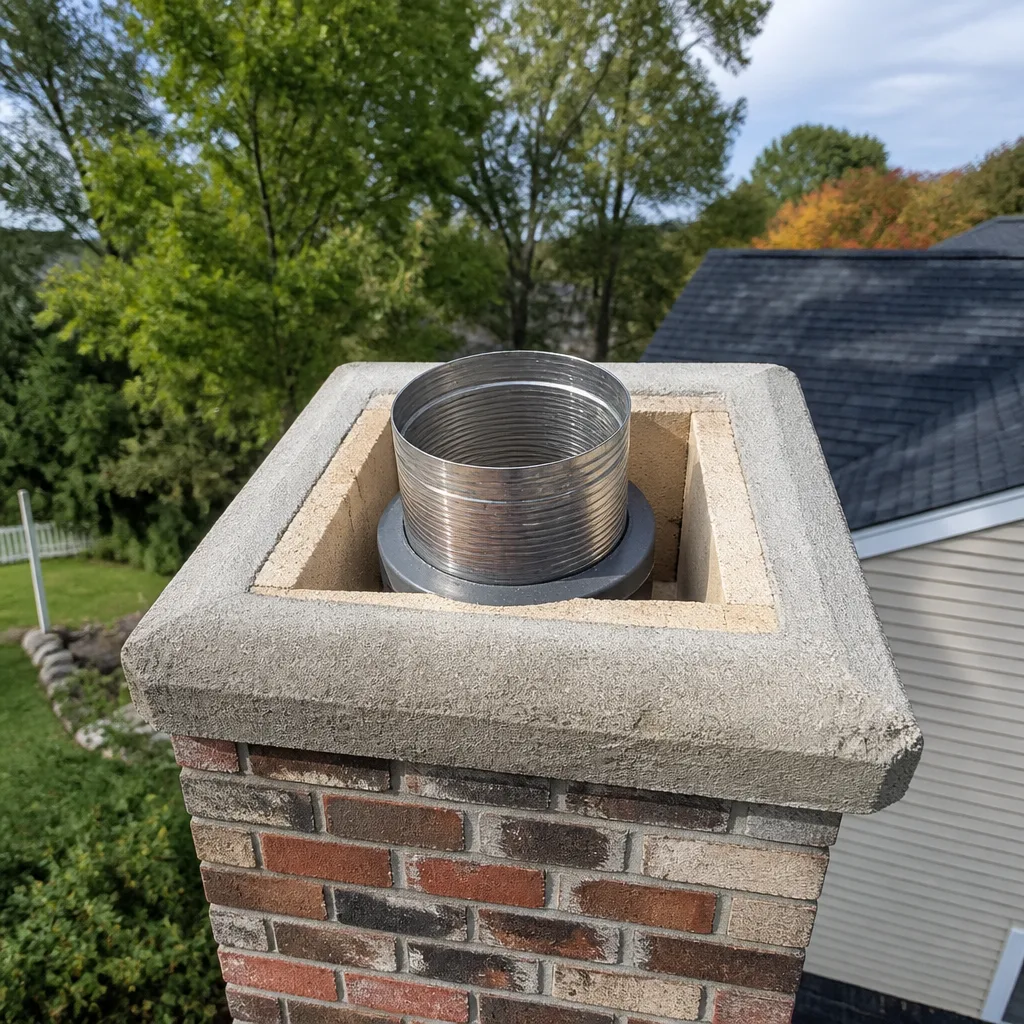
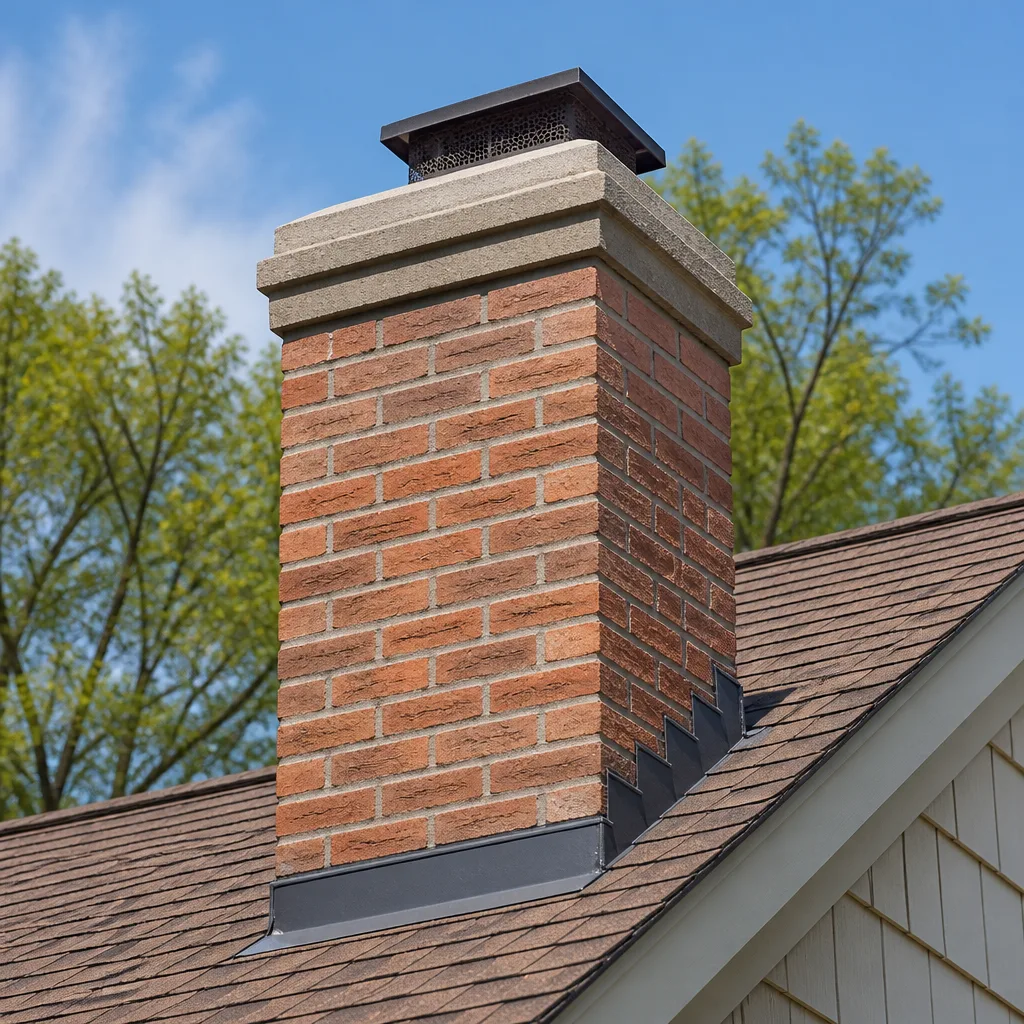
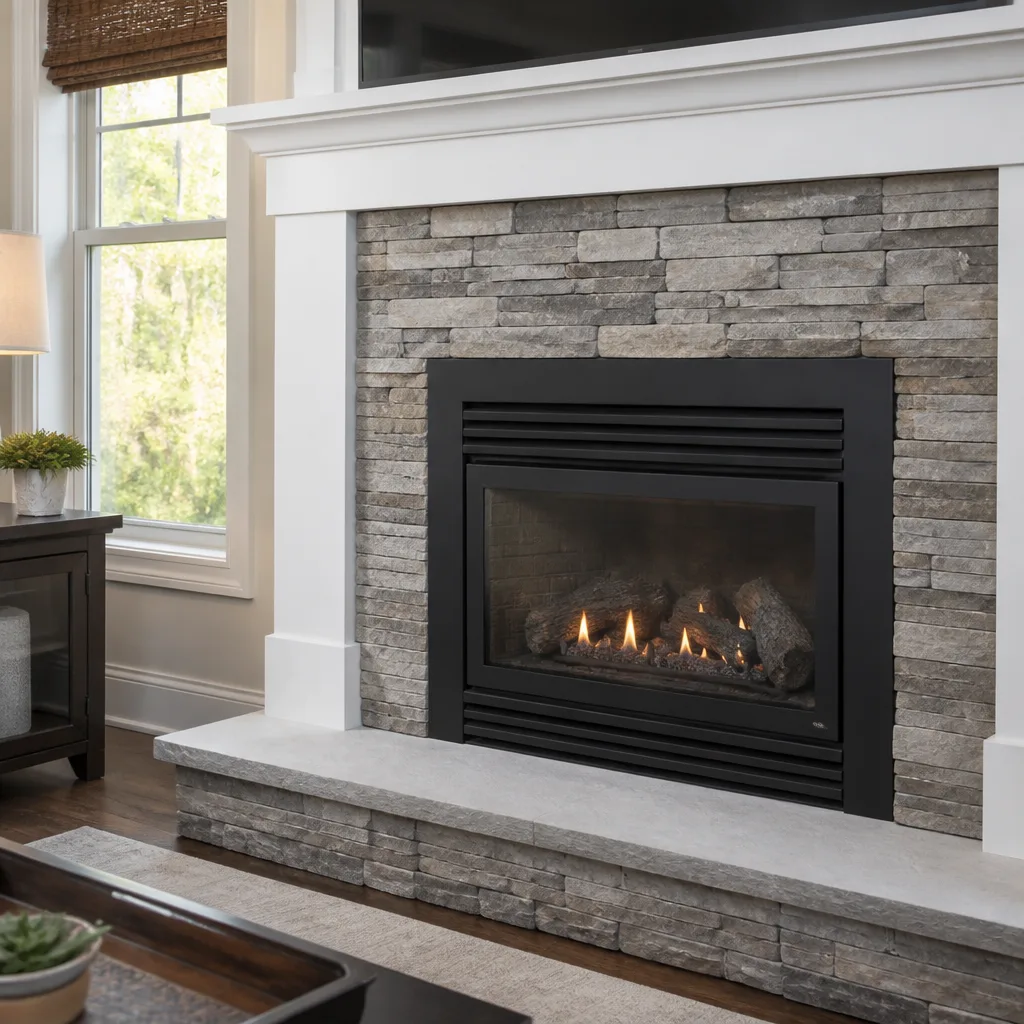
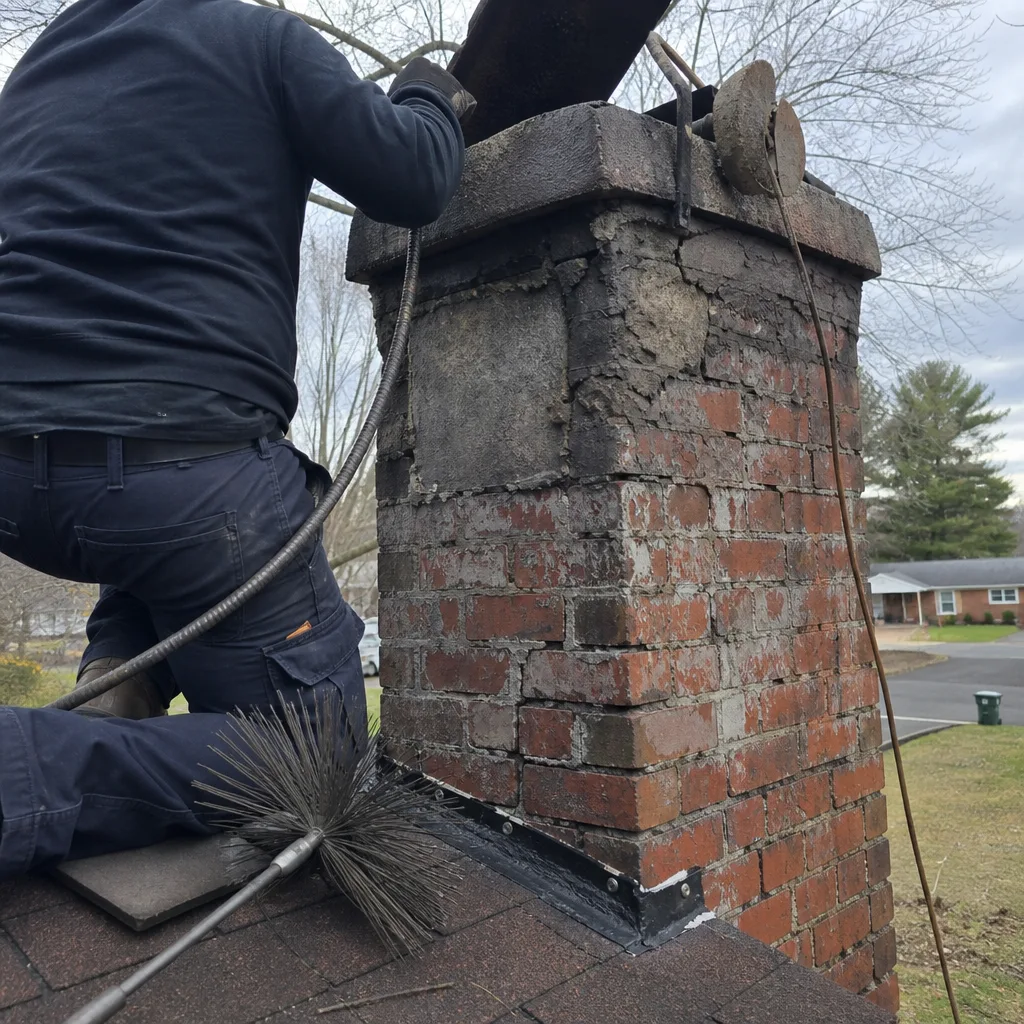 Before
 After
After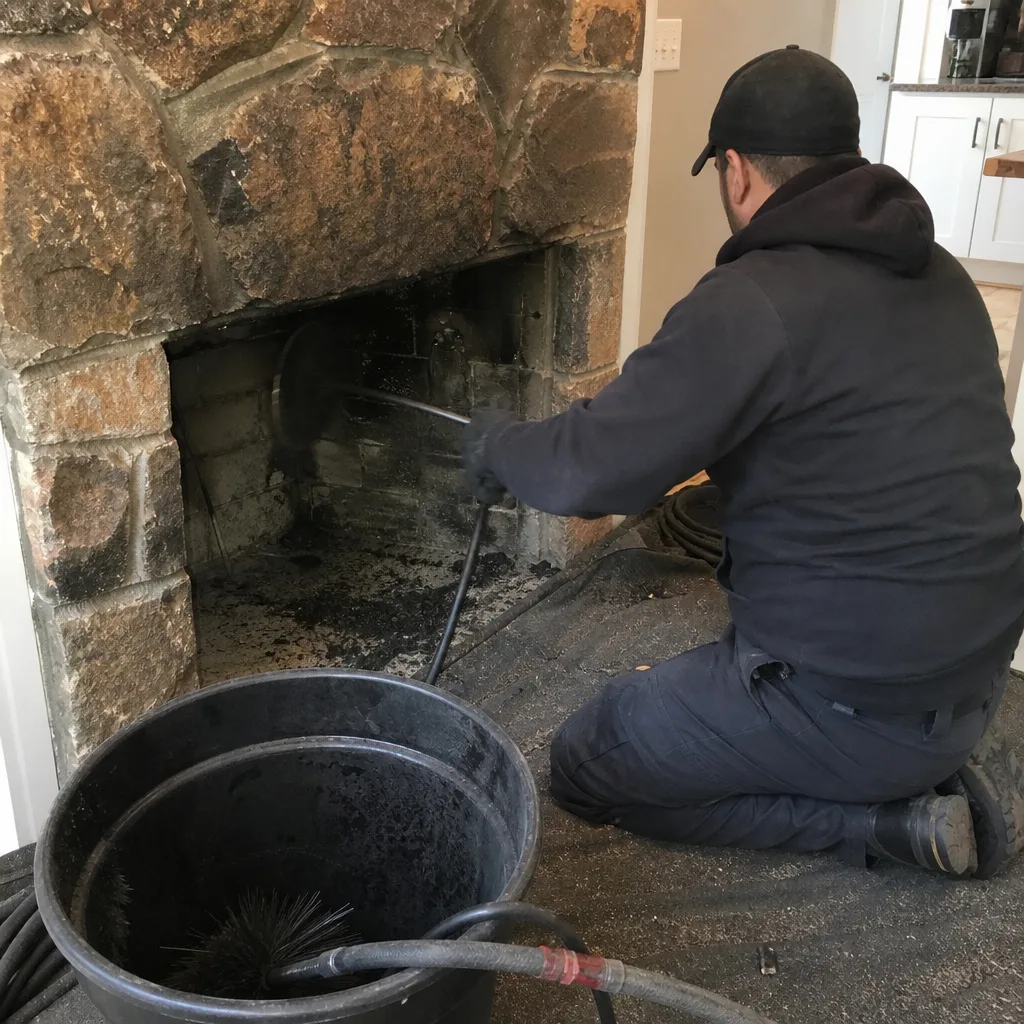 Before
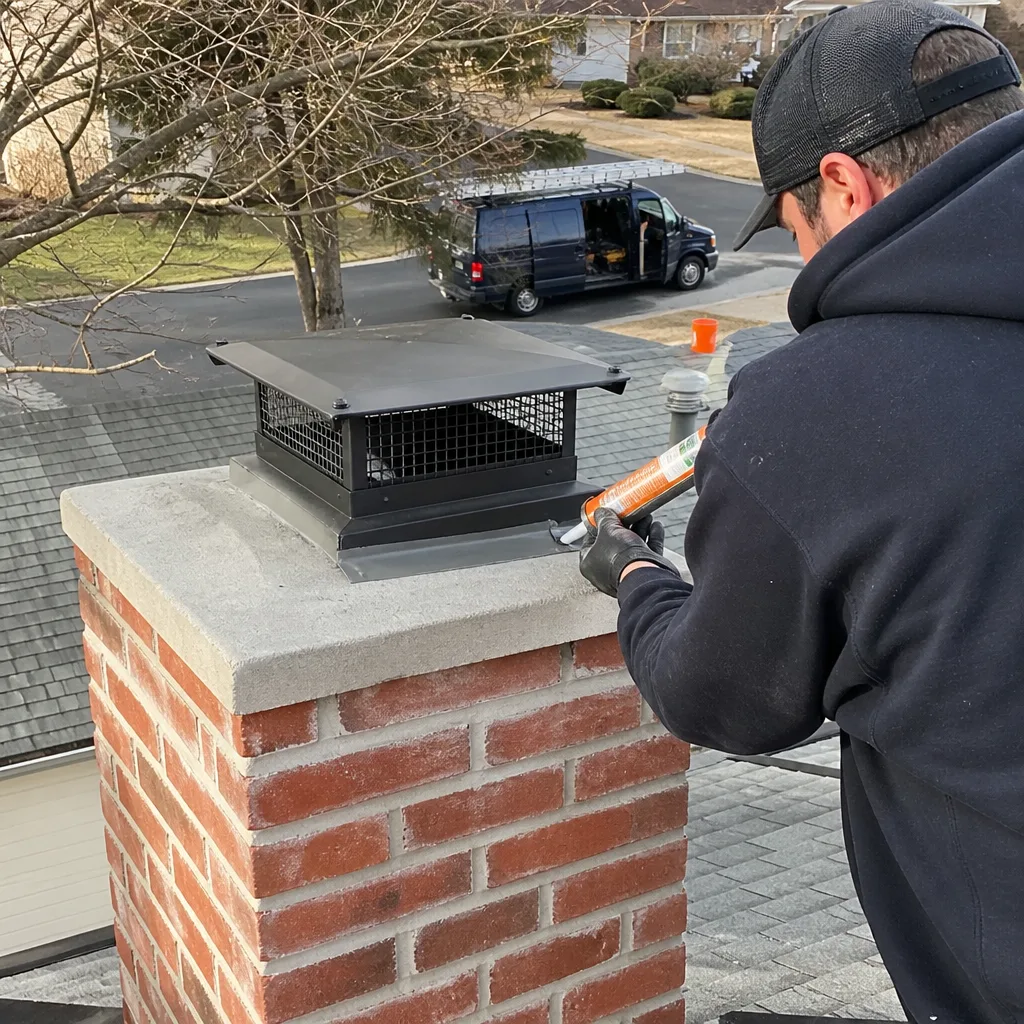 After
After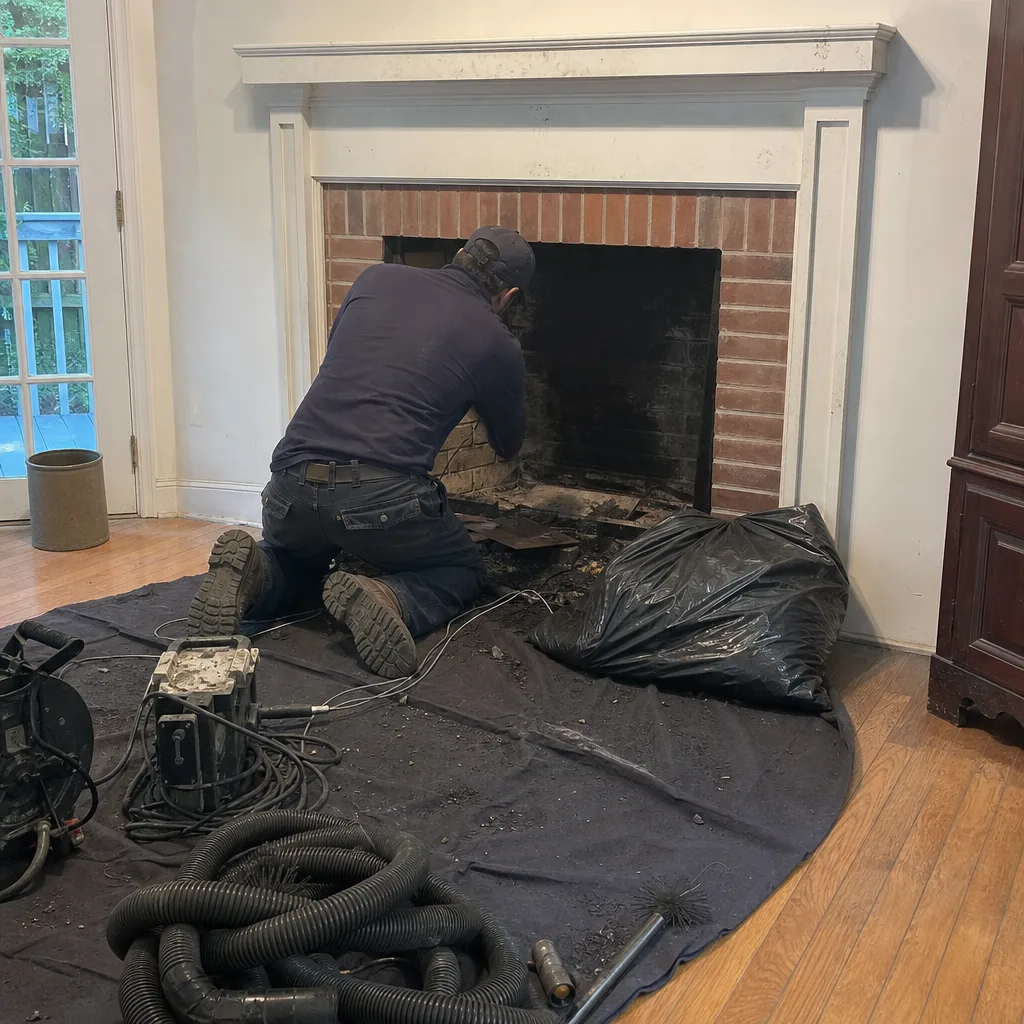 Before
 After
AfterCreosote Removal in Bridgewater, NJ
Creosote removal in Bridgewater, NJ typically costs between $250 and $600 depending on buildup stage and flue length, and most jobs are completed in a single visit by a uniformed Hearthstone technician. If your chimney has a noticeable tar smell, reduced draft, or a visible dark glaze on the flue walls, you likely have third-stage creosote that a standard brush sweep won’t touch. That’s when you need a dedicated removal service – not a quick Chimney Cleaning & Sweep, a proper treatment.
At Hearthstone Chimney Co., we’ve been handling creosote problems in Bridgewater and the surrounding Somerset County area since 1984. Russell Haines built this company on the idea that a chimney job should be done once and done right – which means we don’t skip the camera, we don’t guess at the stage of buildup, and we don’t hand you an invoice for work that didn’t solve the problem. Every creosote removal starts with a Level 2 Inspection so you can see exactly what we’re dealing with before we do anything else.
This service sits under our full Chimney Cleaning & Sweep in Bridgewater program – think of it as the heavy-duty option when annual sweeping isn’t enough. If you’d rather talk through what you’re seeing in your fireplace before booking, call us at (908) 589-8342. A live person answers every call, seven days a week.
Why Creosote Is a Different Problem Than Soot
Most homeowners think of Fireplace Cleaning as one thing. Soot, creosote, ash – it all looks like “dirty chimney” from the living room. But creosote and soot behave differently, and treating them the same way is one of the more common mistakes we correct for Bridgewater homeowners.
Soot is carbon powder. It sweeps out easily with a standard brush. Creosote is a byproduct of incomplete combustion – wood gases that cool before they fully burn and condense on the liner walls as a sticky, flammable residue. It comes in three stages, and each stage is a different problem:
- Stage 1 (Flaky, dusty deposits): This is what a routine annual sweep handles. Light, brushable, and not yet dangerous on its own – though leaving it untreated is how you get to Stage 2.
- Stage 2 (Tar-like, crunchy buildup): Stickier and denser than Stage 1. A standard chimney brush will loosen some of it, but rotary cleaning tools are usually needed to clear it properly. At this stage, the insulating effect of the buildup starts reducing draft noticeably.
- Stage 3 (Glazed, hardened creosote): This is the one that causes chimney fires. It looks like a shiny black or brown glaze coating the inside of the flue. It doesn’t brush off. It requires chemical treatments designed to change its structure, followed by mechanical removal. This is not a DIY project – the materials involved burn at temperatures that can crack a liner or ignite adjacent framing.
New Jersey’s climate plays into this more than most homeowners realize. In Bridgewater, we see a long shoulder season – cold nights in October and March when people are burning fires in fireplaces that haven’t fully warmed up from the summer off-season. Short, smoldering fires in a cold flue are exactly the conditions that accelerate Stage 2 and Stage 3 creosote formation. We see it consistently in older homes along the Raritan River corridor and in the wooded neighborhoods around Chimney Rock Road, where residents tend to burn a lot of locally sourced wood that hasn’t always been seasoned long enough.
When You Need Creosote Removal
- A strong tar or burning smell coming from your fireplace, even when it’s not in use. Stage 2 and Stage 3 creosote off-gas a sharp, acrid odor that becomes more noticeable on humid summer days. If you’re smelling your chimney in July, the buildup has likely been accumulating through multiple heating seasons.
- A black or dark brown glaze visible on the damper or lower flue walls. You don’t need a camera to see this one – if you look up with a flashlight and see a shiny, hard coating rather than dull gray residue, that’s glazed creosote. It doesn’t come off with a brush and it shouldn’t be left in place before your next fire.
- Reduced draft or smoke backing into the room. Heavy creosote deposits narrow the flue opening and disrupt airflow. If a fire that used to draw well now smokes into the room, restricted draft from buildup is one of the first things we check – especially in Bridgewater’s older Colonial and split-level homes with longer, offset flue runs.
- You burned green or unseasoned wood last season. Wet wood burns at lower temperatures and produces far more creosote than properly seasoned hardwood. One winter of burning wet wood from a recently cut tree is enough to create serious Stage 2 buildup in a flue that was clean the previous spring.
- It’s been more than two heating seasons since your last inspection. The National Fire Protection Association standard NFPA 211 recommends annual inspection and cleaning of chimney systems used regularly. In Bridgewater’s heating climate – we’re talking six solid months of fireplace use for many households – skipping even one season lets deposits accumulate faster than most people expect.
- You’ve had a chimney fire, even a small one. Glazed creosote can ignite at temperatures well above 1,000 degrees Fahrenheit. Even a chimney fire that seemed minor – a brief roaring sound, some sparks from the top – can cause liner damage and leave behind partially combusted residue that’s more porous and combustion-prone than the original buildup. This requires a camera inspection and full removal before the fireplace is used again.
Our Creosote Removal Process
We don’t have a one-size-fits-all approach because creosote doesn’t present the same way twice. The process we use depends on what the camera shows, and we don’t start work until you’ve seen the photos and heard a plain-English explanation of what we found. Here’s how a typical job runs:
- Level-2 Camera Inspection. Before we put a single brush in your flue, we run a camera from the firebox to the crown. This documents the stage of buildup, identifies any liner cracks or obstructions, and gives you a clear picture of what you’re actually dealing with. You see the same photos we see. The inspection drives the treatment plan.
- Fireplace and room protection. We lay drop cloths, seal the firebox opening, and set up HEPA-filtered vacuum equipment before any cleaning begins. Creosote dust is not something you want in your living room, and older Bridgewater homes with original hardwood floors and plaster walls don’t forgive careless setup.
- Chemical treatment for Stage 2 and Stage 3 deposits. For tar-like or glazed creosote, mechanical brushing alone won’t finish the job. We apply professional-grade chemical agents – products like those from the Copperfield lineup that are formulated to break down the molecular structure of glazed deposits and convert them into a friable ash that can be brushed and vacuumed out. We use these products as directed by manufacturer specification, not at arbitrary concentrations.
- Mechanical removal. Once the chemical treatment has done its work – timing depends on buildup thickness, but most Stage 2 jobs are cleared the same visit – we use rotary cleaning systems and professional brushes to remove the loosened deposits. For heavy Stage 3 cases, a second visit after the chemical treatment has had more time to work may be needed; we’ll tell you upfront if that’s likely.
- Post-removal camera review. We run the camera again after cleaning. This isn’t optional on our end – it’s how we confirm the flue is clear, check for any liner issues that were hidden under the buildup, and document the finished condition for your records. If the liner needs attention (cracking, gaps, or deteriorated mortar joints), we’ll show you exactly where and explain your options.
- Written summary and upfront invoice. Every job ends with a plain-English written summary of what we found, what we did, and what we recommend going forward. The number on the estimate is the number on the invoice – no line items that appeared after the job started.
All work is covered by Hearthstone’s 90-Day Done Right Promise. If the result isn’t what we said it would be, we come back and make it right – in writing, no arguing, no paperwork to fight through.
Creosote Removal Pricing in Bridgewater
Creosote removal in Bridgewater runs higher than a standard sweep because the materials, tools, and time involved are substantially different. Here’s what the numbers typically look like in our local market:
| Service | Typical Price Range | Notes |
|---|---|---|
| Stage 1 Creosote (standard sweep) | $149 – $229 | Brush and vacuum; included in routine annual cleaning |
| Stage 2 Creosote Removal | $250 – $425 | Rotary cleaning, possible chemical assist; usually single visit |
| Stage 3 (Glazed) Creosote Removal | $425 – $750+ | Chemical treatment + mechanical removal; second visit may apply for severe cases |
| Level-2 Camera Inspection (standalone) | $149 – $199 | Often credited toward removal cost if you proceed |
A few factors move the number up or down in practice: flue length (taller homes in Bridgewater’s hillside neighborhoods often have longer runs), the number of flue offsets, how long it’s been since the last cleaning, and whether the liner has damage that needs addressing at the same time. We give you the number before we start – not after.
If you’ve already gotten a written estimate from another company and want a second opinion, our free second opinion offer is there for exactly that situation. And if you qualify, our 5% Senior and Veteran discount applies to any job. If you’re scheduling before the heating season and want to bundle the inspection and removal with a full chimney tune-up, the $89 Seasonal Tune-Up is a straightforward starting point – call (908) 589-8342 and we’ll walk you through what makes sense for your specific situation.
FAQs – Creosote Removal
How do I know if I have Stage 3 creosote and not just regular soot?
Stage 3 creosote has a hard, shiny or wrinkled appearance – it often looks like black or dark brown tar that has dried and hardened into a glaze on the liner walls. Regular soot is dull gray or black and has a powdery or flaky texture. If you look into the firebox with a flashlight and see anything that looks reflective or varnished rather than dusty, that’s likely Stage 3 buildup. A camera inspection gives you a definitive answer – what you can see from the firebox is typically just the bottom few feet of a flue that may run 20 feet or more. Call us at (908) 589-8342 and we’ll tell you what we’re seeing before we quote you anything.
Can I use a creosote log to handle this myself?
Creosote logs – the kind sold at hardware stores – are designed to loosen minor Stage 1 and light Stage 2 deposits so they can be brushed out more easily during a sweep. They are not a replacement for professional removal and they do not address glazed Stage 3 creosote in any meaningful way. For heavy buildup, using a creosote log without a follow-up professional cleaning can actually create a problem: the loosened deposits fall down and accumulate at the smoke shelf and damper area rather than being removed. If you’ve used one recently, that’s worth mentioning when you call – it affects how we approach the job.
How long does a creosote removal appointment take in Bridgewater?
A Stage 2 removal on a standard single-flue fireplace typically runs two to three hours, including the Level 1 Inspection before and after. Stage 3 glazed creosote jobs may take three to four hours in a single visit if the buildup is moderate – or may require a return visit after the chemical treatment has had more time to work on very heavy deposits. We schedule with enough time to do the job properly; we don’t book three jobs in a day and rush each one. Most Bridgewater homes are single-visit jobs, and we’ll tell you at the time of inspection if yours is likely to be an exception.
Is creosote removal covered under the 90-Day Done Right Promise?
Yes. Every service Hearthstone Chimney Co. performs is backed by the 90-Day Done Right Promise – if the result isn’t what we said it would be, we come back and make it right. That’s in writing, no arguing, and no runaround. If after the job you’re still seeing draft issues, still smelling creosote, or have any concern about the work, you call the same number – (908) 589-8342 – and a live person answers. Russell Haines has run this company since 1984 on the premise that standing behind your work is not optional.
Serving Bridgewater and Somerset County
Hearthstone Chimney Co. serves Bridgewater from end to end – the older split-levels near the Bridgewater-Raritan school district, the woodsy lots off Milltown Road, the newer construction on the east side closer to Route 202, and everything in between. Somerset County’s heating season is real and long, and a lot of the chimneys we work on in Bridgewater were built in the 1960s through the 1980s – masonry systems that were constructed well but haven’t had consistent maintenance. Creosote accumulation in those flues tends to be substantial when we first inspect them, and most of those homeowners are relieved to have a documented baseline and a clean liner going forward.
If you’ve been burning wood for more than one season without an inspection, or if you bought a home in Bridgewater and don’t have a record of the chimney’s last cleaning, scheduling a Level-2 inspection is the straightforward first step. For everything related to routine annual service, visit our home page to see the full scope of what we do. For the full context of what creosote removal fits into, our Chimney Cleaning & Sweep in Bridgewater page covers the broader service in detail.
Call (908) 589-8342 to schedule. A live person answers every call, around the clock. Estimates are free, pricing is upfront, and the work is backed in writing.
Written by Russell Haines, Owner at Hearthstone Chimney Co., serving Bridgewater.