
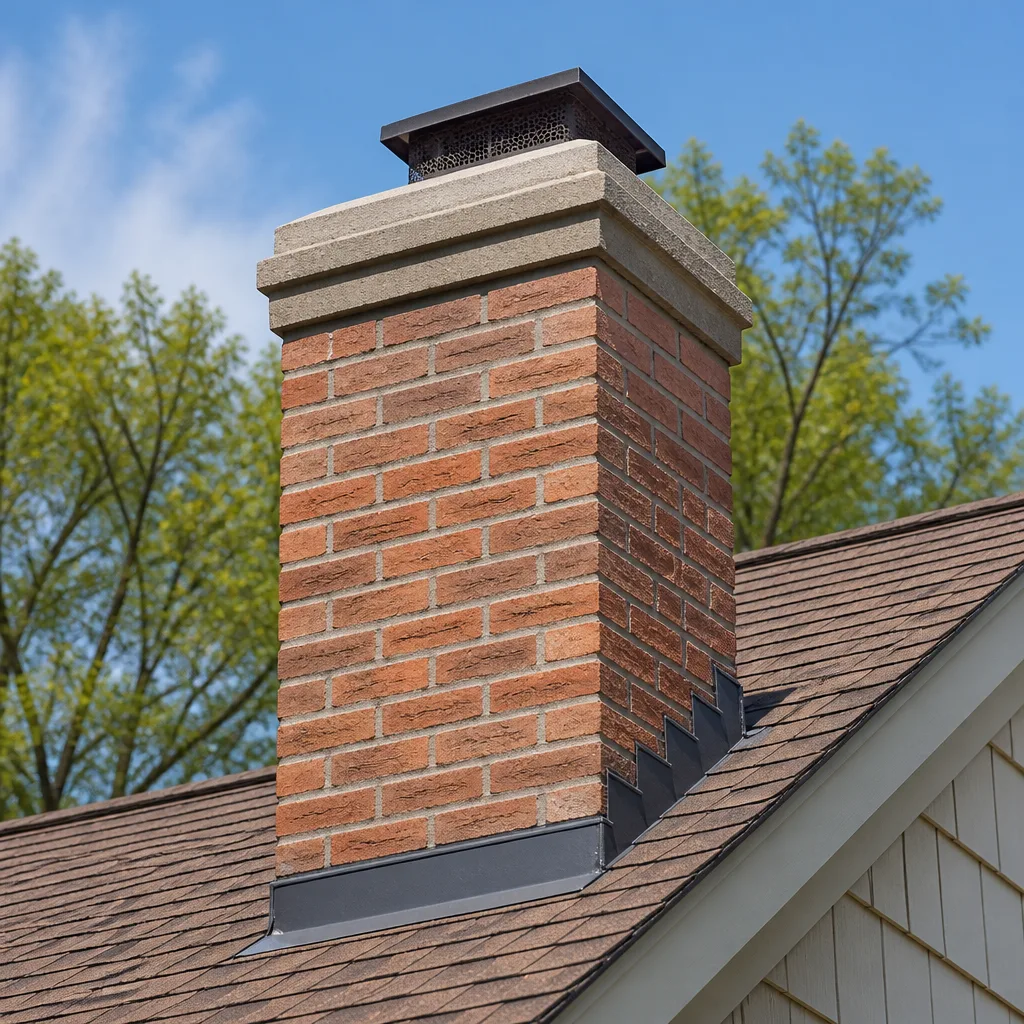
Level 1 sweep and inspection to the NFPA 211 annual standard - flue, crown, cap, and flashing checked and photographed
Chimney sweep logs do not sweep chimneys. They loosen some creosote - which then falls where a brush and vacuum still have to collect it.
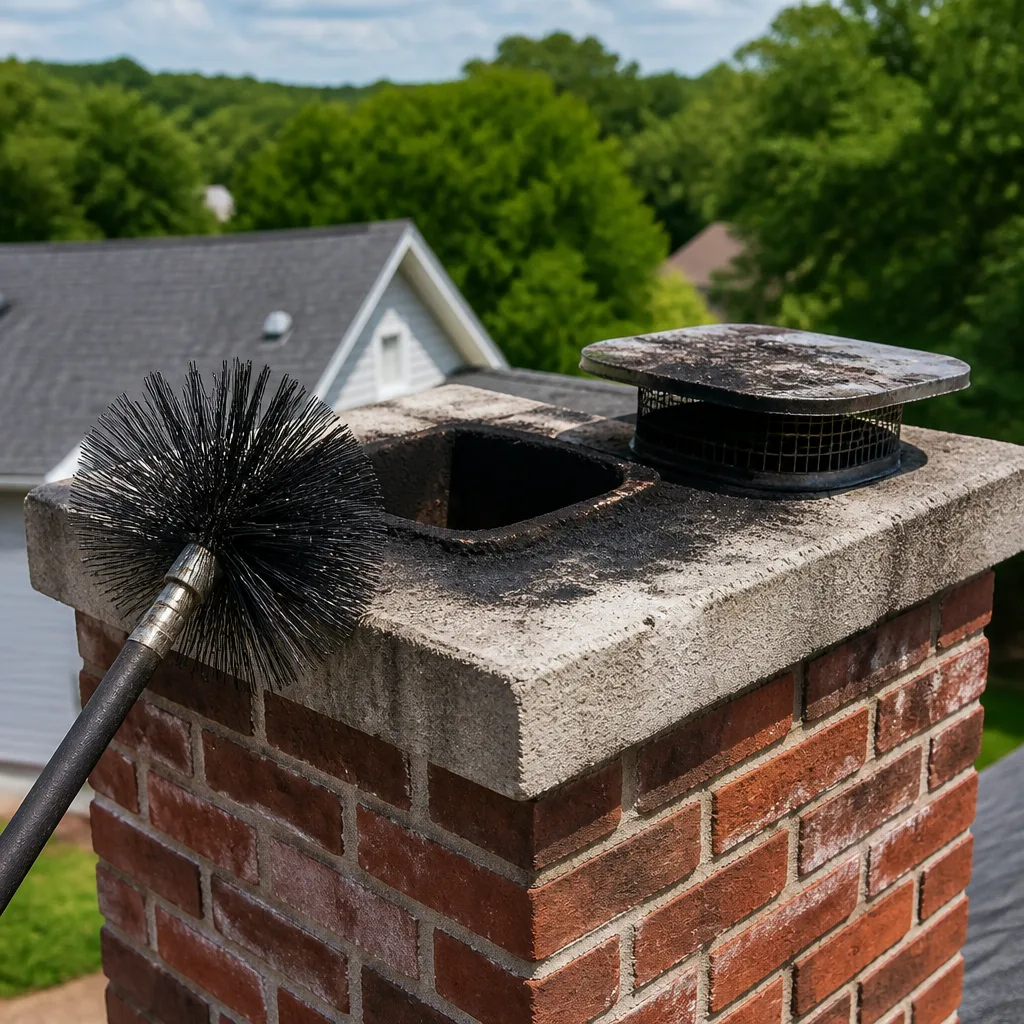
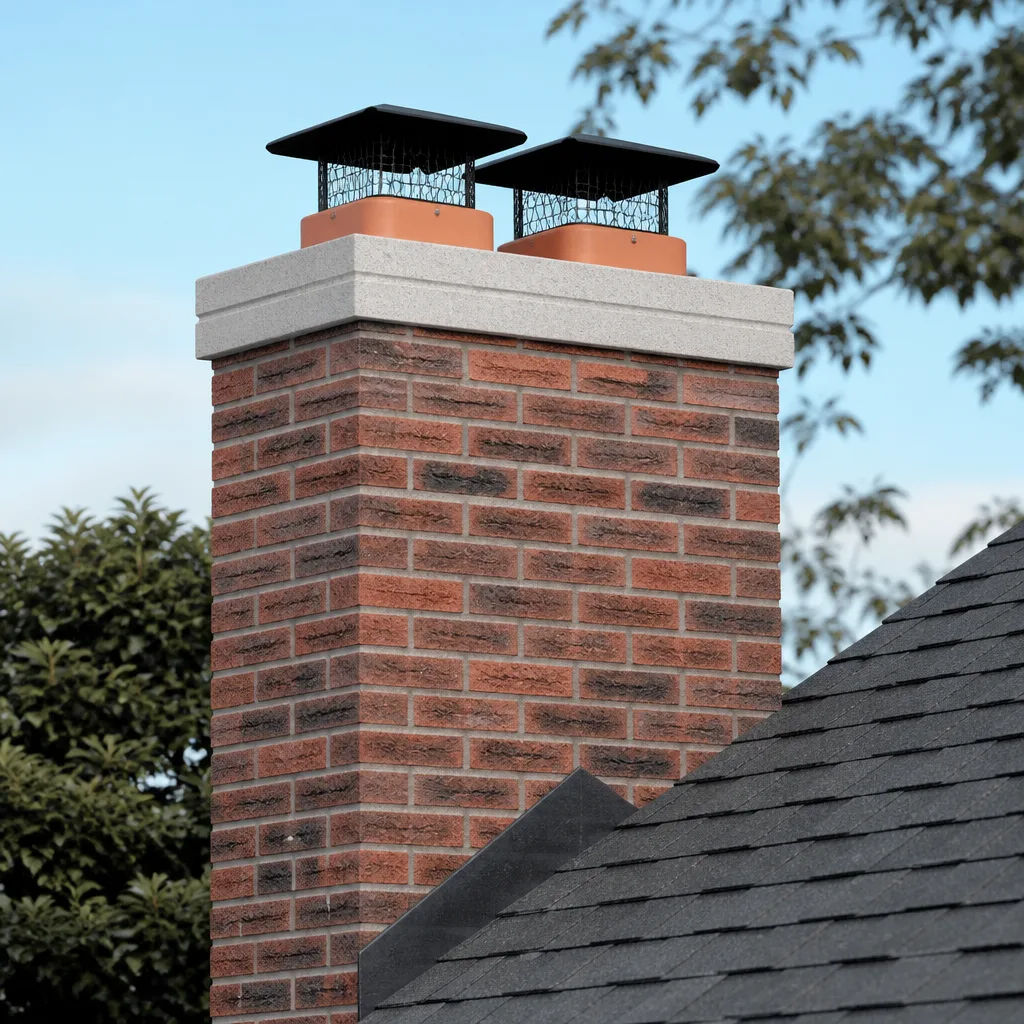
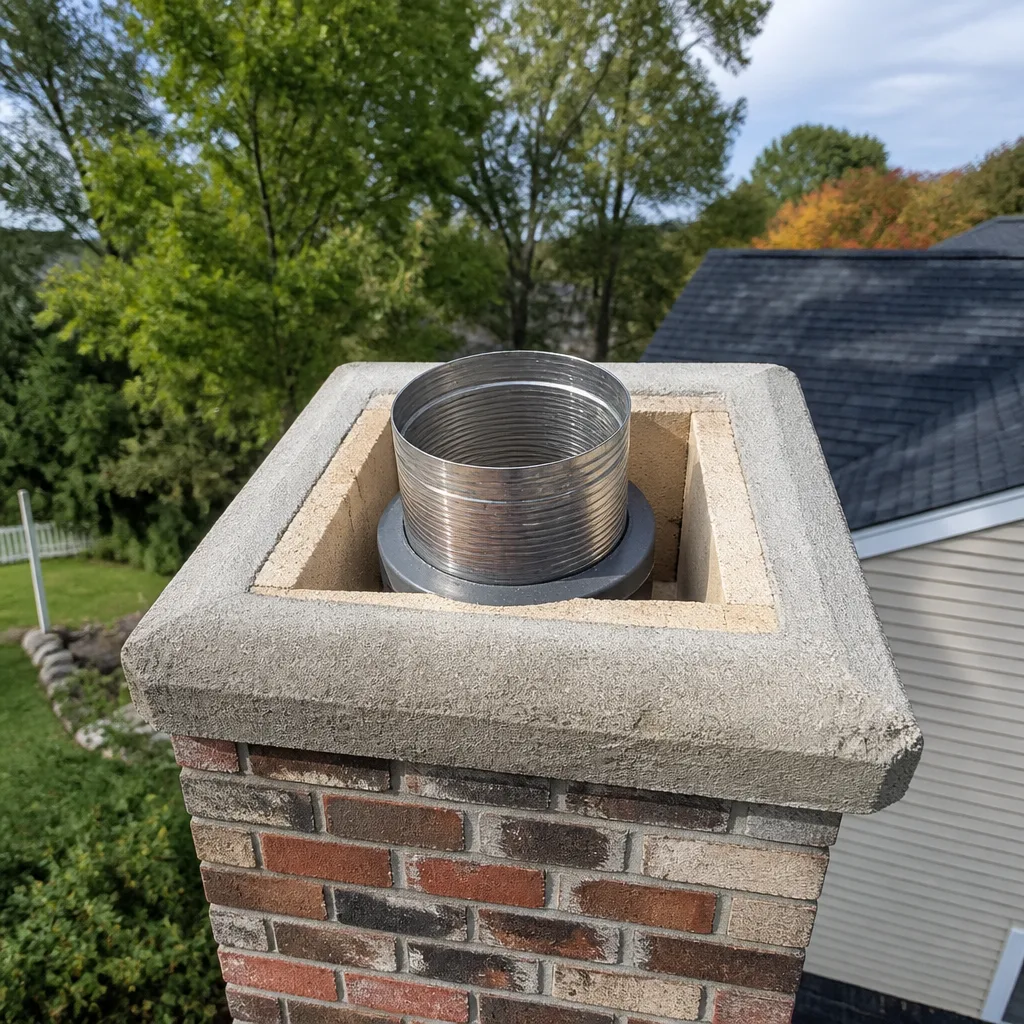
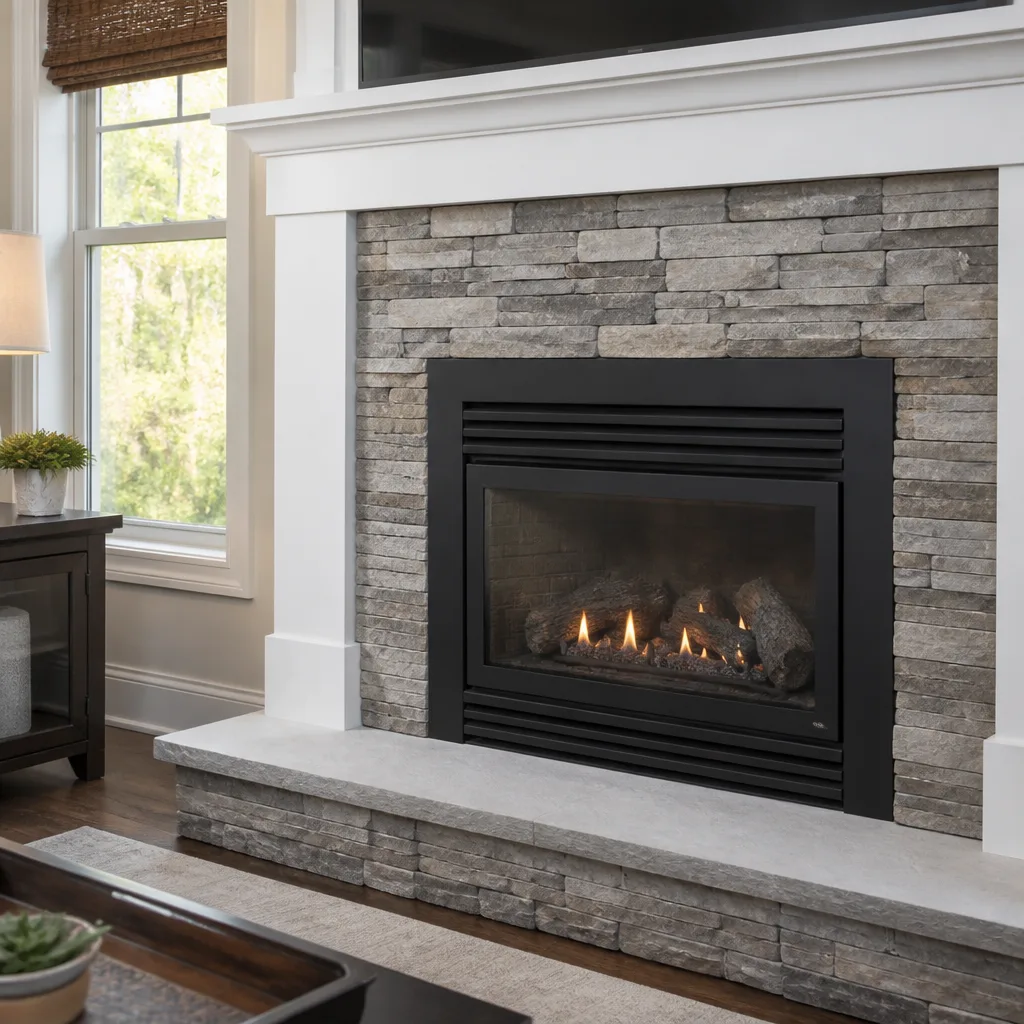
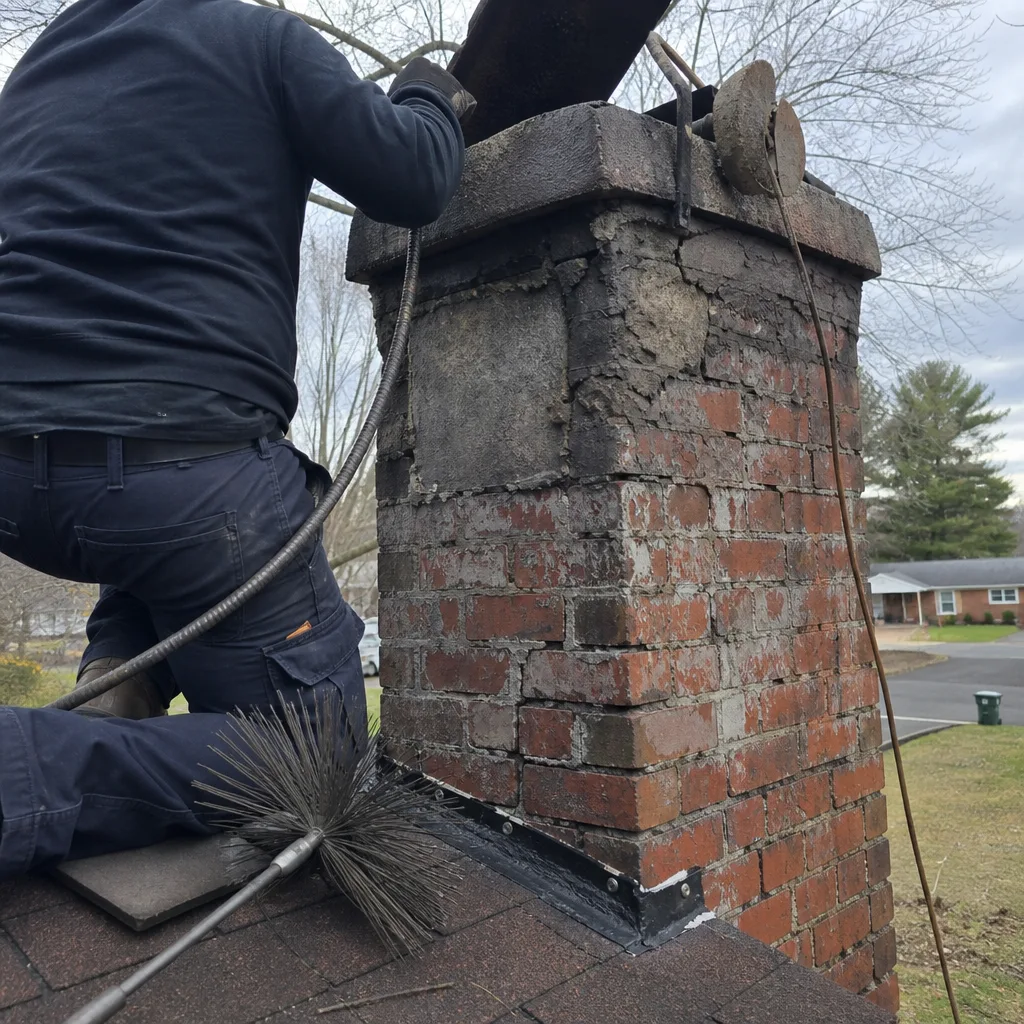 Before
 After
After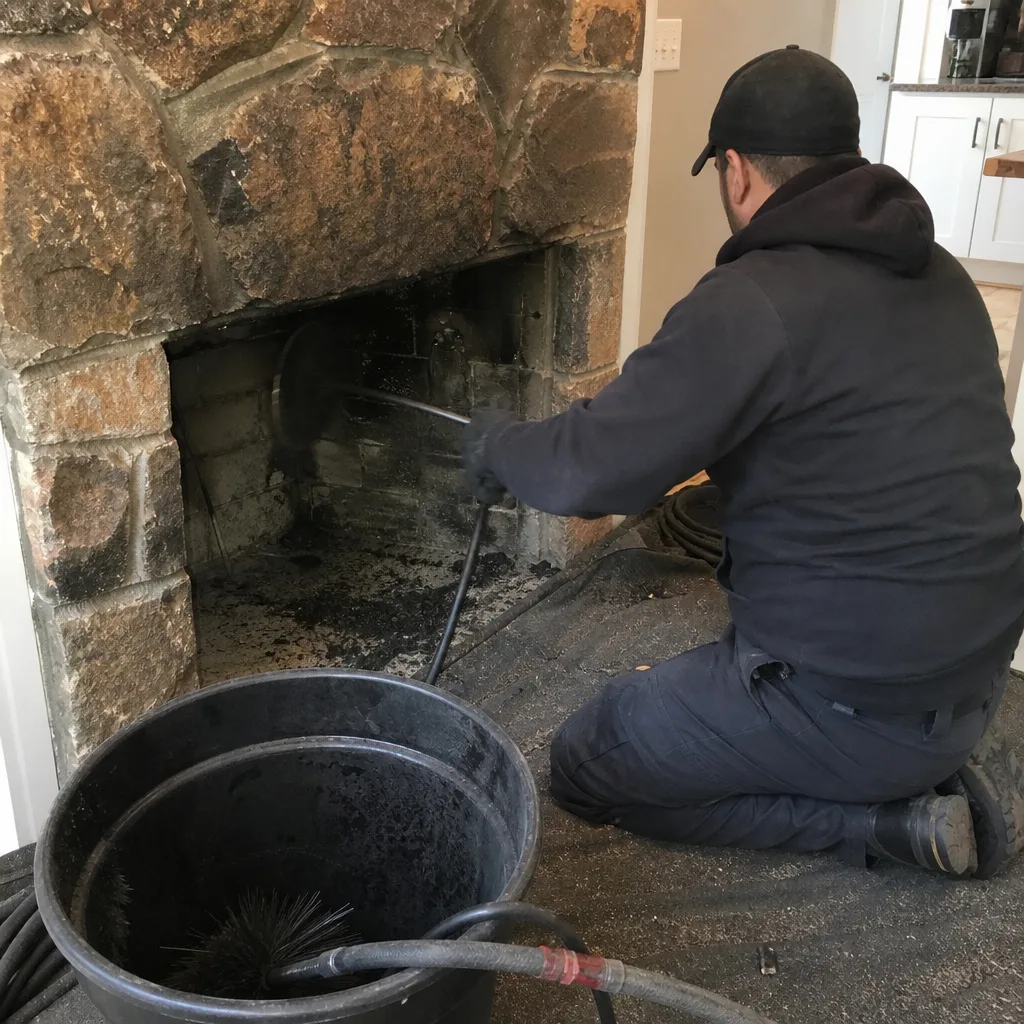 Before
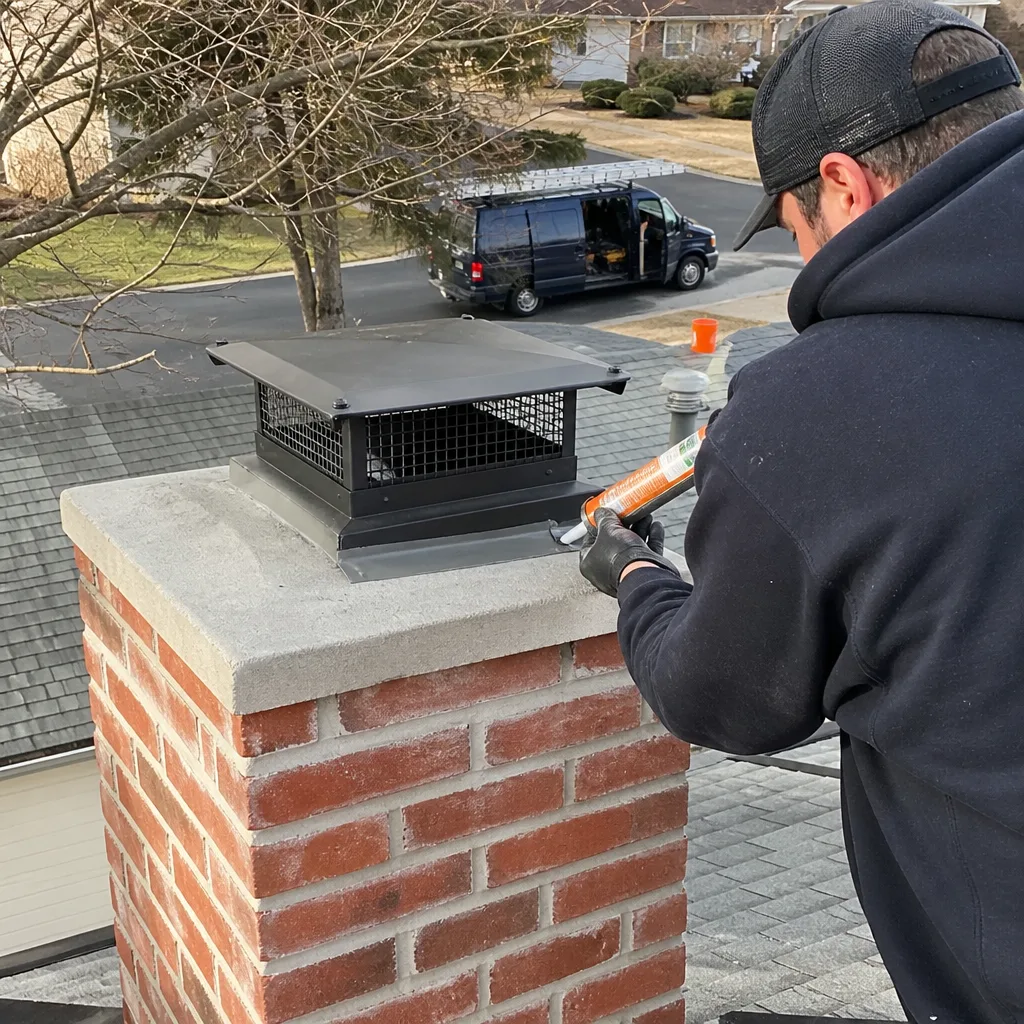 After
After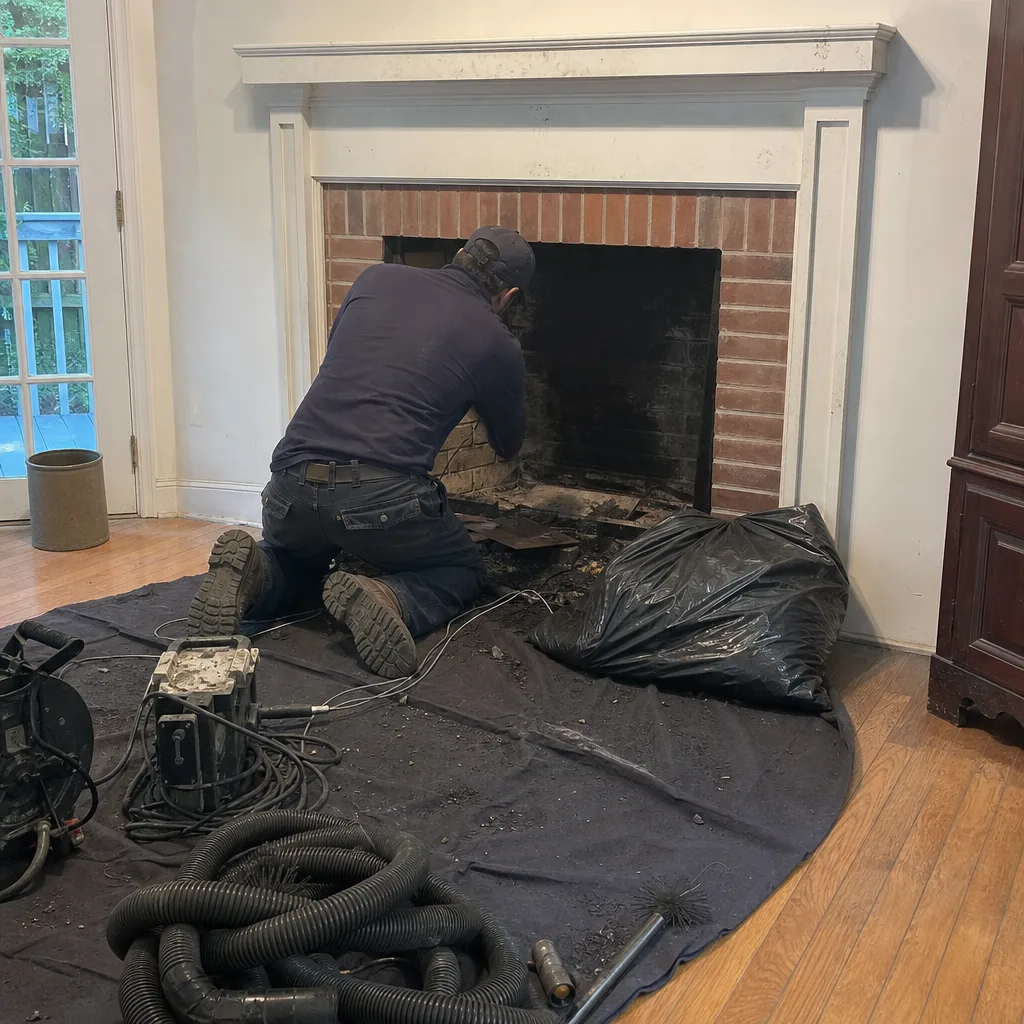 Before
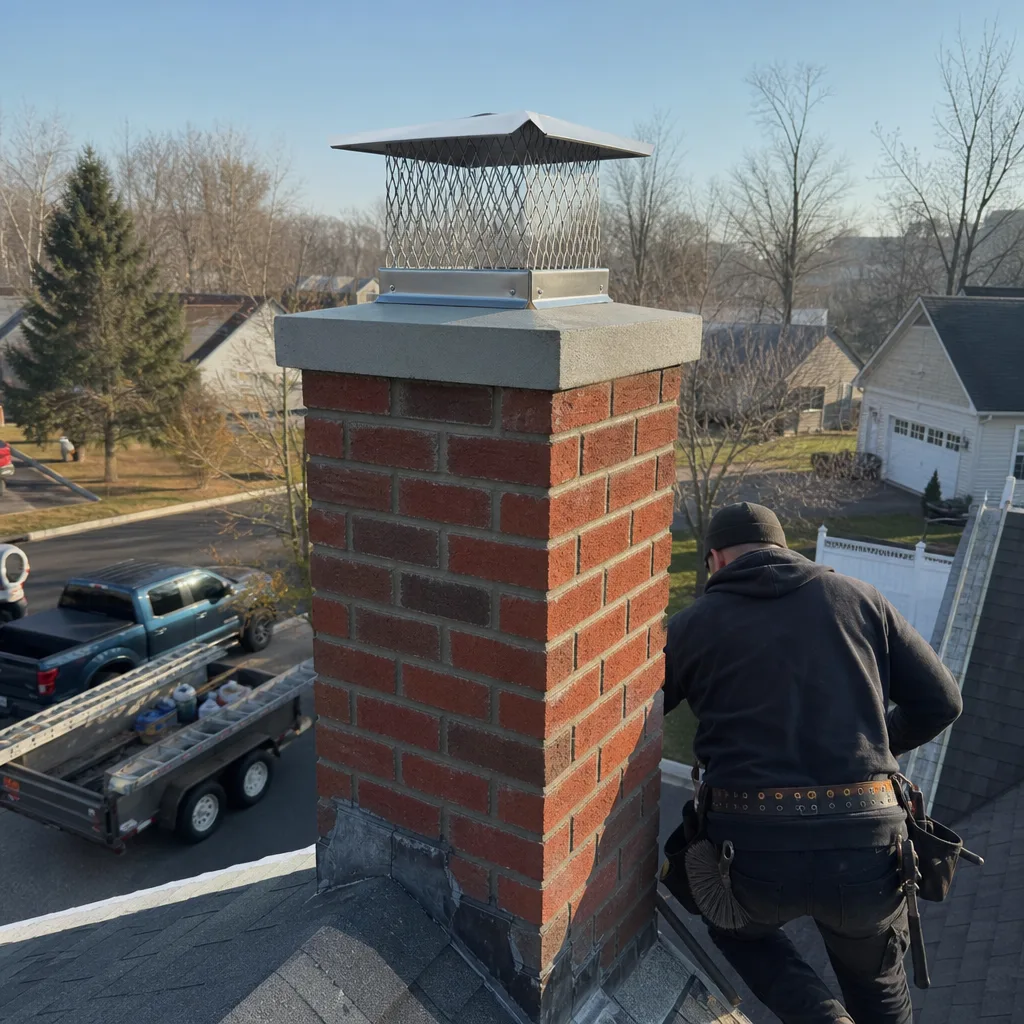 After
AfterSoot Removal in Bridgewater, NJ
Soot removal in Bridgewater, NJ typically runs between $150 and $350 for a standard fireplace, depending on buildup severity and flue size. Most jobs are completed in a single visit by a uniformed Hearthstone technician. If you’re seeing black staining, smelling smoke in the room, or haven’t had the flue cleaned in more than a year of regular use, soot accumulation is probably the reason.
Soot is the fine, carbon-rich residue that settles on flue walls, smoke shelves, fireplace interiors, and damper assemblies every time you burn wood. It looks harmless enough - a thin dark coating that comes with the territory of owning a fireplace. But left alone, soot doesn’t stay thin. It builds, it combines with moisture, and it turns acidic. That’s when it starts to eat into mortar joints and flue liner surfaces, and that’s when a straightforward cleaning becomes an expensive repair.
We’ve been doing this since 1984 in communities across Somerset County. Russell Haines built Hearthstone Chimney Co. on the idea that a fireplace job should be done once, done correctly, and documented so you know what you paid for. Soot removal is part of our broader Chimney Cleaning & Sweep in Bridgewater service, and it’s the foundation of every healthy fireplace season. Call us at (908) 589-8342 - a live person answers every hour of the day, every day of the week.
Why Soot Builds Up Faster in Bridgewater Homes
Bridgewater sits at an interesting intersection of old and new housing stock. Many of the homes in neighborhoods like Country Club Estates, Finderne, and along the Route 202 corridor were built in the 1960s through the 1980s, when fireplace design prioritized aesthetics over draft efficiency. Flues from that era tend to be oversized relative to the firebox opening, which sounds like it would help airflow – but it actually slows draft velocity, lets gases linger longer, and deposits more particulate on flue walls before the combustion byproducts exit.
Somerset County winters are damp. Cold snaps pull in moisture from the Raritan River corridor, and when that moisture meets a cool flue surface, condensation forms. Soot sticks to damp surfaces the way it never sticks to dry ones. Homeowners who burn during the shoulder seasons – early October, late March – are burning into a flue that hasn’t fully warmed up from disuse, and that creates heavy soot deposits near the smoke shelf and lower liner sections.
We see this pattern consistently in Bridgewater. It’s not a sign that something is broken. It’s just how these homes and this climate work together, and it’s why Annual Sweep service isn’t an upsell – it’s the maintenance schedule your chimney was designed to need.
When You Need Soot Removal
- Black or gray staining on the firebox walls or hearth surround. Surface soot that has migrated out of the flue and onto masonry or tile is a reliable sign that accumulation inside the flue has reached the point where it’s affecting draft.
- A persistent smoky smell in the house, even when the fireplace isn’t in use. Soot is porous and holds odor. When humidity rises in Bridgewater summers, that trapped odor releases into the living space. Cleaning removes the source rather than masking the symptom.
- Smoke rolling back into the room when you light a fire. Partial flue blockage from soot buildup is one of the most common causes of backdraft. Before assuming a structural problem, a thorough cleaning often resolves it entirely.
- It’s been more than twelve months since your last sweep, and you’ve burned regularly. The Chimney Safety Institute of America recommends annual inspections and cleaning for fireplaces in active use. In Bridgewater’s climate, we’d say that schedule is the minimum, not the ideal.
- You’re buying a home or moving into one where the fireplace history is unknown. A Level-2 camera inspection combined with soot removal tells you exactly what you have. We document everything with photos you can keep, and Russell Haines’ team gives you a plain-English verdict – no jargon, no guesswork.
- Visible glazed or shiny deposits inside the firebox or visible flue opening. Glossy black deposits indicate creosote rather than ordinary soot, and that requires specific removal techniques. We identify the deposit type before we start cleaning so the right method is used from the beginning.
Our Soot Removal Process
- Arrival and setup. Our uniformed, background-checked technician arrives within the agreed window. The work area is protected with drop cloths and a HEPA-filtered containment system before anything else happens. Your floors, furniture, and walls stay clean. This isn’t a courtesy, it’s standard procedure.
- Visual assessment and camera inspection. Before the brushes come out, we look at what we’re dealing with. For most soot removal calls in Bridgewater, we run a Level-2 camera inspection of the flue from smoke shelf to crown. You see the same footage we do. If there’s something other than routine soot – early-stage creosote, cracked liner tiles, deteriorating mortar joints – we tell you before we start, not after.
- Smoke shelf and firebox cleaning. The smoke shelf is where soot accumulates fastest and causes the most airflow disruption. We clean it thoroughly before moving to the flue. Loose soot, ash, and debris are removed from the firebox floor and walls using rotary brushes and vacuum extraction.
- Flue brushing and vacuuming. We work from the top down using chimney brushes matched to your flue’s diameter and liner type. Commercial-grade HEPA vacuum equipment captures particulate at the firebox end. The combination prevents soot from becoming airborne in your living space. For tile-lined flues common in older Bridgewater homes, brush pressure and speed are calibrated to clean without abrasion.
- Damper and throat inspection. Once the flue is clear, we inspect the damper assembly for soot deposits that restrict movement, look at the throat area for any structural concerns, and check that the damper seals correctly. A damper that doesn’t seal allows outside air in during off-season months, which accelerates the very moisture problem that creates heavy soot buildup.
- Final documentation and plain-English report. At job completion, you get the inspection photos, a written summary of what we found and what we did, and an honest assessment of anything we think warrants attention in the near future. There’s no pressure, no upsell tactics – just the facts on paper. All work is backed by our 90-Day Done Right Promise: if it’s not right, we come back, in writing, no arguing.
Soot Removal Pricing in Bridgewater
How Much Does Chimney Cleaning & Sweep Cost? (2026 Price Guide) - Bridgewater, NJ: soot removal runs $150-$350 for most standard single-fireplace cleanings. Here’s how that range breaks down:
| Service Scenario | Estimated Range |
|---|---|
| Light soot, single fireplace, standard flue height | $150 – $200 |
| Moderate buildup, standard fireplace, up to 20 ft. flue | $200 – $280 |
| Heavy soot or extended flue (above 20 ft.), includes Level-2 camera | $280 – $350 |
| Soot removal with damper cleaning and smoke shelf service | $230 – $320 |
| Second fireplace on same visit (add-on rate) | $75 – $120 |
What moves the number: flue height and liner type are the two biggest factors. Bridgewater homes with two-story Great Rooms often have taller-than-average flues that add time and require longer brush runs. Older homes with clay tile liners need a different approach than stainless steel liners, and tile liners tend to hold soot in the grout lines between sections – that takes additional passes. If we find early-stage creosote rather than ordinary soot, the method and material cost shift accordingly, and we’ll tell you that before we proceed.
Our pricing is upfront. The number on the estimate is the number on the invoice – period. There are no service charges that appear at the end, no material fees added on the spot. If we find something during the inspection that changes the scope of work, we stop and tell you what it is and what it costs before touching it.
Current standing offers: $50 off any repair over $250, and a permanent 5% discount for seniors and veterans. Call (908) 589-8342 for a free estimate – no commitment required.
What Happens If Soot Is Left Too Long
Soot is slightly acidic. Over time – typically one to three seasons of regular burning without cleaning – acid from soot combines with moisture in the flue to attack the mortar joints between clay tile sections. In Bridgewater’s freeze-thaw winter cycle, that degraded mortar allows water infiltration, and water in a masonry chimney is where repair costs begin to climb. What starts as a $200 cleaning job can become a $1,400 mortar repair or a flue relining project in the $2,500 to $4,500 range.
We’re not raising this to pressure anyone. We raise it because the homeowners we serve in Bridgewater – people who’ve been in their homes twenty years and intend to stay – are better served by the honest version of that math. Annual cleaning is cheaper than neglect, by a wide margin, every time.
For homes where soot accumulation has been ongoing for multiple seasons, we sometimes apply HeatShield resurfacing products after the cleaning phase to seal minor flue deterioration before it progresses. That’s a separate service, discussed separately, with its own estimate. We don’t bundle services without asking.
FAQs – Soot Removal in Bridgewater, NJ
How often should I have soot removed from my chimney in Bridgewater?
For a fireplace used regularly through the heating season – meaning a dozen or more fires per year – Chimney Cleaning & Sweep services on an annual schedule are the right interval. Bridgewater’s damp winter climate, particularly in low-lying areas near the Raritan and in neighborhoods like Finderne, accelerates soot-moisture interaction. If you burn more than twenty-five fires in a season, or if you burn green wood at any point, we’d recommend cleaning before the following season begins, not waiting until the next one ends. Call (908) 589-8342 to schedule – estimates are free.
Is soot removal dangerous, and should I try to do it myself?
Routine soot is not toxic in small incidental exposures, but disturbing heavy deposits without proper containment sends fine carbon particulate airborne, and that’s a respiratory concern. More practically, DIY cleaning without a HEPA vacuum system pushes soot into the room rather than capturing it. There’s also the matter of identifying what you’re actually cleaning – soot looks similar to early-stage creosote, but creosote requires different removal methods and carries real fire risk if mishandled. Our technicians are trained to distinguish between deposit types before starting. We’d leave soot removal to a professional for those reasons, not because it’s complicated, but because doing it wrong creates problems a second cleaning won’t fix.
How much does soot removal cost in Bridgewater, NJ?
Most Chimney Cleaning & Sweep Near Me in Bridgewater, NJ jobs run between $150 and $350 for a single fireplace, depending on flue height, deposit volume, and liner type. The estimate we give you before starting is the price you pay at the end – no exceptions. If the scope changes because we find something unexpected, we explain it and get your approval before proceeding. Call (908) 589-8342 for a free estimate.
Can soot removal fix the smoky smell coming from my fireplace in summer?
In most cases, yes. Soot holds odor, and when Bridgewater’s summer humidity rises, that stored odor releases into the living space even when the fireplace hasn’t been used in months. Thorough soot removal eliminates the source. If the odor persists after cleaning, the next step is a damper seal inspection – a leaking damper allows humid outdoor air to pull the smell down into the house – but that’s a secondary issue we can assess at the same visit. A clean flue with a properly sealing damper eliminates the smell in the overwhelming majority of cases we’ve seen across forty-plus years of Bridgewater service.
Hearthstone Chimney Co. - Bridgewater’s Soot Removal Specialists
Russell Haines started Hearthstone Chimney Co. in 1984, and the company has been doing chimney work the same way ever since: show up on time, do the job correctly, document it, and stand behind it in writing. Forty-two years of that approach has produced a business that answers the phone at 2 a.m. with a live person and covers every job with the 90-Day Done Right Promise – because a company that plans to be in Bridgewater for the next forty years doesn’t cut corners on year one.
Our technicians are uniformed, background-checked, and carry professional-grade equipment including Olympia Chimney-compatible brush systems and commercial HEPA vacuum rigs. When liner work follows a soot removal job, we use DuraFlex and Gelco materials – not builder-grade substitutes. The whole operation is set up to serve homeowners who want the job done right the first time, every time.
As part of our complete home chimney care approach, soot removal connects directly to the long-term condition of your fireplace, liner, and masonry. It’s the one maintenance step that costs the least and prevents the most.
Call (908) 589-8342 to schedule soot removal in Bridgewater. A live person will answer. Estimates are free, and our 5% senior and veteran discount applies to every job.
Written by Russell Haines, Owner at Hearthstone Chimney Co., serving Bridgewater.