
Last updated September 10, 2026
Level 1 sweep and inspection to the NFPA 211 annual standard - flue, crown, cap, and flashing checked and photographed
Chimney sweep logs do not sweep chimneys. They loosen some creosote - which then falls where a brush and vacuum still have to collect it.
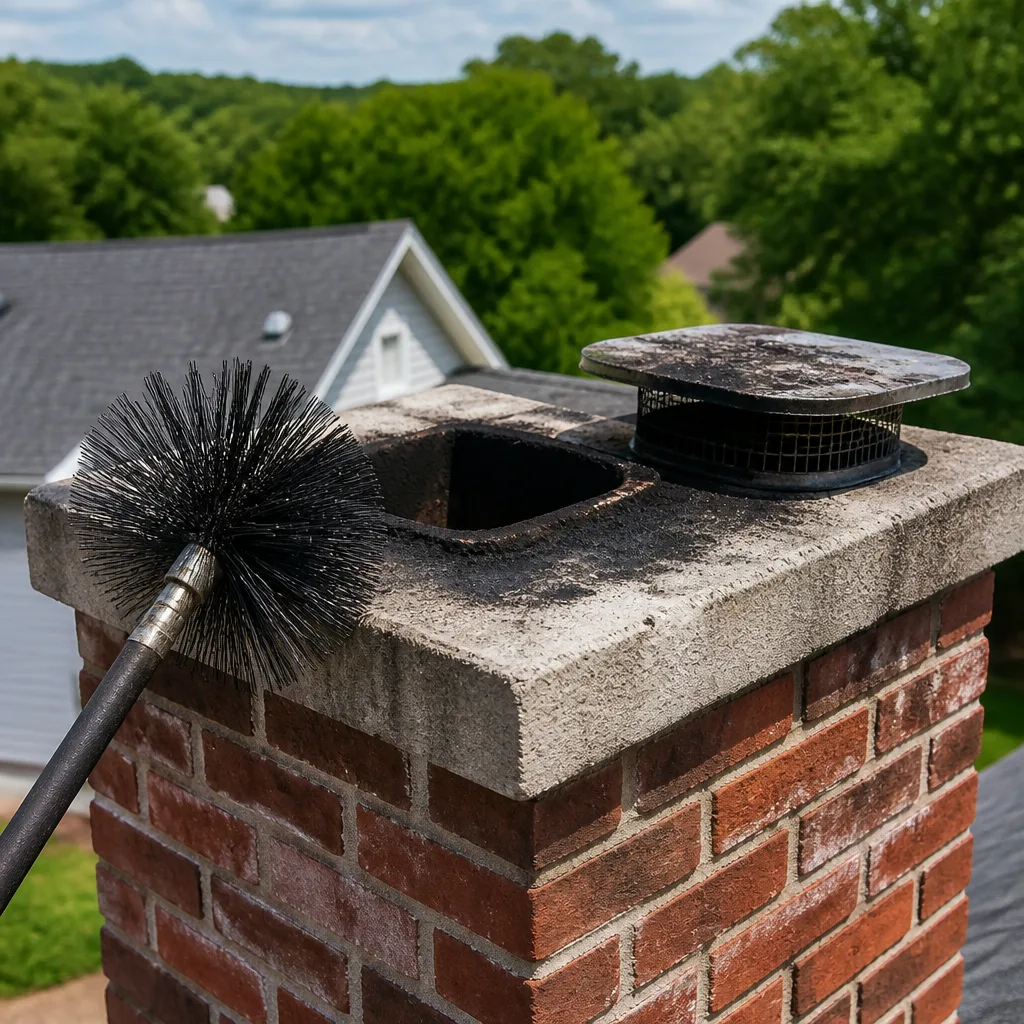
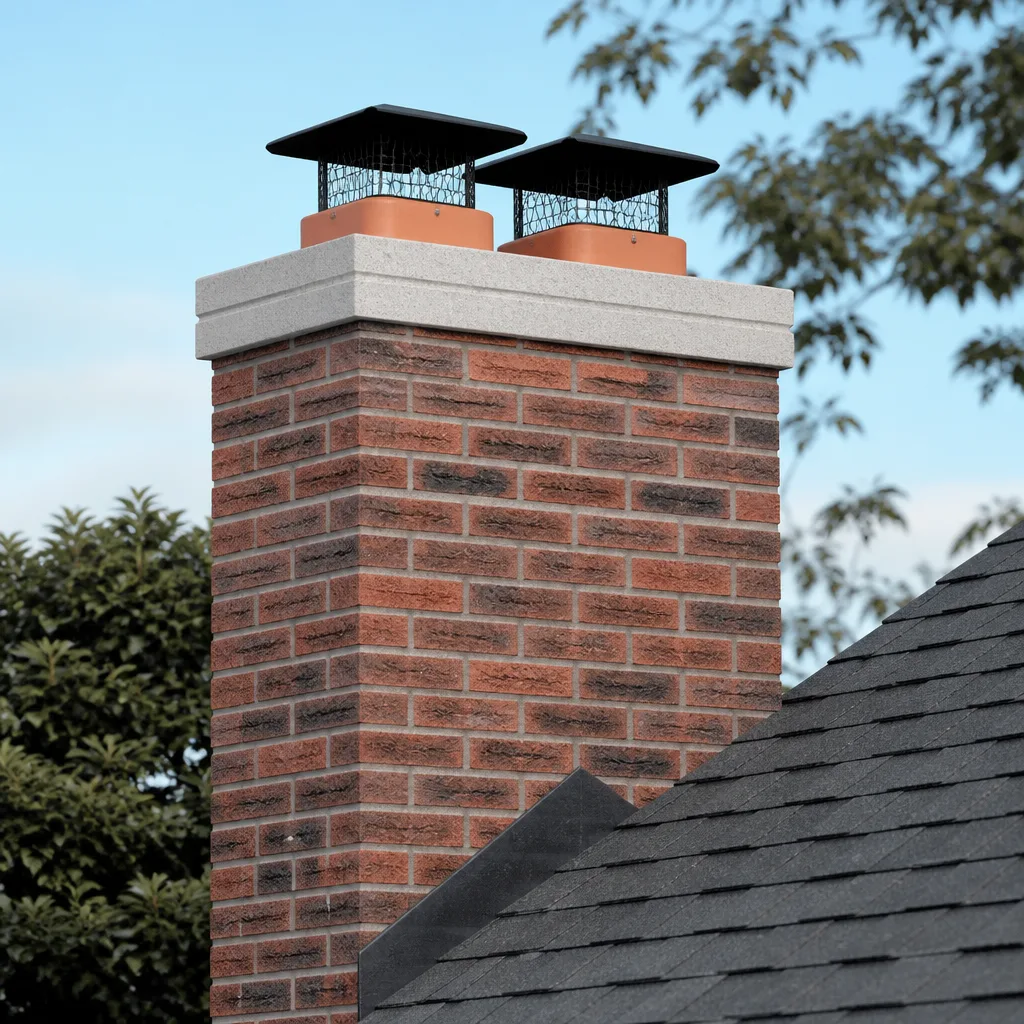
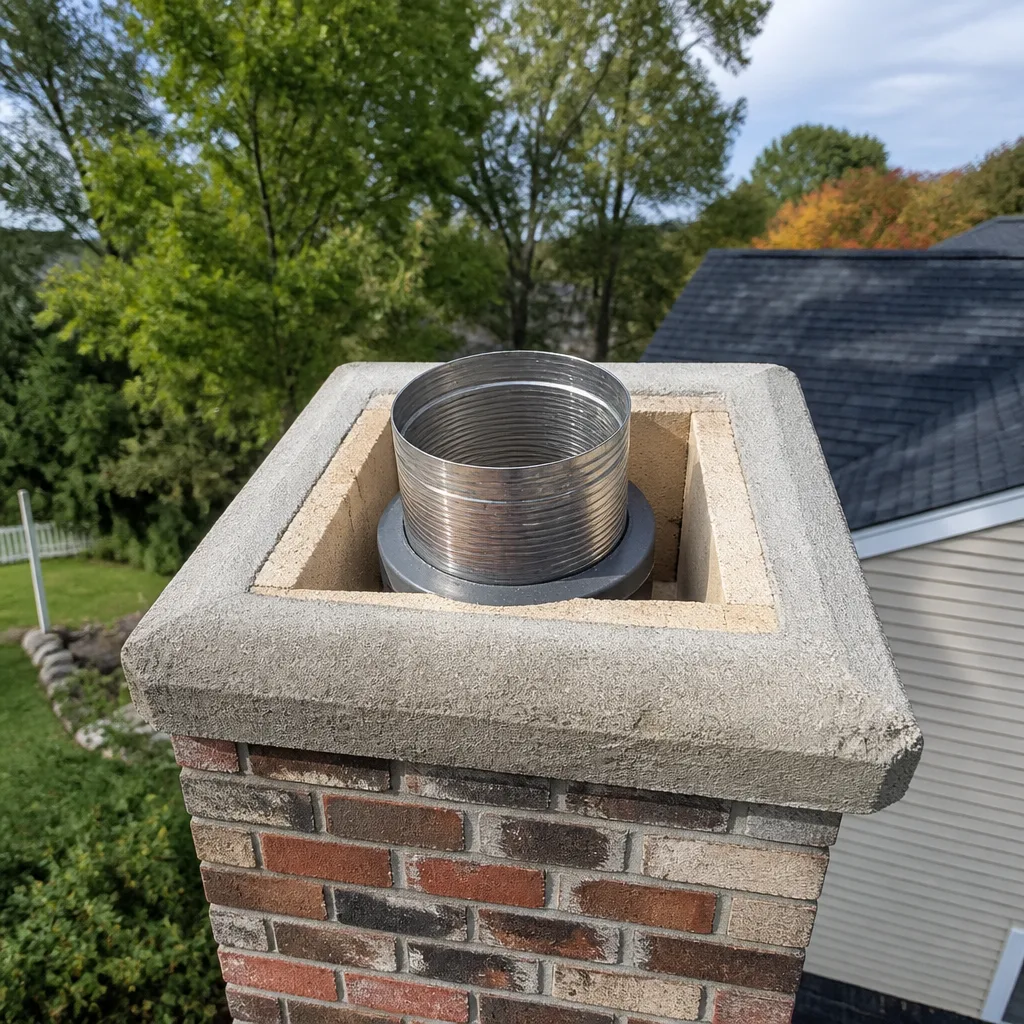
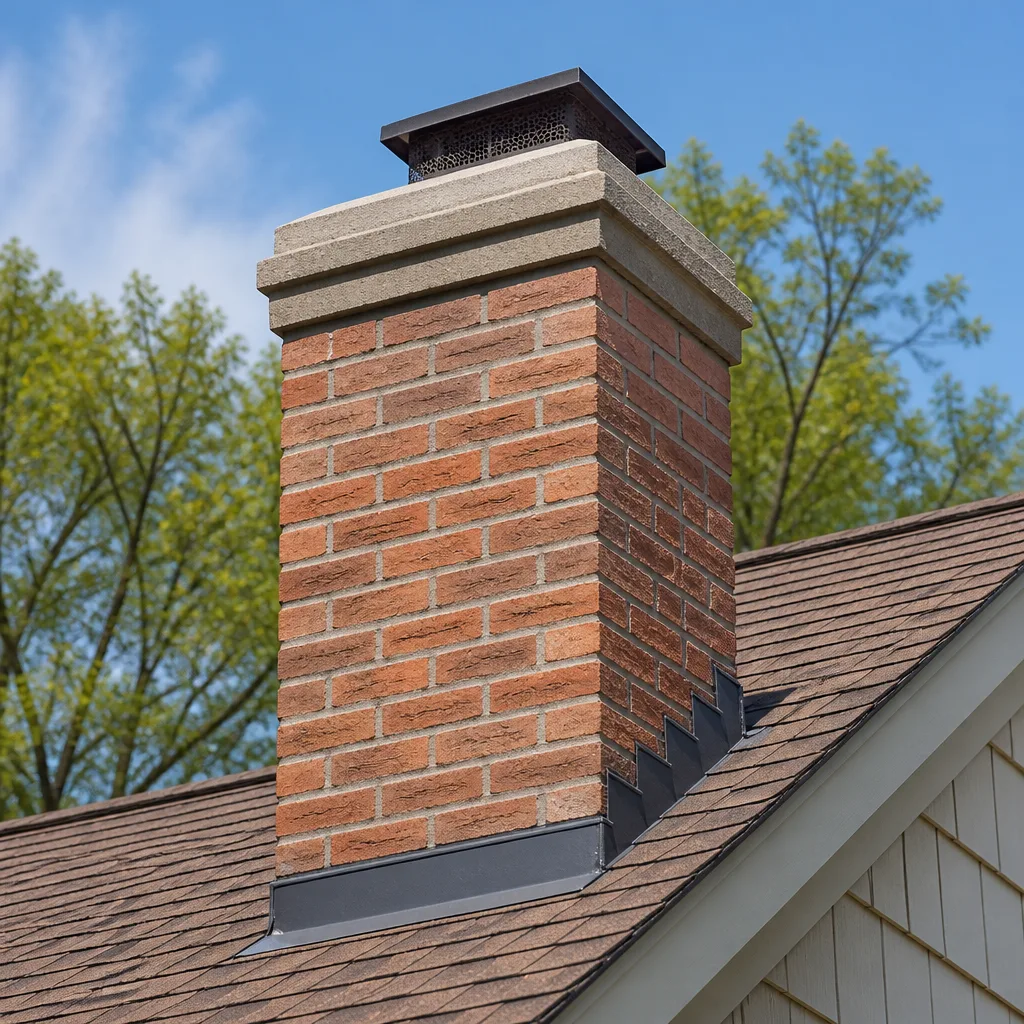
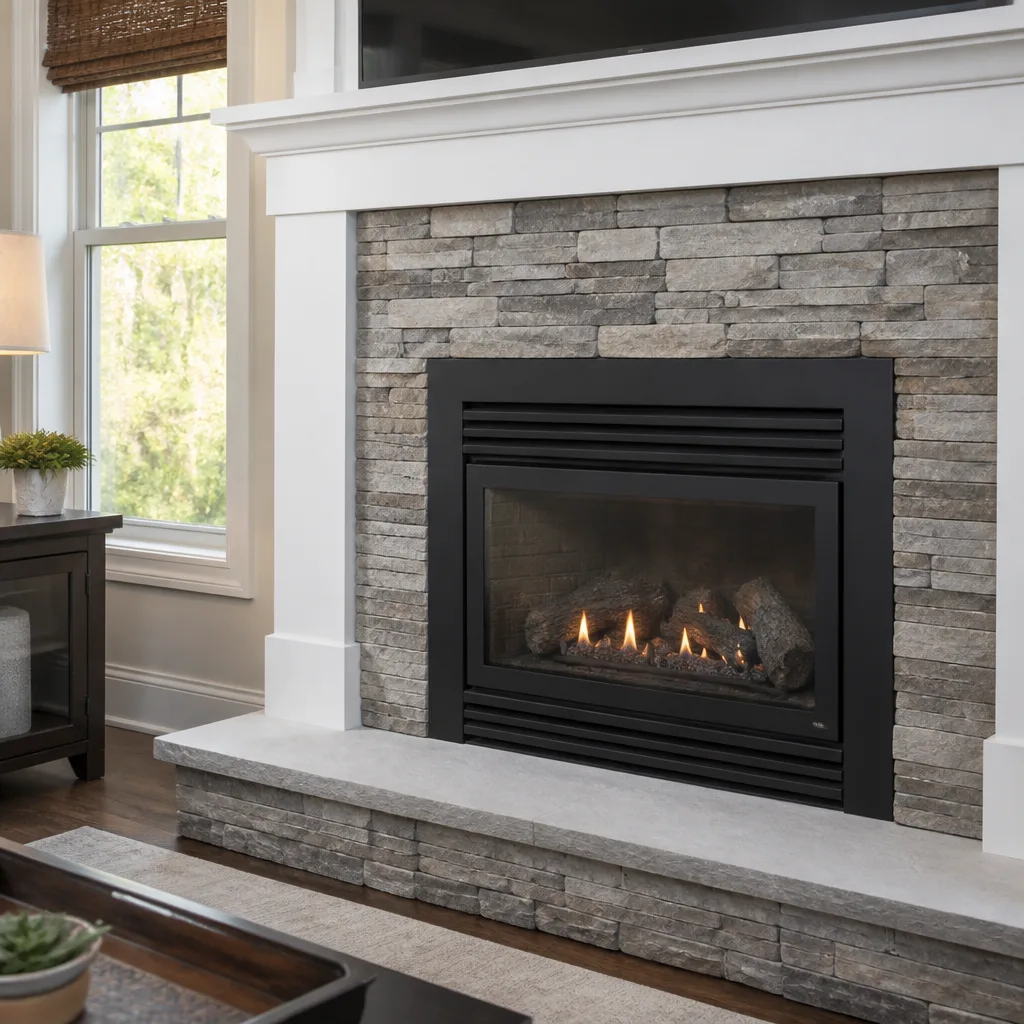
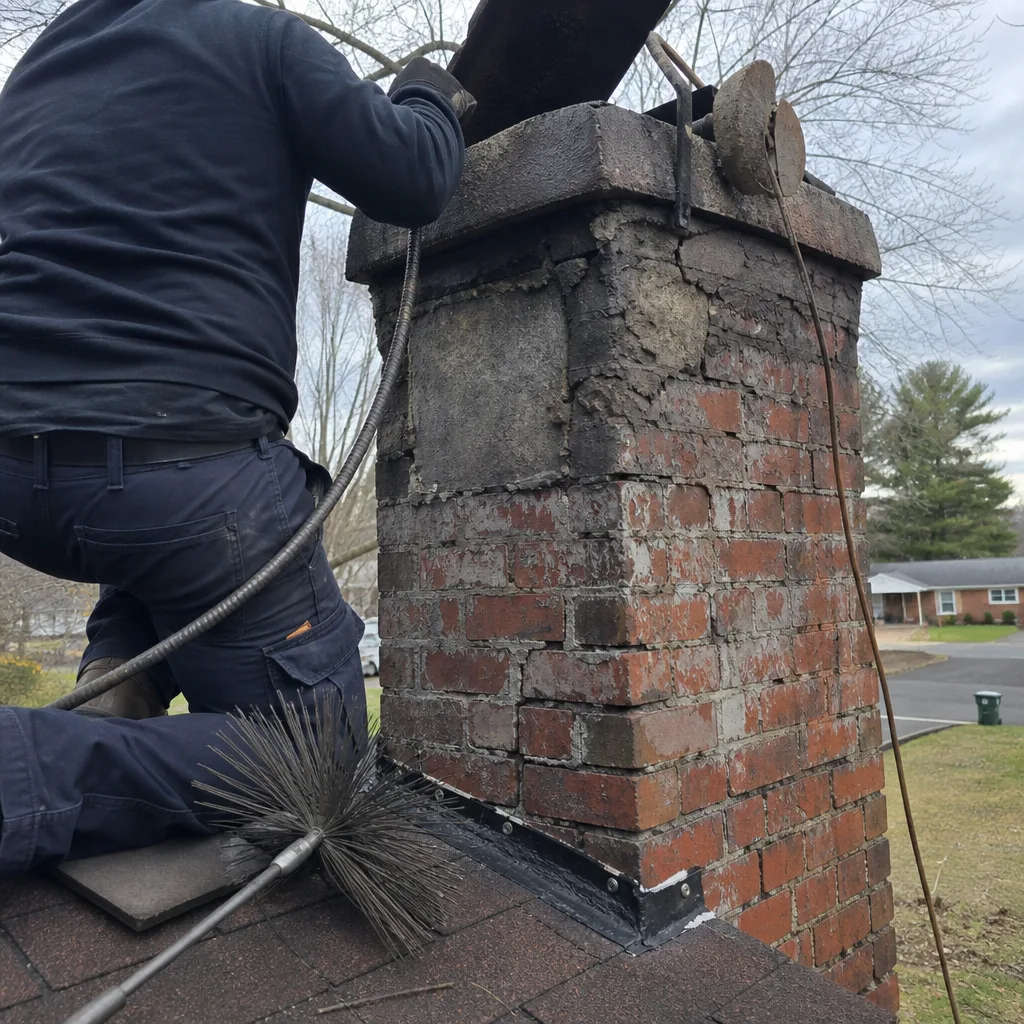 Before
 After
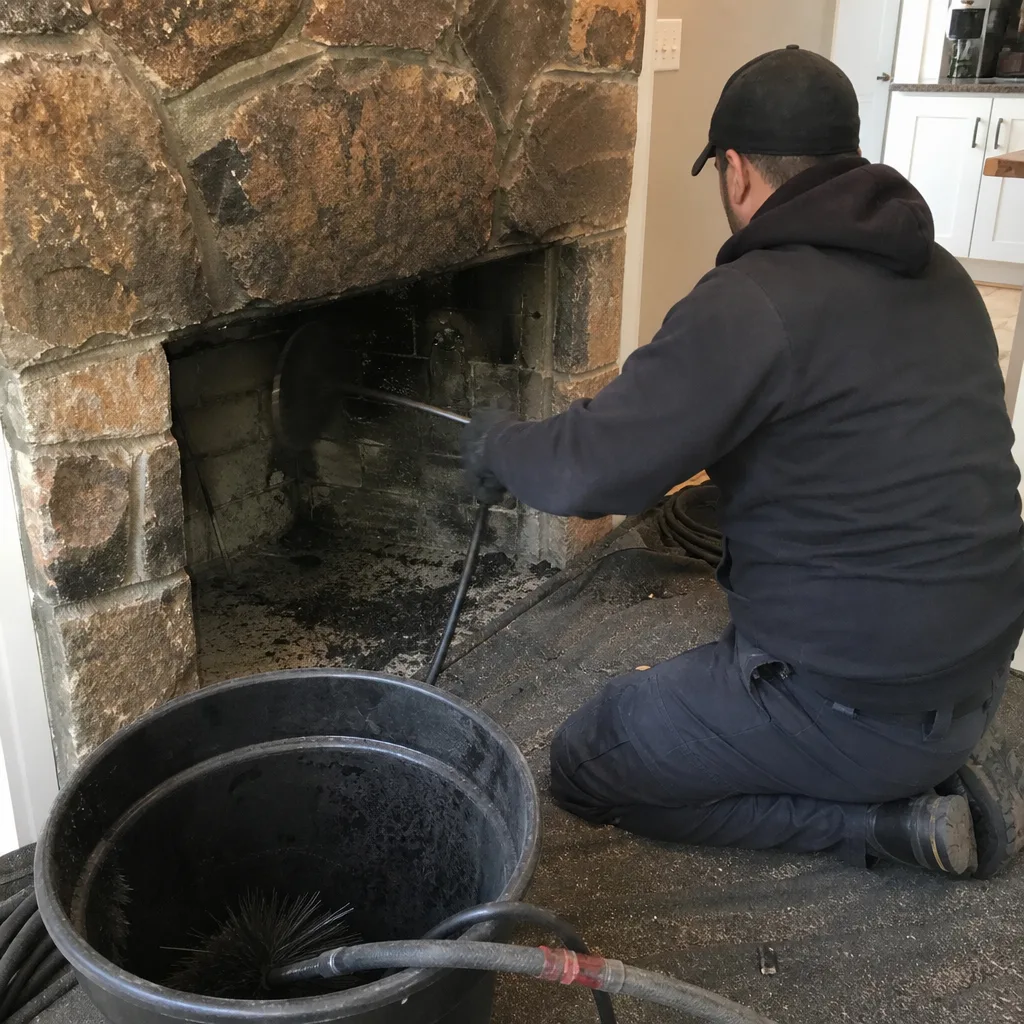 Before
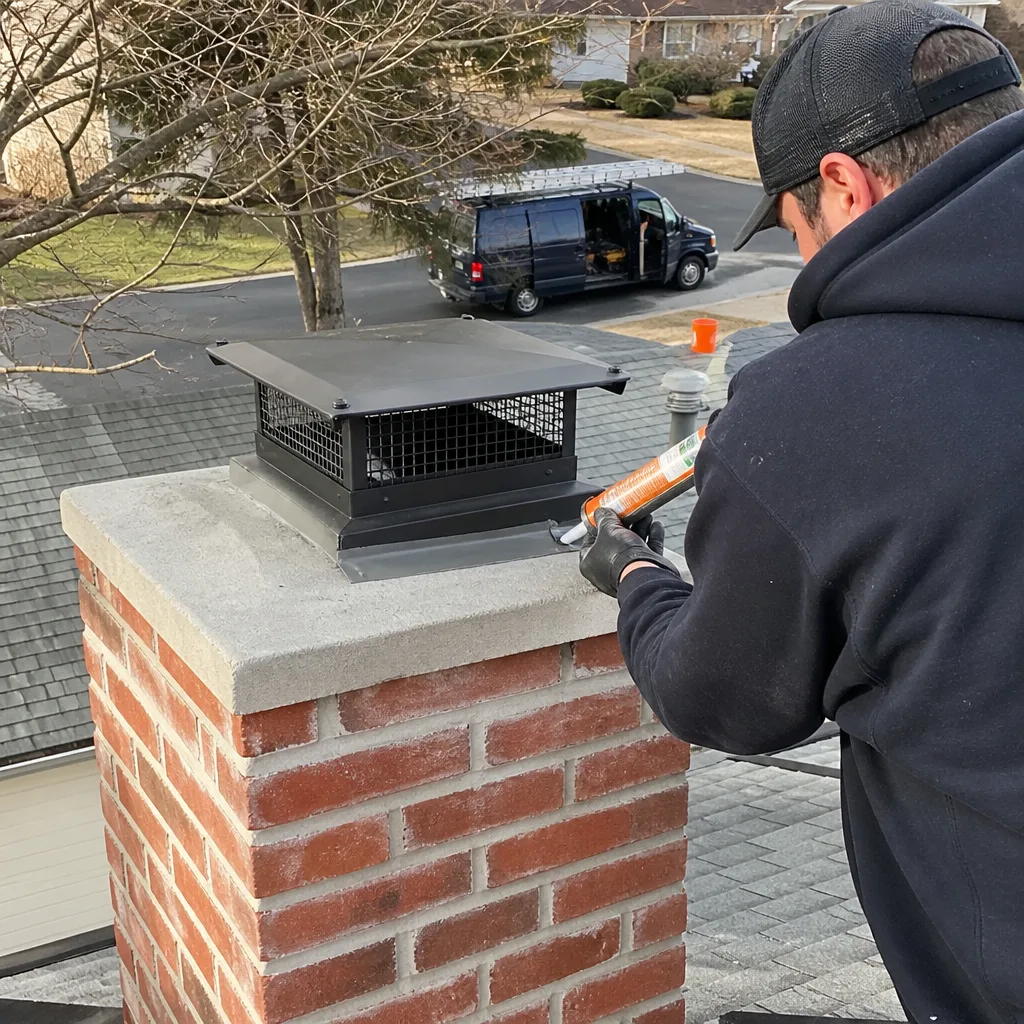 After
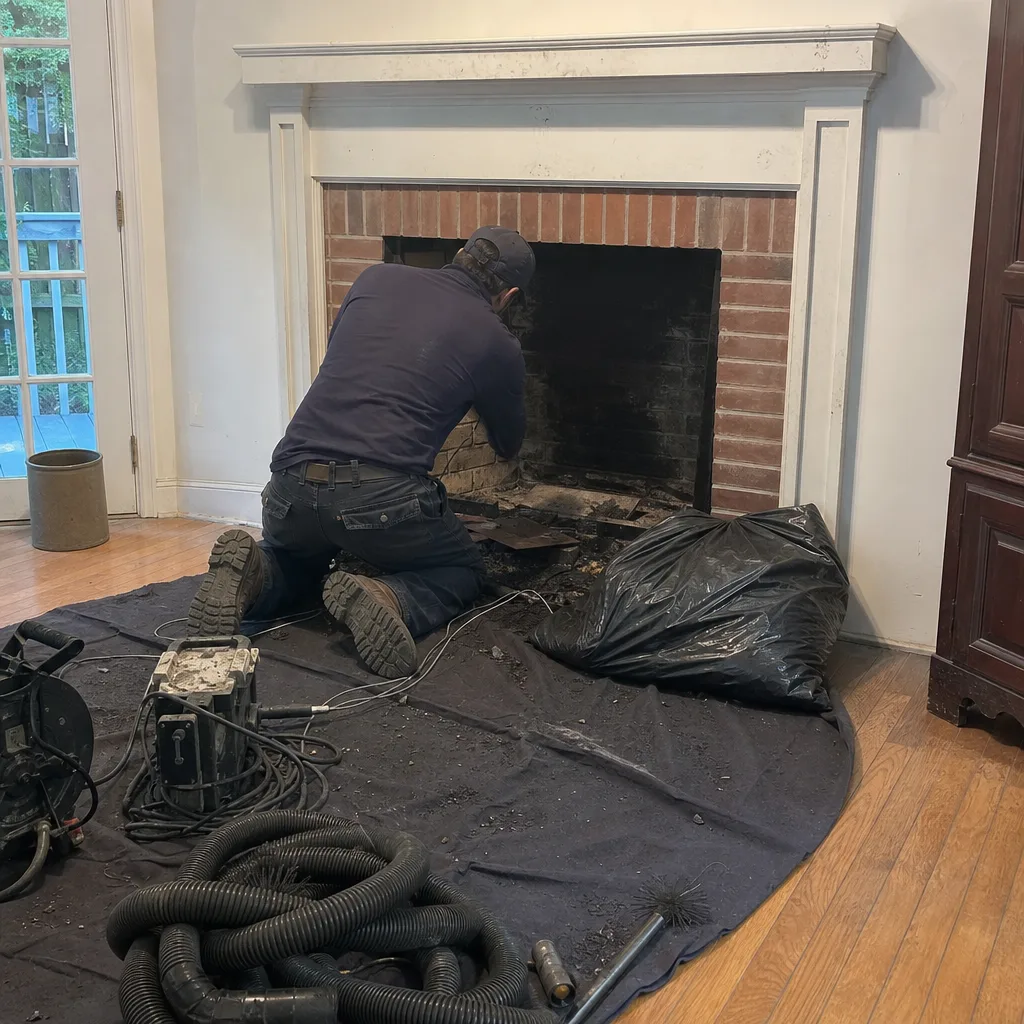 Before
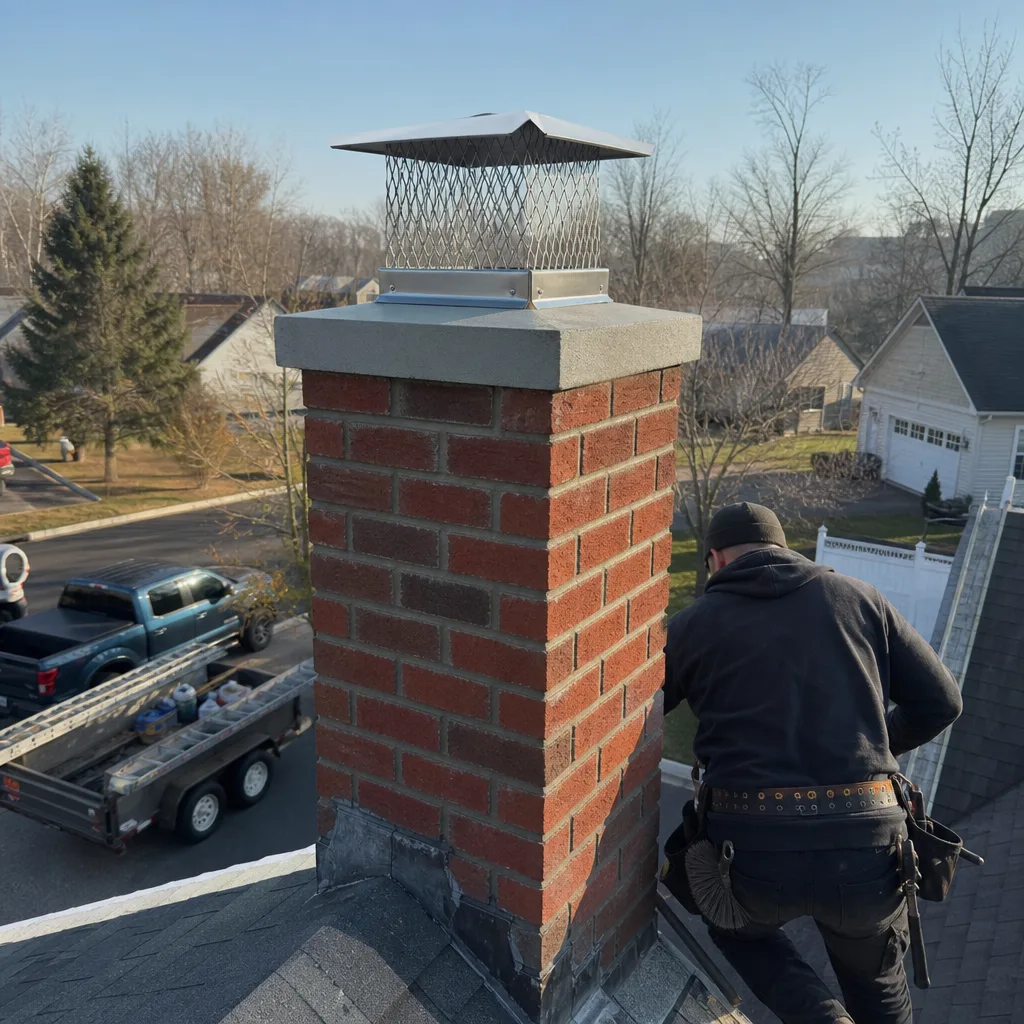 After
How to Hire a Chimney Cleaning Contractor in Bridgewater: A Step-by-Step Guide
New Jersey does not require a chimney sweep to hold a state license. That means the person on your roof tomorrow could have started last week - and your only protection is knowing which questions cut through the sales pitch before you hand over the deposit. In Bridgewater, where many homes in neighborhoods like Martinsville and Finderne were built during the 1970s and 1980s heating-oil era, chimneys often hide deferred maintenance behind brick facades that look fine from the driveway. This guide gives you the five questions that actually separate qualified sweeps from unprepared ones, plus how to spot the red flags that cost homeowners thousands.
Quick Answer
Hiring a chimney cleaning contractor in Bridgewater means verifying CSIA certification as a baseline, demanding a written itemized estimate before any work begins, confirming liability insurance directly with the carrier, and securing a written guarantee of at least 90 days. The best contractors document their inspections with photos you can see, explain findings in plain English, and never pressure you into same-day decisions.
Table of Contents
- Why CSIA Certification Is Only the Starting Point
- The Written Estimate Test: What Itemization Reveals
- How to Verify Insurance Directly (Don’t Trust a Certificate)
- Red Flags Specific to the Chimney Trade
- The 90-Day Written Guarantee Standard
- Photo Documentation and the Plain-English Verdict
- Bridgewater-Specific Considerations: Climate, Codes, and Common Issues
- Common Mistakes to Avoid
- When to Call a Professional
- Frequently Asked Questions
- The Bottom Line
Why CSIA Certification Is Only the Starting Point
The Chimney Safety Institute of America (CSIA) Certified Chimney Sweep credential is the most recognized certification in our trade. It requires passing an exam on codes, clearances, and combustion science, plus continuing education every three years. If a sweep cannot produce a current CSIA number, stop the conversation there.
But here’s what most homeowners in Bridgewater don’t realize: CSIA certification is a floor, not a ceiling. It proves someone passed a test. It does not prove they run a legitimate business, carry adequate insurance, or have handled the specific problems common to Somerset County’s housing stock.
In our 42 years serving central New Jersey, we’ve seen CSIA-certified sweeps who operate without workers’ compensation coverage, who subcontract dangerous work to untrained day laborers, and who disappear when a callback is needed. The certification matters, but it answers only one question: does this person understand chimney science?
What to ask beyond CSIA:
- How many Level-2 inspections have you performed in the last 12 months? (Level-2 means camera inspection of the flue interior - the standard for real estate transactions and any suspected damage.)
- What percentage of your work is chimney sweeping versus repair? (A company that does mostly sweeping may lack experience with liner installation, crown rebuilds, or structural masonry - the expensive problems you’re hiring them to identify.)
- Can you provide three references from Bridgewater or immediate neighboring towns? (Local reputation is verifiable; generic “satisfied customers” are not.)
- What professional-grade materials do you use for repairs? (Look for specific brands: DuraFlex for stainless liners, HeatShield for flue resurfacing, Olympia Chimney for caps and components. Vague answers like “commercial-grade” or “the best stuff” signal a supplier-shopper, not a craftsman.)
The sweep who bristles at these questions is telling you something. The one who answers patiently - who treats your diligence as reasonable - is demonstrating the steadiness you’ll want if a December ice dam reveals hidden flue damage.
The Written Estimate Test: What Itemization Reveals
A contractor who won’t put parts, labor, and scope in writing before starting is not disorganized. They’re avoiding accountability. In New Jersey’s unregulated chimney trade, the verbal estimate is the oldest trap in the book: a low number over the phone, a much higher one once the ladder is against your roof, and a homeowner too embarrassed or pressured to send them away.
The written estimate is your first real test of a contractor’s integrity. Here’s what a proper one includes:
- Scope description in plain English. Not “service flue” but “sweep and inspect 8-inch terracotta flue serving wood-burning fireplace in living room, including smoke chamber and firebox.”
- Line-item pricing for each component. Sweeping fee separate from inspection fee separate from any recommended repairs. Bundled pricing hides markup and makes comparison impossible.
- Material specifications by brand and model. If a liner is recommended, the estimate should state “DuraFlex 316Ti stainless steel liner, 6-inch diameter, with lifetime warranty” - not just “new liner.”
- Labor hours or flat-rate basis. Flat-rate is standard for sweeps; hourly invites padding. Either way, the basis must be stated.
- Expiration date and change-order terms. Prices valid for how long? What triggers additional charges?
- Payment schedule. Never pay full price upfront. A reasonable deposit with balance on completion protects both parties.
In Bridgewater’s competitive market, we’ve encountered estimates that list “chimney repair - $2,400” with no breakdown. That’s not an estimate; it’s a blank check. A square deal requires specifics: no surprises on the bill.
At Hearthstone Chimney Co., our estimates itemize every component because we want you to compare apples to apples. If another contractor’s estimate is cheaper, the itemization shows you where - cheaper materials, skipped steps, or uninsured labor. Without that detail, you’re guessing.
How to Verify Insurance Directly (Don’t Trust a Certificate)
Every contractor carries a certificate of insurance. Many carry an expired one, or one with coverage that doesn’t match their actual operations. In the chimney trade, where technicians work at height with heavy equipment on your roof, this is not a paperwork exercise.
Here’s how to verify properly:
- Request the certificate directly from the contractor’s insurance agent or broker. Not a PDF they email you - call the agency listed on the certificate and confirm the policy is active, the coverage amounts, and the expiration date.
- Confirm general liability coverage of at least $1 million per occurrence. This is standard for legitimate contractors. Lower limits suggest a residential handyman policy, not commercial trade coverage.
- Verify workers’ compensation coverage. If a technician is injured on your property and the contractor lacks workers’ comp, your homeowner’s policy may be the primary payer. In New Jersey, this is a significant exposure.
- Check that the policy covers chimney-specific work. Some general contractors carry liability that excludes “work at height” or “masonry restoration.” The certificate should not contain these exclusions, or the contractor should provide a rider showing coverage.
- Ask for a certificate naming you as additional insured for the project duration. This is standard practice for any substantial repair work and costs the contractor nothing.
The contractor who resents this process is not busy; they’re hiding something. We’ve replaced work done by uninsured sweeps in Bridgewater neighborhoods like Green Knoll and Bradley Gardens, where homeowners discovered too late that “fully insured” meant a $300 handyman policy with a $5,000 deductible.
At Hearthstone Chimney Co., we welcome this verification. Our carrier’s contact information is available on request, and we’ve never had a homeowner’s call reveal a discrepancy - because there isn’t one.
Red Flags Specific to the Chimney Trade
Some contractor warning signs are universal: cash-only demands, unmarked vehicles, no physical business address. The chimney trade has its own set, tailored to an industry where homeowners cannot easily verify claims about hidden flue damage or carbon monoxide risk.
The “while we’re up there” upsell. A legitimate sweep finds problems during inspection and documents them. A predatory one invents them in real time, creating urgency you cannot verify. “Your liner is cracked - we can replace it today for $1,800 off” is a sales tactic, not a diagnosis. Every recommendation should come with photo evidence and time to consider.
Carbon monoxide scare tactics. Carbon monoxide is real, and a blocked or damaged flue can indeed force combustion gases into living space. But the contractor who leads with “your family is in danger” before demonstrating the actual defect is using fear to short-circuit your judgment. Ask to see the blockage, the crack, or the test reading. A professional shows; a salesman tells.
Same-day or “while I’m here” discounts. Legitimate contractors schedule work based on capacity and material availability. The 20% discount for “today only” is designed to prevent you from getting a second opinion. At Hearthstone, we offer a free second opinion on any written estimate - because confident craftsmen don’t fear comparison.
Vague material descriptions. “Stainless liner” could mean 304 alloy with a 10-year warranty or 316Ti with lifetime coverage. The difference in longevity and corrosion resistance is substantial, especially in Bridgewater’s climate where freeze-thaw cycles accelerate deterioration. Demand specifics: brand, alloy, warranty terms.
No local presence or history. A contractor with a Google Voice number and no verifiable local address can disappear. Check how long they’ve served Somerset County specifically, not “the tri-state area.” Chimney cleaning in Bridgewater requires understanding local building departments, common construction eras, and seasonal patterns - knowledge accumulated over years, not downloaded from a franchise manual.
The 90-Day Written Guarantee Standard
Verbal promises are not enforceable when your fireplace smokes into the living room on Christmas Eve. A written guarantee is the only protection that matters, and in the chimney trade, the minimum acceptable standard is 90 days.
Here’s why: chimney problems often manifest under specific conditions - cold snaps that open thermal cracks, wind directions that expose draft deficiencies, burning patterns that reveal creosote buildup missed during shoulder-season sweeping. A 30-day guarantee expires before these conditions test the work.
What a proper guarantee includes:
- Specific coverage: workmanship, materials, or both
- Trigger conditions: what constitutes a problem versus normal operation
- Response mechanism: who to call, expected timeline, no-charge commitment
- Exclusions clearly stated: damage from user error, natural disasters, modifications by others
At Hearthstone Chimney Co., our 90-Day Done Right Promise covers every job in writing with no arguing. If it’s not right, we make it right. No paperwork to locate, no manager to escalate, no “we’ll get back to you.” The K.E.Y.S. values govern it: Krafted right, Every time, Your home first, Standing behind it.
We’ve honored this promise for 42 years, including callbacks in Bridgewater where subsequent settling or weather exposed issues no inspection could have predicted. The guarantee is not a marketing line. It’s how we stay in business for the long haul.
Be wary of “lifetime” guarantees from companies that have operated for three years. A guarantee is only as reliable as the company behind it. Ask how many times they’ve actually performed callback work under the guarantee - and request references from homeowners who experienced it.
Photo Documentation and the Plain-English Verdict
The most powerful tool in hiring a chimney contractor is also the simplest: ask to see photos from a recent inspection, explained in terms you understand. A technician who cannot show you clear images of flue damage, creosote buildup, or crown deterioration is either unequipped or unwilling to be accountable.
Modern chimney inspection uses video scanning equipment - a camera on a flexible rod sent up the flue, recording the entire surface. The resulting footage should be:
- Clear and well-lit, with reference points showing location within the flue
- Narrated or accompanied by written timestamps explaining what each segment shows
- Provided to you as a digital file or accessible link, not just shown on a small screen and taken away
- Correlated to specific recommendations: “At 12 feet, vertical crack in terracotta liner - see photo 7 - requires HeatShield resurfacing or liner replacement”
The plain-English verdict matters as much as the photos. A contractor who delivers a jargon-heavy report - “spalling masonry in the smoke chamber with compromised parging and negative pressure issues” - may be knowledgeable or may be obscuring uncertainty behind vocabulary. The craftsman explains: “The brick surface inside your firebox is crumbling, which lets heat reach framing it shouldn’t. We can resurface it with a specialized refractory material, or if the damage is deeper, rebuild. Here’s what each option costs and how long it lasts.”
At Hearthstone, our fireplace services in Bridgewater include Level-2 camera inspections with photos you can see and a plain-English verdict. Documented like an engineer, explained like a craftsman. We don’t expect homeowners to become chimney experts; we expect them to understand what they’re paying for and why.
Bridgewater-Specific Considerations: Climate, Codes, and Common Issues
Bridgewater Township sits in the Raritan Valley where winter temperature swings are sharp and freeze-thaw cycles are aggressive. From late November through March, daytime highs in the 40s drop to teens overnight. This thermal stress cracks chimney crowns, opens mortar joints, and accelerates deterioration of older terracotta flue liners.
The local housing stock compounds this. Many homes in neighborhoods like Chimney Rock and Country Club Manor were built during the 1960s-1980s oil-boom era, with chimneys designed for lower-efficiency furnaces that ran hotter and drafted more reliably. Modern high-efficiency replacements extract more heat from combustion gases, producing cooler flue temperatures that increase condensation and creosote accumulation - especially when homeowners switch to wood-burning inserts without proper liner resizing.
Chimney Cleaning Permits, Codes & Inspections in NJ: What You Need to Know explains that Somerset County building codes require permits for chimney liner replacement, structural rebuilds, and any modification to fireplace combustion air supply. A contractor who suggests “we can skip the permit to save you money” is exposing you to liability and potentially voiding your homeowner’s insurance. Legitimate contractors in Bridgewater work with the township building department regularly and handle permitting as standard practice.
Seasonal timing matters locally. The October-November rush means qualified contractors book 2-4 weeks out. The “sweeps” who can come tomorrow in peak season are either overstaffed with inexperienced technicians or not busy for a reason. Plan ahead: schedule inspection in September if you intend to burn by Thanksgiving.
Finally, Bridgewater’s mature tree canopy - one of its charms - contributes to chimney maintenance needs. Overhanging oak and maple limbs drop debris that clogs caps, and leaf accumulation in chimney crowns traps moisture against masonry. A thorough inspection includes assessment of cap condition and crown drainage, not just flue cleaning.
Common Mistakes to Avoid
- Hiring based on the lowest phone estimate. The $99 sweep special often becomes a $900 repair recommendation once the technician is in your home. Itemized written estimates prevent this, but only if you demand them upfront.
- Assuming CSIA certification means full qualification. It’s necessary and insufficient. Verify insurance, local history, and specific experience with your chimney type.
- Accepting verbal guarantees. “We’ll take care of you” sounds reassuring and means nothing in December when the company won’t return calls. Get the guarantee in writing with specific terms.
- Neglecting to check Somerset County-specific references. A sweep with strong reviews in Pennsylvania may not understand New Jersey’s unregulated market or local building departments. Ask for Bridgewater-area homeowners you can contact.
- Allowing pressure to decide immediately. Carbon monoxide is serious; so is spending thousands on unnecessary work. Any legitimate danger can be documented, and any legitimate contractor will give you time to verify. Same-day discounts are a sales tactic, not a safety measure.
- Forgetting to verify workers’ compensation. General liability protects your property. Workers’ comp protects you from liability if a technician is injured. Both are essential, and neither is automatic.
- Skipping the camera inspection for “routine” cleaning. In Bridgewater’s aging housing stock, the flue interior often tells a different story than the exterior brick suggests. Level-2 inspection is the only way to see it.
When to Call a Professional
Call a qualified chimney contractor when you notice any of these: smoke backing up into the room, a strong odor from the fireplace when not in use, visible cracks in the firebox or exterior masonry, white staining (efflorescence) on chimney brick, or it’s been more than a year since your last professional inspection. After any chimney fire, even a small one, a Level-2 inspection is mandatory before next use - the damage may be hidden inside the flue.
Don’t wait for symptoms if you’ve recently changed heating equipment, installed a wood-burning insert, or purchased a home without documented chimney history. These transitions commonly create compatibility problems between appliance and chimney that only professional assessment can identify.
Hearthstone Chimney Co. offers free estimates in Bridgewater - call (908) 589-8342. We’ll answer with a live person, 24 hours a day, every day. We’ll be there when we say, and you’ll get photos you can see with a plain-English verdict. Done right - and we stand behind it.
Frequently Asked Questions
Per our Chimney Cleaning Cost Breakdown: The Bridgewater Homeowner’s Reference for 2026, a standard chimney sweep and Level-1 inspection in Bridgewater typically ranges from $150 to $300, while a Level-2 inspection with camera evaluation runs $250 to $450 depending on accessibility and chimney height. Prices below this range often indicate cut corners or bait-and-switch tactics. Call (908) 589-8342 for an exact quote - estimates are free.
You need a new liner when the existing one is cracked, deteriorated, or improperly sized for your heating appliance - conditions documented by camera inspection, not assumed. In Bridgewater’s older homes with original terracotta liners, thermal cycling from modern high-efficiency equipment frequently causes cracking that a visual inspection from below cannot detect. We recommend nothing without photo evidence you can see yourself.
The National Fire Protection Association recommends annual inspection for all chimneys, with sweeping frequency determined by use: wood-burning fireplaces typically need annual cleaning, gas systems every 2-3 years, and oil systems annually due to soot accumulation. Bridgewater’s freeze-thaw climate accelerates masonry deterioration, making annual inspection particularly important for exterior chimney condition even with minimal use.
Skipped maintenance leads to creosote buildup that fuels chimney fires, blocked flues that force carbon monoxide into living spaces, and water infiltration that destroys masonry from the inside out - damage that progresses silently until repair costs multiply dramatically. In our experience, a $200 annual inspection prevents $3,000-$8,000 rebuilds that become necessary when minor cracks are ignored for three to five years.
No - New Jersey has no state licensing requirement for chimney sweeps, which makes CSIA certification the most important voluntary credential to verify, though as discussed above, it is only a starting point. This regulatory gap places full responsibility on homeowners to vet contractors thoroughly using the steps in this guide.
We do not recommend DIY chimney cleaning. The work requires proper equipment for flue evaluation, knowledge of combustion appliance codes, and safe roof access - and without camera inspection, you cannot verify that cleaning addressed actual conditions. For homeowners in Bridgewater, professional service includes documentation that supports insurance claims and home sale disclosures, neither of which DIY provides.
The Bottom Line
Hiring a chimney contractor in Bridgewater means accepting that New Jersey offers no regulatory protection - your diligence is your only safeguard. For more guides & resources, explore our blog. Verify CSIA certification, demand itemized written estimates, confirm insurance directly with carriers, insist on photo documentation with plain-English explanation, and secure a written guarantee of at least 90 days. The contractors who welcome this scrutiny are the ones worth hiring. Those who resist it are telling you exactly who they are.
At Hearthstone Chimney Co., we’ve built our business on passing every test this guide describes. Forty-two years. Live person on every call. Photos you can see. A square deal: no surprises on the bill. And the 90-Day Done Right Promise - in writing, no arguing.
Call (908) 589-8342 for a free estimate. We’ll be there when we say.
Written by Russell Haines, Owner at Hearthstone Chimney Co., serving Bridgewater since 2014.