
Last updated September 10, 2026
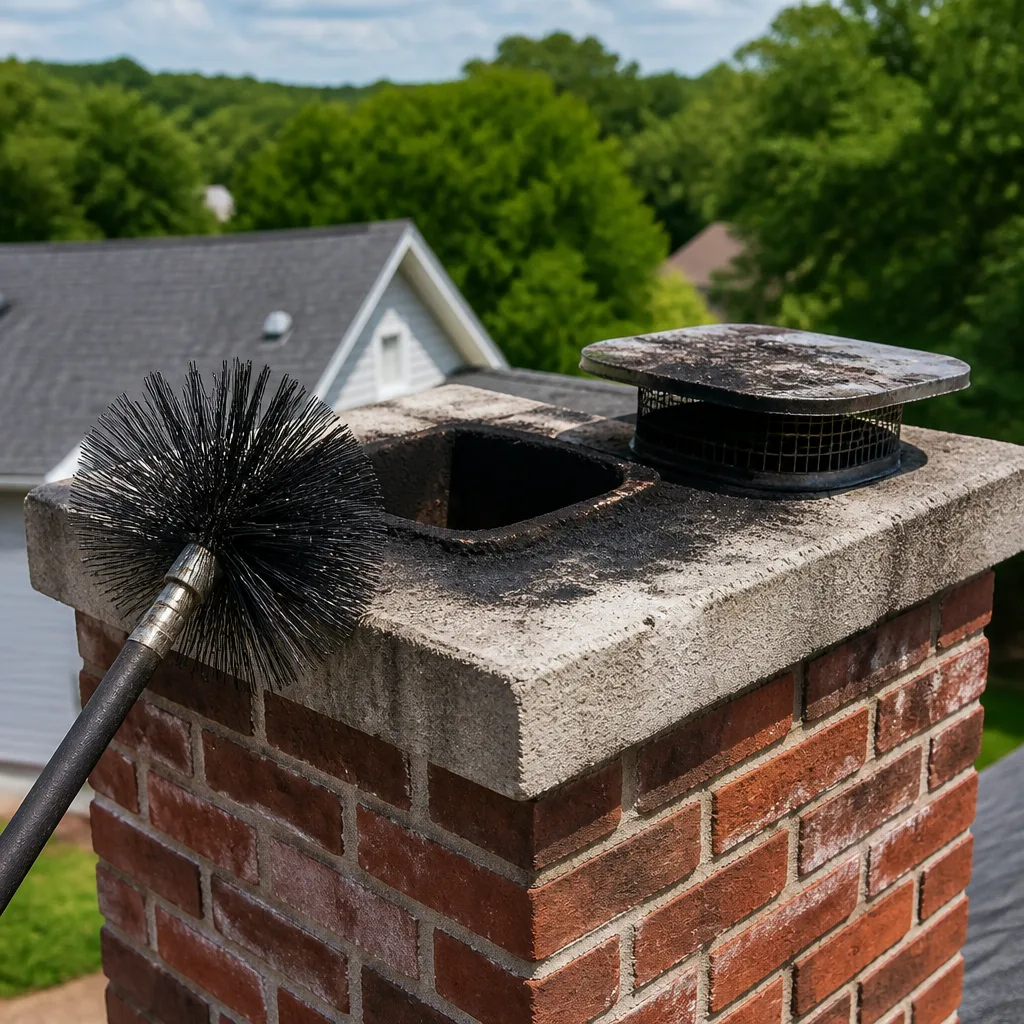
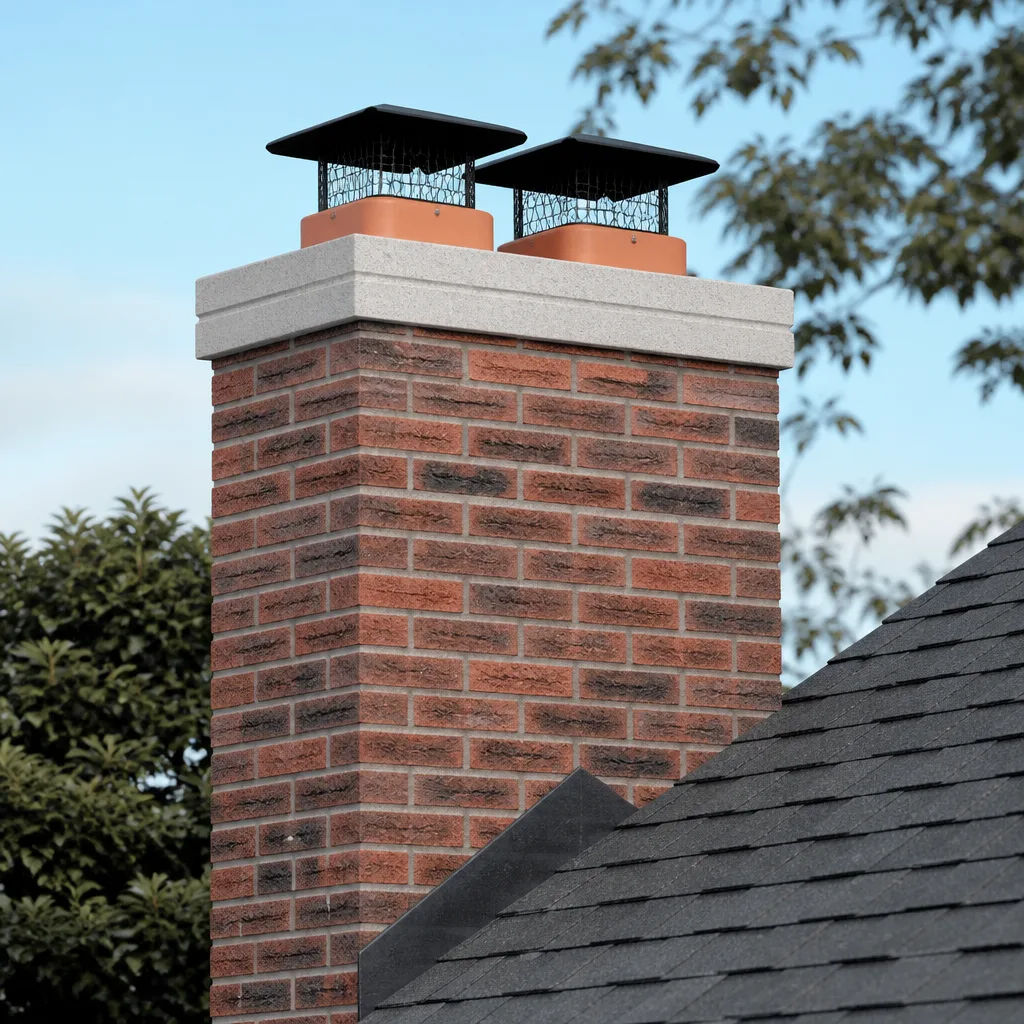
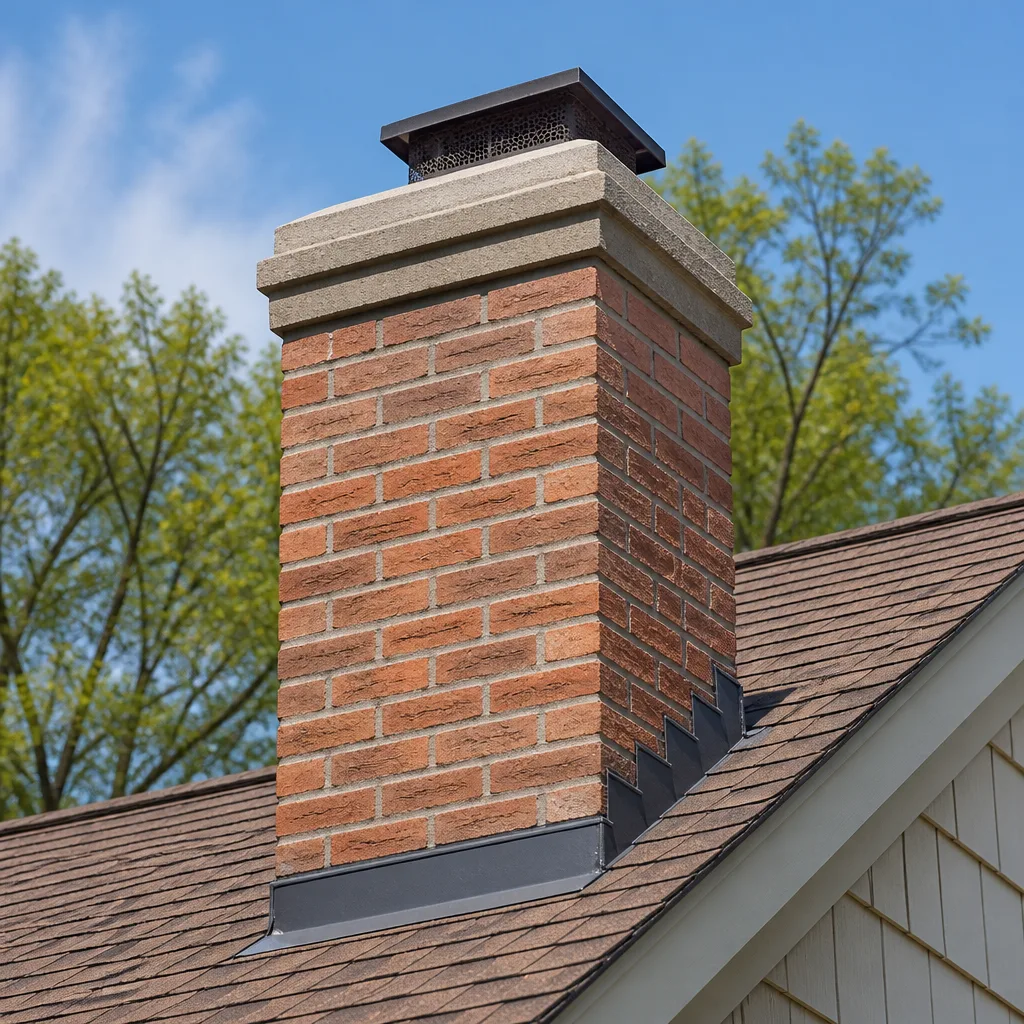
Level 1 sweep and inspection to the NFPA 211 annual standard - flue, crown, cap, and flashing checked and photographed
Chimney sweep logs do not sweep chimneys. They loosen some creosote - which then falls where a brush and vacuum still have to collect it.
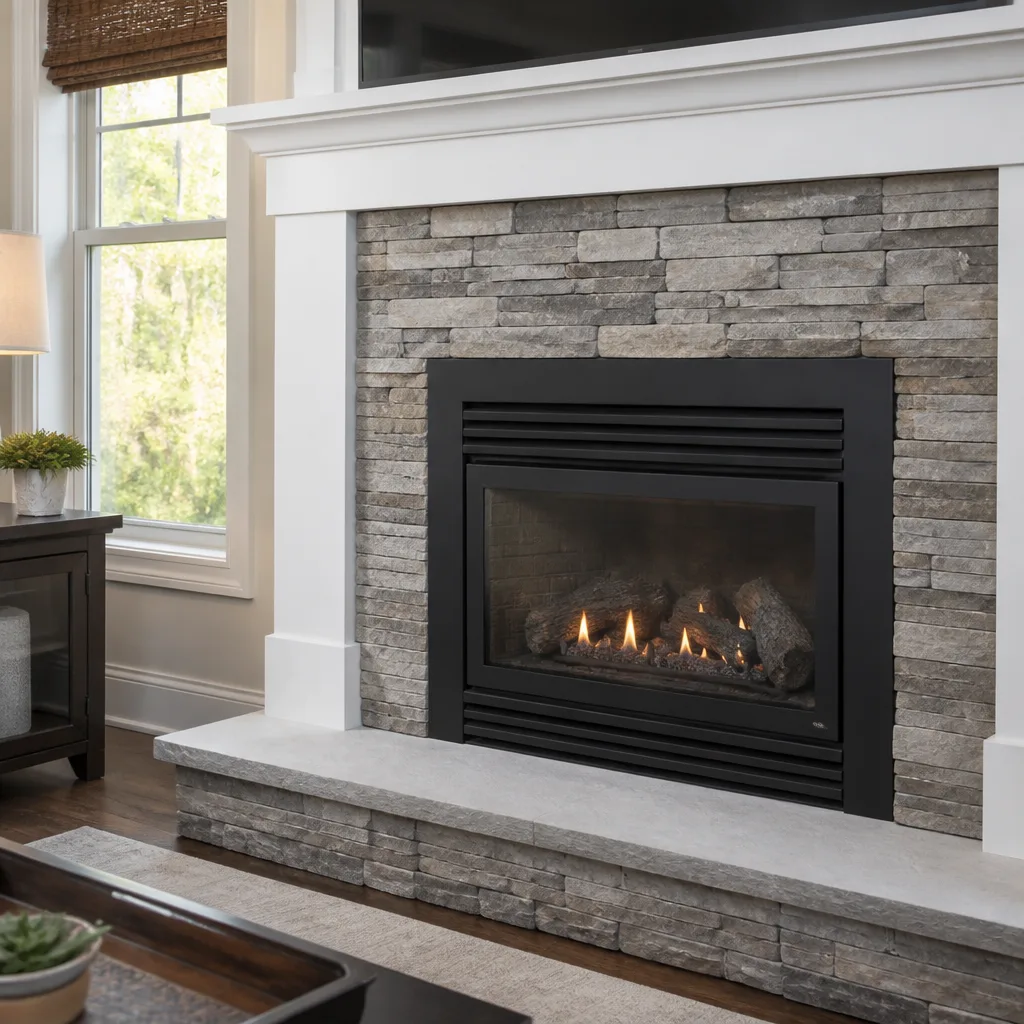
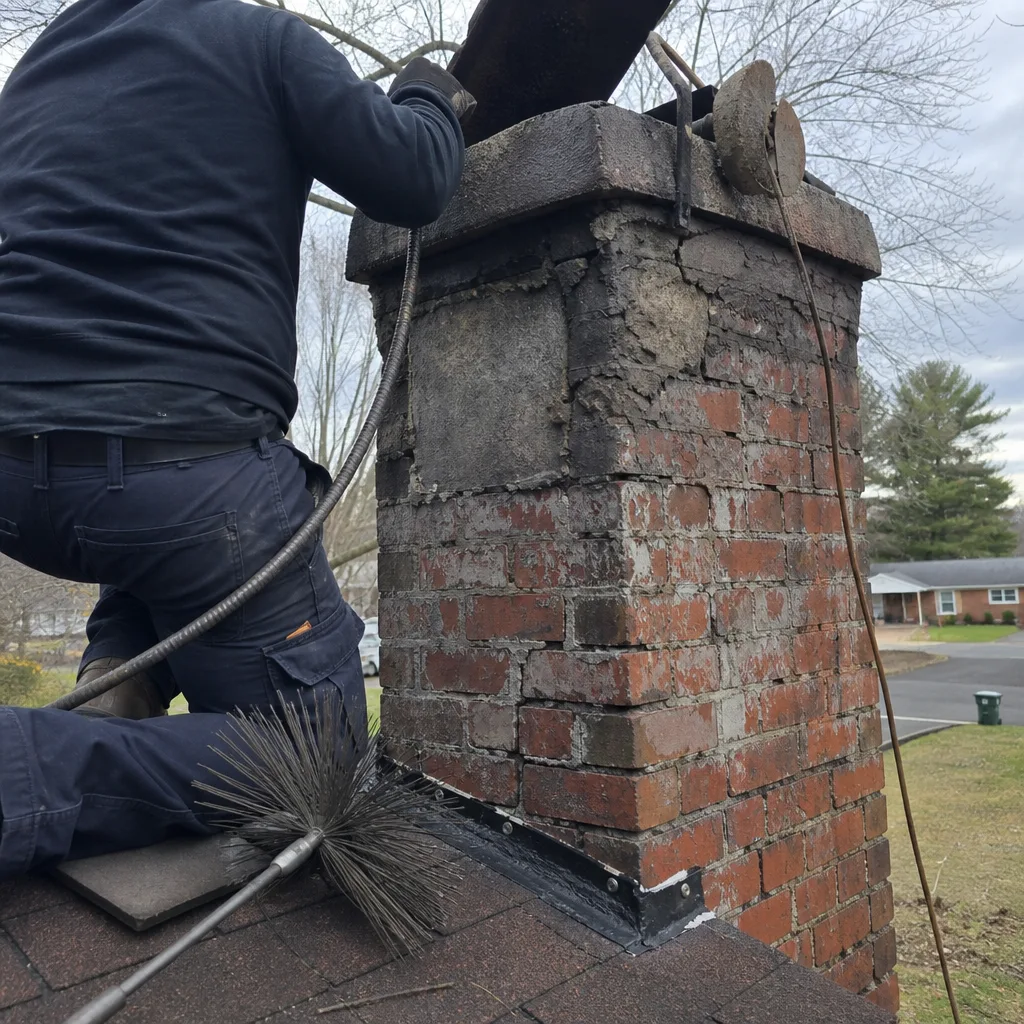 Before
 After
After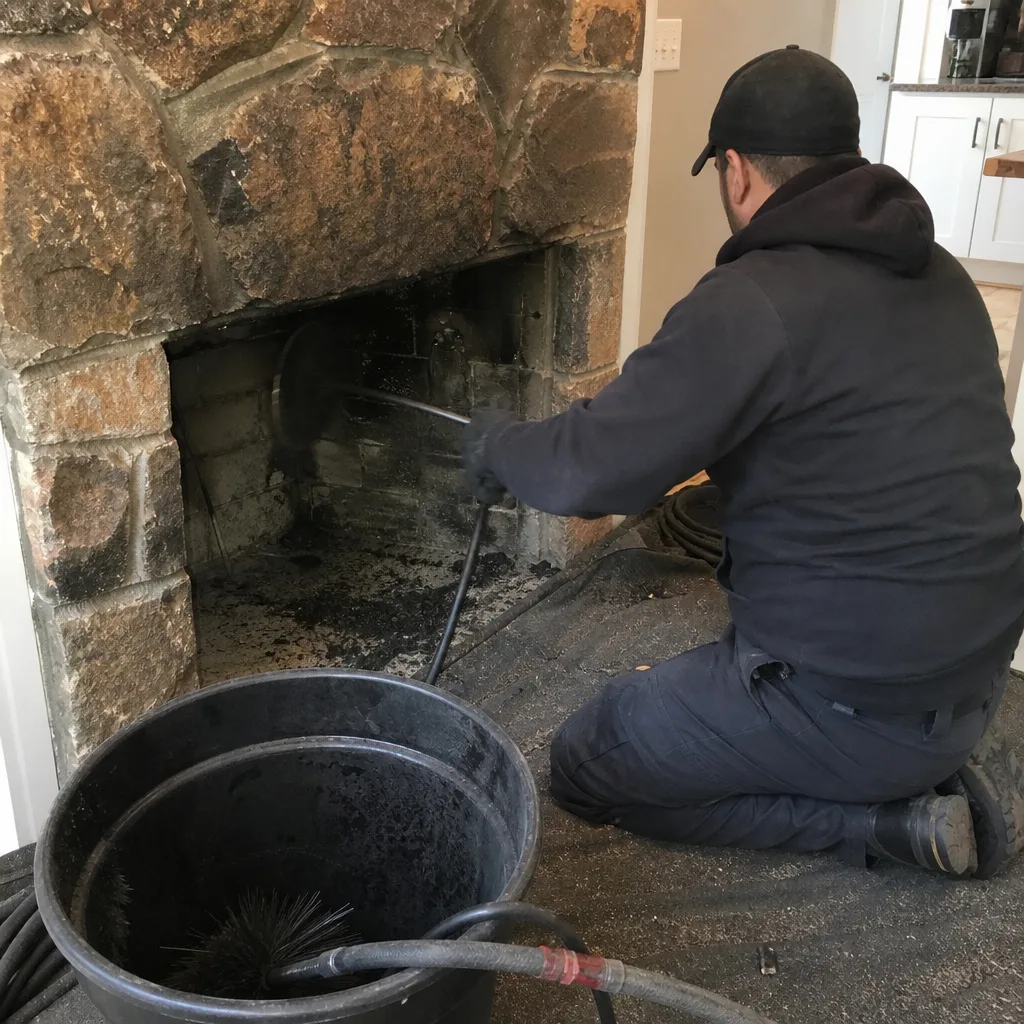 Before
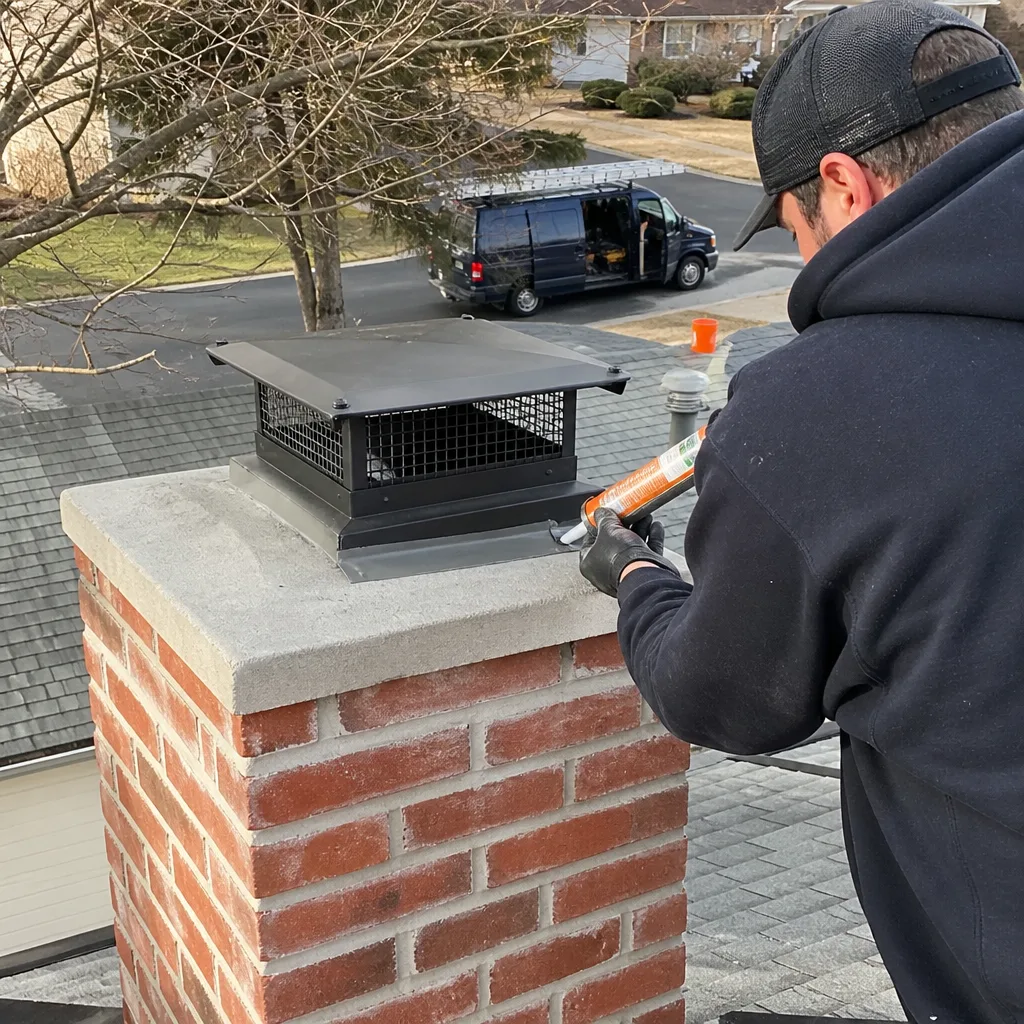 After
After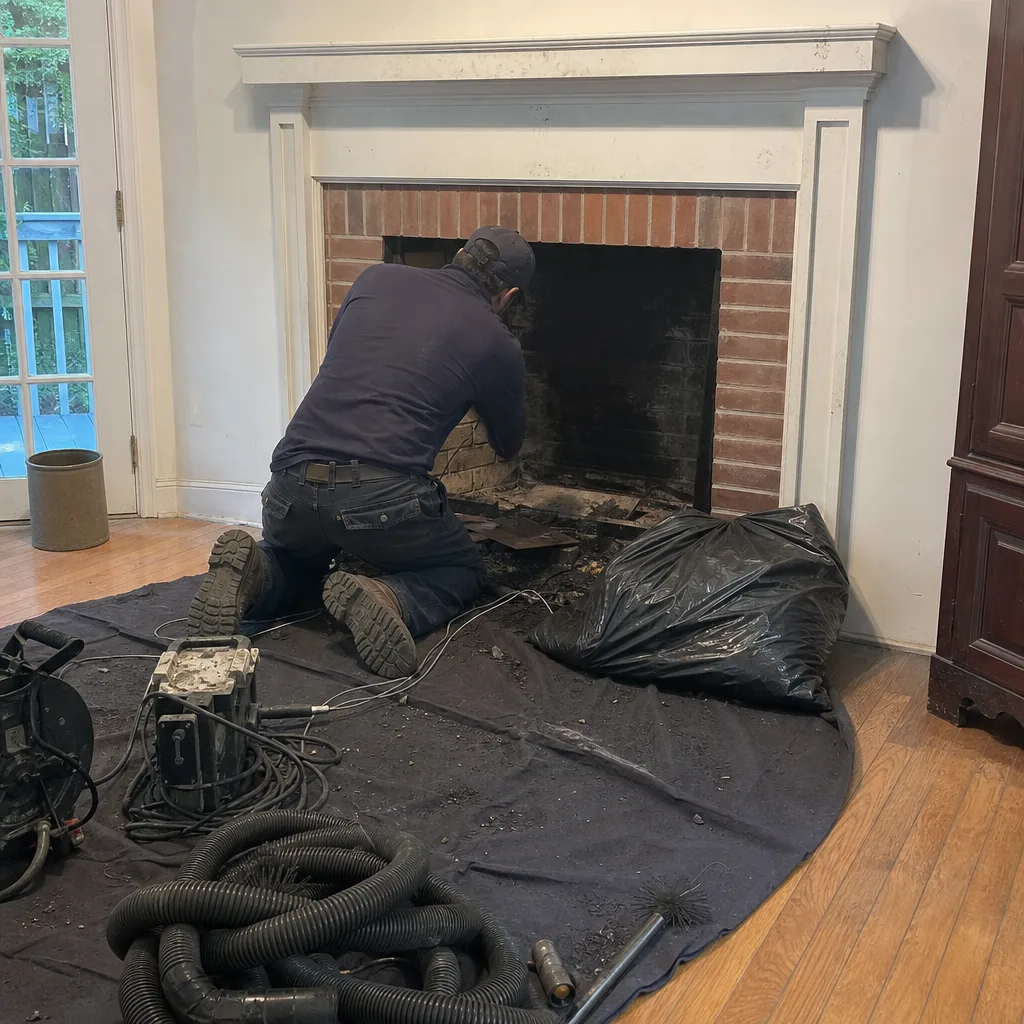 Before
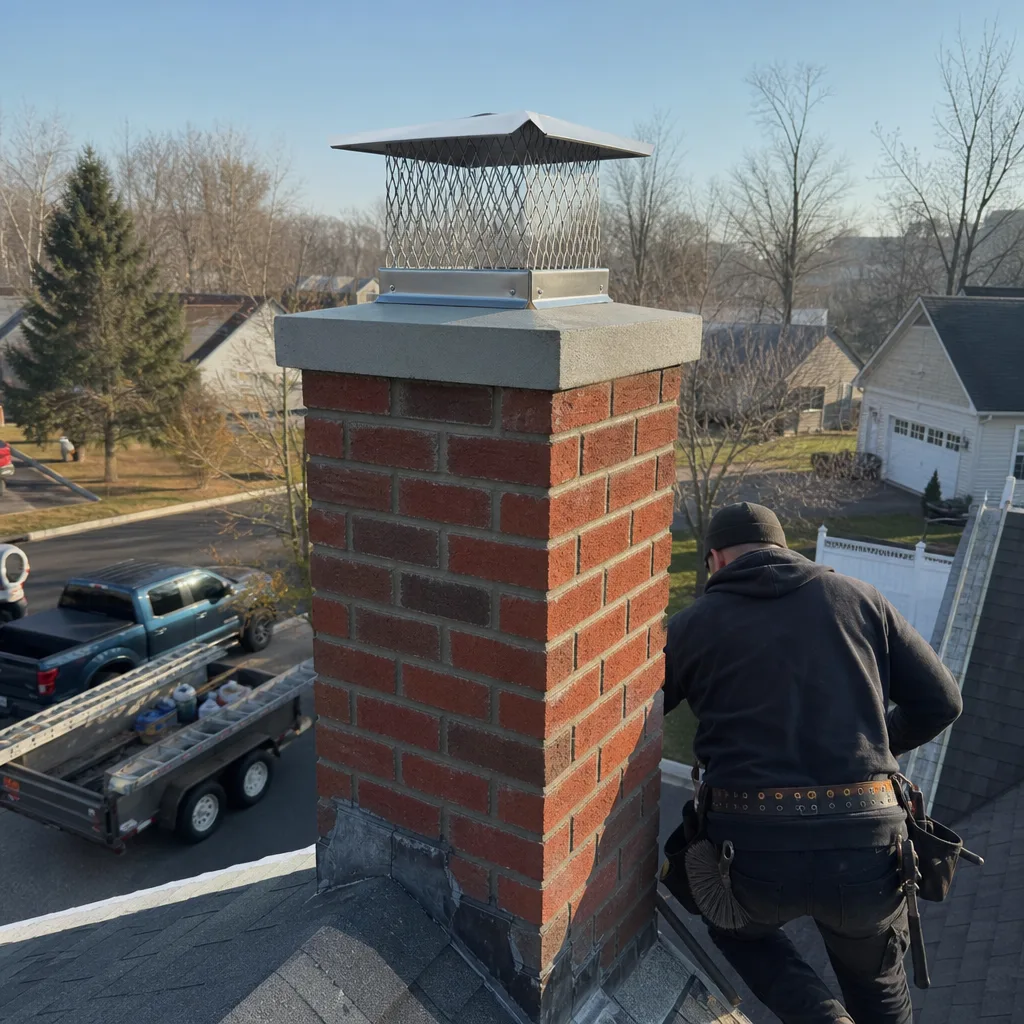 After
AfterChimney Cleaning Permits, Codes & Inspections in NJ: What You Need to Know
You don’t need a permit to clean a chimney. But if your sweep finds a cracked liner and replaces it without pulling a permit, you own that unpermitted work - and it will surface the moment you sell the house or file a fire-related insurance claim. In Bridgewater and across Somerset County, we’ve seen this scenario play out dozens of times: a homeowner hires a cut-rate operator for what they think is a simple cleaning, the technician discovers damage, performs a quick repair without proper documentation, and years later the homeowner faces a failed inspection or denied claim. This guide draws the line clearly between cleaning and construction, so you know exactly when a permit matters and how to protect yourself. For related reading, see our Complete Guide to Chimney Cleaning in Bridgewater.
Quick Answer
Chimney cleaning and routine sweeping do not require a permit in New Jersey. However, any repair that alters the chimney structure, replaces the liner, or rebuilds the firebox triggers permit requirements under the New Jersey Uniform Construction Code. Homeowners should always request permit documentation from contractors for repair work, not just an invoice receipt.
Table of Contents
- Do You Need a Permit for Chimney Cleaning in NJ?
- Which Chimney Repairs Trigger Permit Requirements?
- How Somerset County Municipalities Handle Chimney Inspections
- NFPA 211 vs. NJ Code: What ‘Up to Code’ Actually Means
- The Insurance Angle: Unpermitted Work and Chimney Fire Claims
- How to Verify Your Contractor Pulled the Right Permits
- Common Mistakes to Avoid
- When to Call a Professional
- Frequently Asked Questions
- The Bottom Line
Do You Need a Permit for Chimney Cleaning in NJ?
No. Routine chimney cleaning, sweeping, and basic maintenance fall outside the scope of construction permits under the New Jersey Uniform Construction Code (UCC), which is administered by the New Jersey Department of Community Affairs. A standard sweep removes creosote buildup, inspects accessible components, and documents conditions. None of these activities change the structure, function, or safety systems of the chimney.
Where homeowners get tripped up is the gray zone between cleaning and repair. A technician arrives for a scheduled sweep, discovers a deteriorated clay liner or spalling brick in the firebox, and offers to “take care of it while they’re here.” In Bridgewater’s older neighborhoods - particularly around the historic districts near Duke Island Park and the pre-war homes off Union Avenue - we’ve encountered chimney systems where previous owners accepted exactly this kind of undocumented repair. The work may have been technically competent. Without a permit, it legally did not happen.
The distinction matters for three reasons:
- Resale disclosure: New Jersey’s seller disclosure form asks about permits for structural modifications. Unpermitted chimney work must be disclosed or risks future liability.
- Insurance coverage: Carriers can deny claims related to unpermitted modifications, even if the modification did not cause the loss.
- Safety verification: Permitted work receives a final inspection by a municipal code official, providing an independent verification that the repair meets current standards.
At Hearthstone Chimney Co. home, we separate cleaning and repair into distinct proposals. Our sweeps document everything with photos and a plain-English verdict. If repair is needed, we explain the permit requirement before any work begins. No surprises on the bill, and no hidden complications when you sell.
Which Chimney Repairs Trigger Permit Requirements?
Under the New Jersey Uniform Construction Code, chimney repairs fall into two categories: maintenance (no permit) and construction (permit required). The line sits at structural alteration and component replacement. Here’s what triggers a permit in every Somerset County municipality we’ve worked in:
Permit-Required Repairs
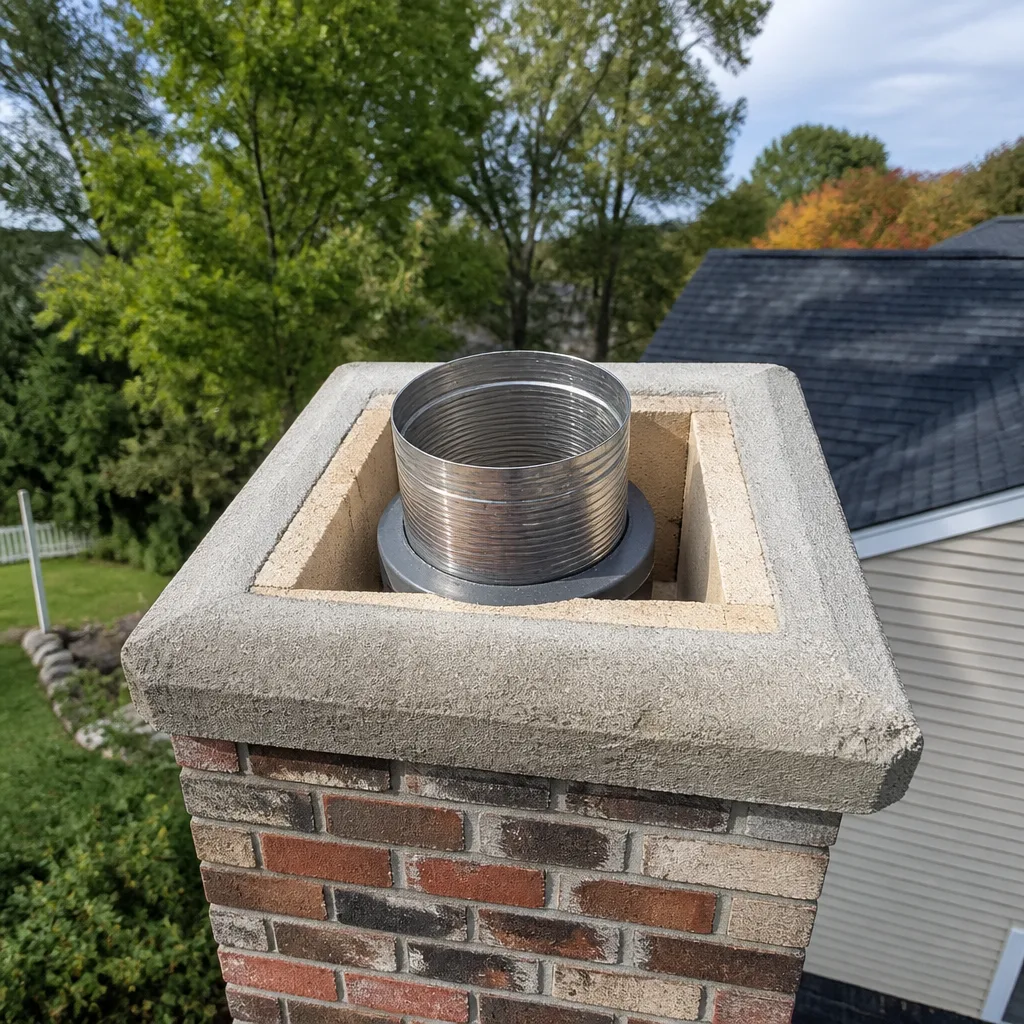
- Chimney liner replacement or relining. Whether installing a stainless steel liner from DuraFlex or Olympia Chimney, or applying a cast-in-place resurfacing product like HeatShield, full relining changes the chimney’s engineered venting pathway. This requires a construction permit and final inspection.
- Firebox reconstruction. Rebuilding the firebox with refractory panels or firebrick alters the combustion chamber. A permit ensures proper clearances to combustibles and correct material ratings.
- Chimney chase or structure rebuild. Any rebuild exceeding 25% of the chimney structure in a 12-month period triggers permit requirements under UCC standards. This includes partial rebuilds after freeze-thaw damage, common in Bridgewater’s climate with its wet winters and temperature swings.
- Crown replacement with structural modification. Poured concrete crown replacement typically requires a permit when forms are built and concrete is placed. Precast crown installations may qualify as maintenance in some municipalities, but we recommend confirming with the local building department.
- Damper installation or modification. Adding a top-sealing damper or modifying the throat damper mechanism changes the appliance’s venting characteristics.
- Chimney cap installation with spark arrestor. While simple cap replacement is maintenance, caps with integrated spark arrestors in wildland-urban interface zones may require permit verification.
Maintenance Work (Typically No Permit)
- Creosote removal and flue cleaning
- Minor tuckpointing of mortar joints (less than 25% of total joints)
- Chimney cap replacement (same type, no spark arrestor addition)
- Waterproofing sealant application
- Fireplace door or screen installation (non-combustible enclosure only)
The 25% threshold is where many homeowners and even some contractors stumble. In our experience across Bridgewater, Hillsborough, and Somerville, municipal inspectors interpret this consistently: measure the surface area, document before and after, and permit if in doubt. A reputable contractor will not guess. They will call the building department and confirm.
We’ve replaced liners in homes near the Raritan River where the previous “repair” was a section of flex pipe shoved down the flue without a permit. The homeowner discovered it during a pre-sale inspection. The fix cost three times what proper permitted work would have, because we had to remove the unlisted material and start over with code-compliant Gelco or Famco components, fully permitted and inspected.
How Somerset County Municipalities Handle Chimney Inspections
Each municipality in Somerset County administers the Uniform Construction Code through its local construction office, with variations in process timing, inspection scheduling, and documentation requirements. Understanding these local procedures helps homeowners verify that permitted work was actually completed to standard.
The Permit Process Step by Step
- Application: The contractor or homeowner submits a construction permit application with scope of work, materials specifications, and contractor licensing information. In Bridgewater, this goes to the Construction Office on Garretson Road.
- Plan review: For liner replacements and rebuilds, the building official reviews manufacturer specifications and installation instructions. This is where using professional-grade materials with clear documentation - DuraFlex, HeatShield, Olympia Chimney - matters. Off-brand or unlisted materials can trigger plan rejection.
- Permit issuance: Once approved, the permit is posted at the job site. Work cannot legally begin before this posting.
- Rough inspection: For liner installations, an inspector may verify proper sizing, connections, and clearances before final closure. Not all municipalities require this intermediate step for chimney work.
- Final inspection: The inspector verifies completed work against approved plans, manufacturer instructions, and code requirements. A passed final inspection generates a certificate of approval or completion.
- Certificate of occupancy/compliance: For substantial rebuilds, this certificate confirms the chimney is safe for use. Liner replacements typically receive a construction approval certificate without full CO requirements.
What Final Inspection Actually Certifies
This is where homeowners often misunderstand. A passed final inspection does not guarantee the chimney will never have problems. It certifies that the work, as visible to the inspector at that moment, complies with the code edition in effect when the permit was issued. The inspector did not evaluate future maintenance needs, fuel-switching compatibility, or the condition of components outside the permitted scope.
In Bridgewater specifically, we’ve worked with the construction office for decades. Their inspectors are thorough and consistent. They check liner gauge against appliance BTU output. They verify proper termination height above roof planes per manufacturer listing. They confirm clearance to combustible framing in accessible areas. What they cannot do is guarantee a chimney that passed inspection in 2019 will still be code-compliant if the homeowner converts from oil to gas in 2024. That requires a new evaluation.
Homeowners should request and retain:
- The permit application copy
- Manufacturer installation instructions as submitted
- Final inspection approval documentation
- Any correction notices and re-inspection records
These documents belong in your home file, not the contractor’s truck. When you sell, the buyer’s inspector will ask for them.
NFPA 211 vs. NJ Code: What ‘Up to Code’ Actually Means
Homeowners hear two phrases that sound interchangeable but are not: “meets NFPA 211” and “up to code.” Understanding the difference protects you from contractors who blur the line.
NFPA 211 is the National Fire Protection Association’s Standard for Chimneys, Fireplaces, Vents, and Solid Fuel-Burning Appliances. It is a nationally recognized standard, developed by industry consensus, that specifies minimum safety requirements for design, installation, maintenance, and inspection. Professional sweeps use NFPA 211 as the benchmark for Level 1, Level 2, and Level 3 chimney inspections. Our Chimney Cleaning & Sweep in Bridgewater follows this standard for every evaluation.
The New Jersey Uniform Construction Code is state law. It incorporates NFPA 211 by reference for certain applications, but adds state-specific amendments, enforcement mechanisms, and administrative requirements. “Up to code” means compliant with the enforceable law of New Jersey, including permit and inspection requirements. “Meets NFPA 211” means consistent with a professional standard that may or may not have been verified by a code official.
Where the Standards Diverge in Practice
| Scenario | NFPA 211 Position | NJ UCC Position |
|---|---|---|
| Clay liner with minor cracking | Level 2 inspection recommended; repair or relining per sweep’s judgment | No action required unless appliance is changed or liner is being replaced |
| Stainless steel liner installation | Must be listed, labeled, and installed per manufacturer instructions | Same, PLUS permit, plan review, and final inspection by municipal official |
| Firebox with spalled brick | Repair recommended to prevent fire hazard | Repair requires permit if reconstruction exceeds maintenance threshold |
| Chimney height above roof | Minimum 3 feet above penetration, 2 feet above any part within 10 feet | Same, but inspector verifies actual field conditions against approved plans |
The critical distinction: NFPA 211 compliance can be self-certified by a qualified professional. NJ UCC compliance requires third-party verification through the municipal inspection process. A contractor who says “this meets NFPA 211” has made a professional judgment. A contractor who says “this passed final inspection” has independent verification.
Both matter. In our 42 years of service, we’ve found that the best outcomes happen when both standards are satisfied: the work is designed to NFPA 211, installed with professional-grade materials, and verified through the NJ UCC inspection process. That’s why our Chimney Repair in Bridgewater includes permit handling as standard practice for any permit-required scope. We document with photos you can see, explain in plain English, and ensure the paperwork is complete.
The Insurance Angle: Unpermitted Work and Chimney Fire Claims
This is the scenario that keeps attorneys busy and homeowners devastated. A chimney fire occurs. The homeowner files a claim. The insurance adjuster investigates. They discover that the liner was replaced three years ago without a permit. The claim is denied, or reduced, or tied up in litigation for months.
How often does this actually happen? We cannot quote statistics that don’t exist in published form. What we can say, from four decades of working with Bridgewater homeowners and hearing their stories after the fact: it happens enough that permit documentation should be treated as essential insurance, not bureaucratic nuisance.
How Insurance Carriers Evaluate Chimney Fire Claims
- Cause determination: The carrier investigates whether the fire resulted from maintenance failure, installation defect, or unavoidable event. Unpermitted work raises immediate questions about installation quality and code compliance.
- Policy language review: Most homeowner policies contain language voiding coverage for losses resulting from “illegal acts” or “work performed without required permits.” This language varies by carrier and policy edition.
- Subrogation potential: If the carrier pays the claim, they may pursue the original contractor for recovery. Unpermitted work complicates or eliminates this path, potentially reducing the carrier’s willingness to pay.
- Rescission risk: In extreme cases, carriers have rescinded policies entirely when unpermitted structural work is discovered post-loss, treating it as material misrepresentation in the application process.
The carbon monoxide angle is equally serious. A deteriorated or improperly lined chimney can vent combustion gases into living spaces. If illness or death results, unpermitted work becomes evidence in both civil and criminal proceedings. We do not raise this to frighten anyone. We raise it because we’ve inspected chimneys in Bridgewater’s Green Knoll section where previous repairs concealed dangerous conditions that a proper permit and inspection would have caught.
Our position is straightforward: we will not perform permit-required work without a permit. Not for cash, not for speed, not because “the inspector never checks.” The 90-Day Done Right Promise means nothing if the work itself creates legal exposure. Done right - and we stand behind it - includes done with proper authorization.
How to Verify Your Contractor Pulled the Right Permits
Homeowners have more power than they realize. The permit process is public record, and verification takes minutes. Here’s how to protect yourself:
Before Work Begins
- Request the permit number. A legitimate contractor will have this before starting work. If they say they’ll “get it later” or “the office handles that,” pause the job.
- Verify with the municipality. Call the construction office directly. In Bridgewater, the number is publicly listed. Provide the address and permit number. Confirm the scope matches what was proposed.
- Check contractor registration. New Jersey requires home improvement contractors to register with the Division of Consumer Affairs. Verify active status online.
- Review the posted permit. The physical permit should be visible at the job site. Check that the scope description matches your understanding.
After Work Completes
- Request final inspection documentation. This should be a certificate or signed inspection record from the municipal building department, not just the contractor’s word.
- Retain all records. Permit application, approved plans, manufacturer specifications, inspection certificates, and paid invoice. These belong with your deed and title insurance documents.
- Verify online if available. Some Somerset County municipalities offer online permit status lookup. Check that final inspection shows “approved” or “passed.”
Red flags that should stop a project:
- The contractor says permits “aren’t needed for this” when you’ve confirmed with the municipality that they are
- You’re asked to pull the permit as homeowner to “save money” - this makes you legally responsible for code compliance, not the contractor
- The permit scope is narrower than the actual work proposed
- No manufacturer documentation is available for listed materials
At Hearthstone Chimney Co., we handle permit applications as part of our standard process for Fireplace Services in Bridgewater and all permit-required repairs. Our technicians are background-checked and uniformed. Most jobs are completed in a single visit. The number on the estimate is the number on the invoice. And every permit-required job ends with documentation you can file and forget - until you need it.
Common Mistakes to Avoid
- Assuming cleaning and repair are the same permit category. They are not. A sweep who discovers damage needs to stop and permit before proceeding with structural work. In Bridgewater’s competitive market, some operators blur this to complete jobs faster.
- Accepting verbal assurance that a permit was “taken care of.” Permits generate paper trails. If your contractor cannot produce a permit number, the permit does not exist. We’ve cleaned up after this mistake in homes near the Bridgewater Commons area.
- Pulling a homeowner permit to save the contractor’s fee. This transfers liability to you. If the work fails inspection, you are responsible for corrections. Reputable contractors include permit costs in their proposal and handle the process professionally.
- Ignoring the difference between “passed inspection” and “inspection waived.” Some municipalities allow contractor self-certification for minor work. This is not the same as a municipal inspector’s verification. Know which applies to your job.
- Discarding documentation after “the job looks fine.” Permit records should be retained for the life of the structure. They transfer with the property and protect every subsequent owner.
- Hiring based on lowest price without verifying permit inclusion. An estimate that excludes permit costs is not comparable to one that includes them. The cheap job often becomes expensive when unpermitted work must be redone for resale.
- Failing to match fuel type to liner listing. A liner listed for wood-burning may not be listed for gas. NJ inspectors verify this. Unpermitted work often skips this critical compatibility check, creating hidden hazards in Bridgewater’s many converted heating systems.
When to Call a Professional
Call a qualified chimney professional when your inspection reveals damage beyond routine cleaning scope, when you’re buying or selling a home and need documentation of chimney condition, when you’ve experienced a chimney fire or flue gas incident, or when you’re converting fuel types and need compatibility verification. In Bridgewater’s climate, with freeze-thaw cycles that accelerate masonry deterioration, annual Level 2 camera inspections are prudent for any chimney over 20 years old. Use our Chimney Cleaning & Sweep Maintenance Checklist for Bridgewater Homeowners to stay on track.
Hearthstone Chimney Co. offers free estimates in Bridgewater - call (908) 589-8342. Our Level-2 camera inspections end with photos you can see and a plain-English verdict. If repair is needed, we explain permit requirements before any work begins. Calls are answered by a live person, 24 hours a day, 7 days a week. Background-checked, uniformed technicians complete most jobs in a single visit. No-hassle upfront pricing means the number on the estimate is the number on the invoice. And every permit-required job is documented, inspected, and backed by our 90-Day Done Right Promise - in writing, no arguing.
Frequently Asked Questions
No. Routine chimney cleaning and sweeping do not require a permit anywhere in New Jersey, including Bridgewater. Permits are only required for construction activities that alter the chimney structure or replace major components like liners or fireboxes. If your sweep proposes work beyond cleaning, ask specifically whether a permit is required and request documentation.
A standard Level 1 chimney sweep in the Bridgewater area typically ranges from $150 to $300, depending on accessibility, appliance type, and creosote accumulation level. Level 2 camera inspections, which include interior flue imaging and documentation, range from $250 to $450. Call (908) 589-8342 for an exact quote - estimates are free.
New Jersey’s seller disclosure form requires disclosure of unpermitted structural modifications. Failure to disclose can result in post-sale liability, negotiated price reductions, or required remediation before closing. Some buyers’ insurers refuse coverage for homes with unpermitted work. The cleanest path is to obtain retroactive permits when possible, or disclose and price accordingly.
NFPA 211 recommends annual inspection for all chimneys, and sweeping when creosote buildup exceeds 1/8 inch. In Bridgewater, where many homes burn seasoned hardwood or rely on oil or gas heating, annual inspection is the safest standard. Heavy use fireplaces may need mid-season sweeping. Call (908) 589-8342 to schedule - estimates are free.
Not always. Clay tile liners in good condition can last decades. Replacement is necessary when tiles are cracked, shifted, or deteriorated; when converting fuel types; or when installing a new appliance with different venting requirements. We document liner condition with camera photos you can see and explain whether replacement is urgent, advisable, or can wait. Nothing is recommended without evidence you can evaluate yourself.
Skipped maintenance allows creosote accumulation, which increases chimney fire risk. It also permits moisture intrusion that accelerates masonry deterioration, particularly in Bridgewater’s climate with wet springs and freeze-thaw winters. Deferred maintenance typically converts a $200 sweep into a $2,000+ repair. In the worst case, it contributes to a house fire or carbon monoxide exposure. The cost of routine care is modest compared to the consequences of neglect. Call (908) 589-8342 for a free estimate.
The Bottom Line
Chimney cleaning itself is permit-free in New Jersey. The repairs that cleaning reveals are not - and the line between them is where homeowners get hurt. Understand which repairs trigger permits under the UCC. Verify that your contractor handles permitting properly, not as an afterthought. Retain documentation for the life of your home. And recognize that “up to code” and “meets NFPA 211” are related but distinct claims, both of which matter for your safety and legal protection.
In Bridgewater and across Somerset County, Hearthstone Chimney Co. has built our reputation on doing the thing correctly: permits pulled when required, inspections passed, documentation provided, and work backed by the 90-Day Done Right Promise - Krafted right, Every time, Your home first, Standing behind it. No shortcuts. No surprises. Just the job done right.
Written by Russell Haines, Owner at Hearthstone Chimney Co., serving Bridgewater since 2014.