
Last updated September 10, 2026
Level 1 sweep and inspection to the NFPA 211 annual standard - flue, crown, cap, and flashing checked and photographed
Chimney sweep logs do not sweep chimneys. They loosen some creosote - which then falls where a brush and vacuum still have to collect it.
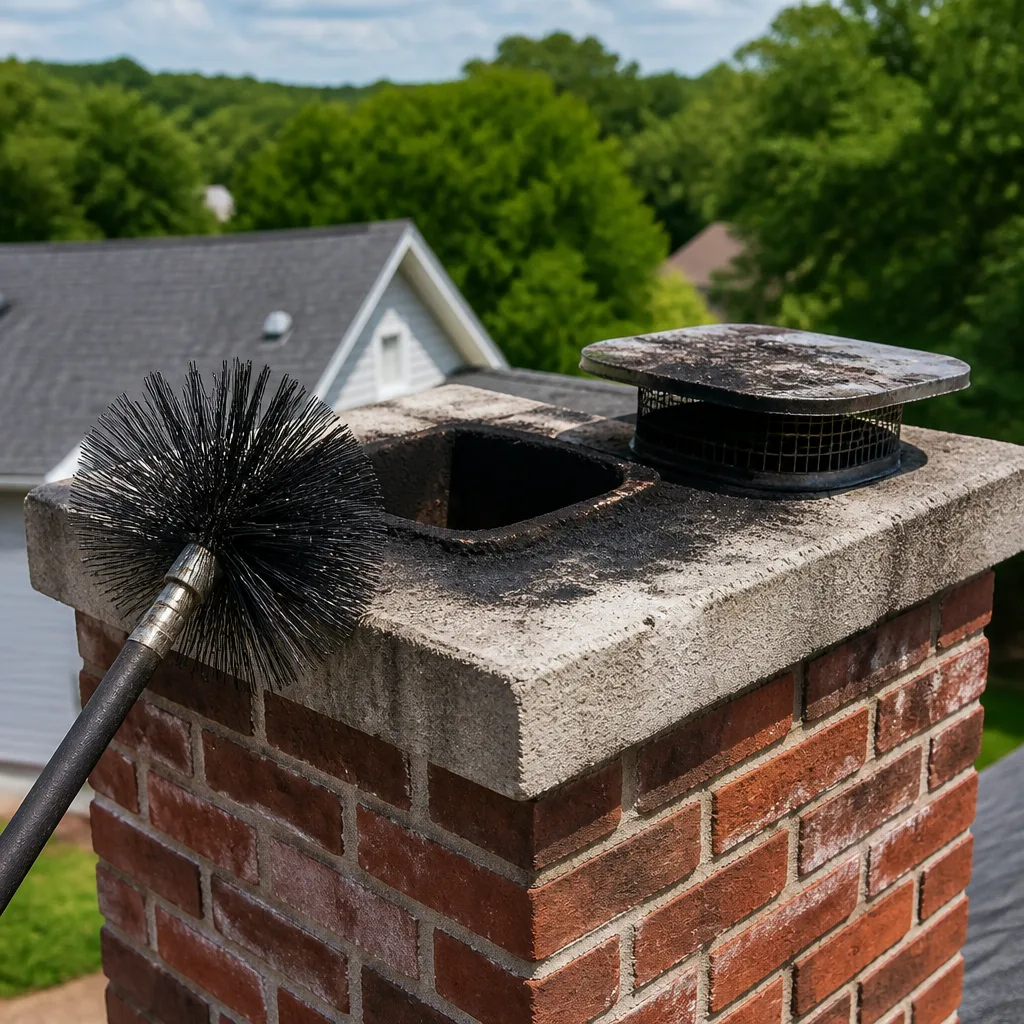
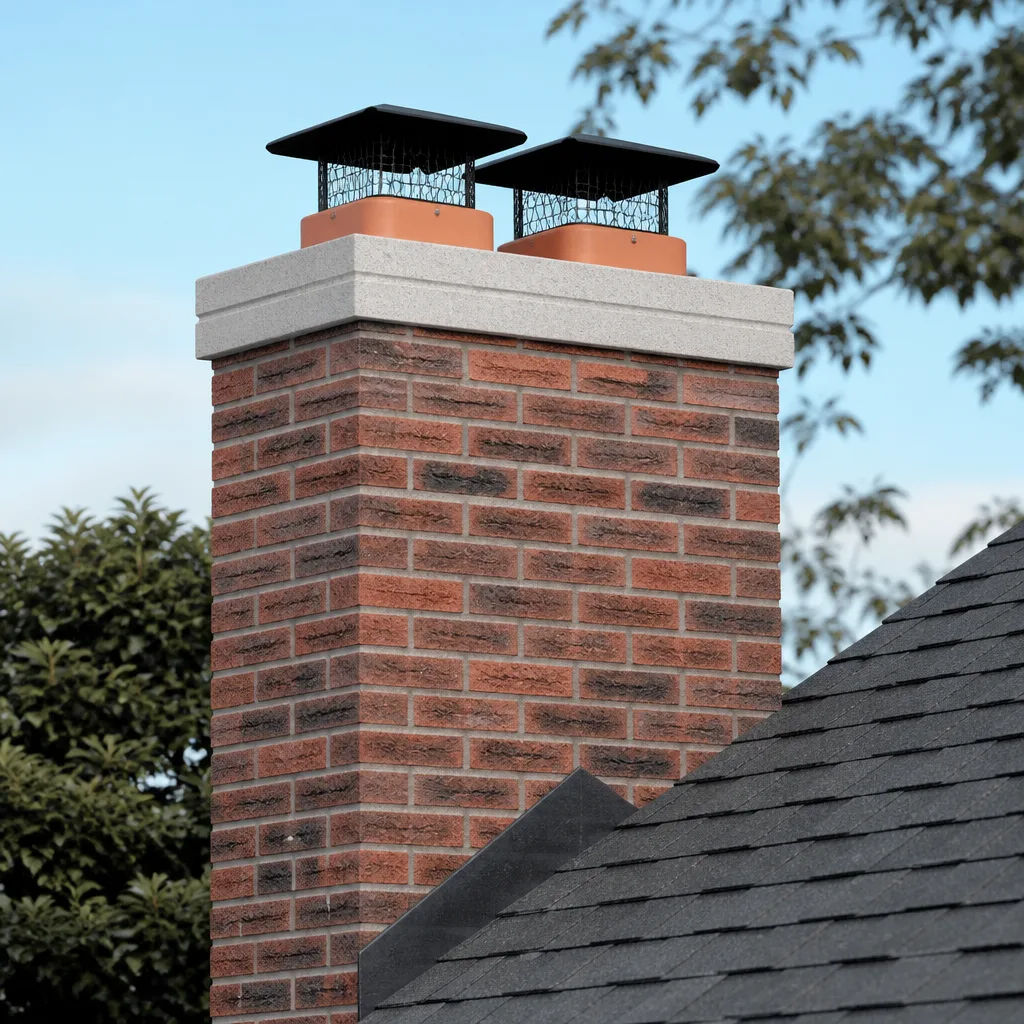
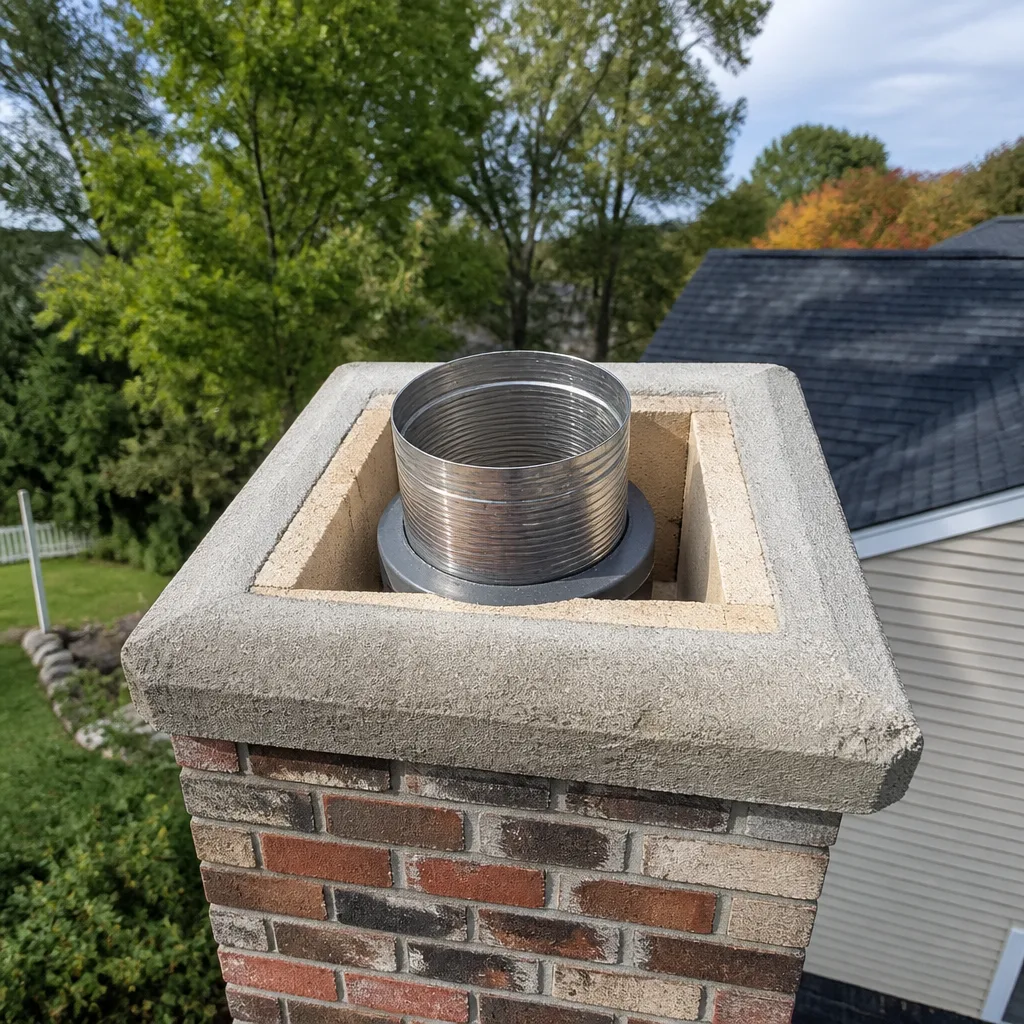
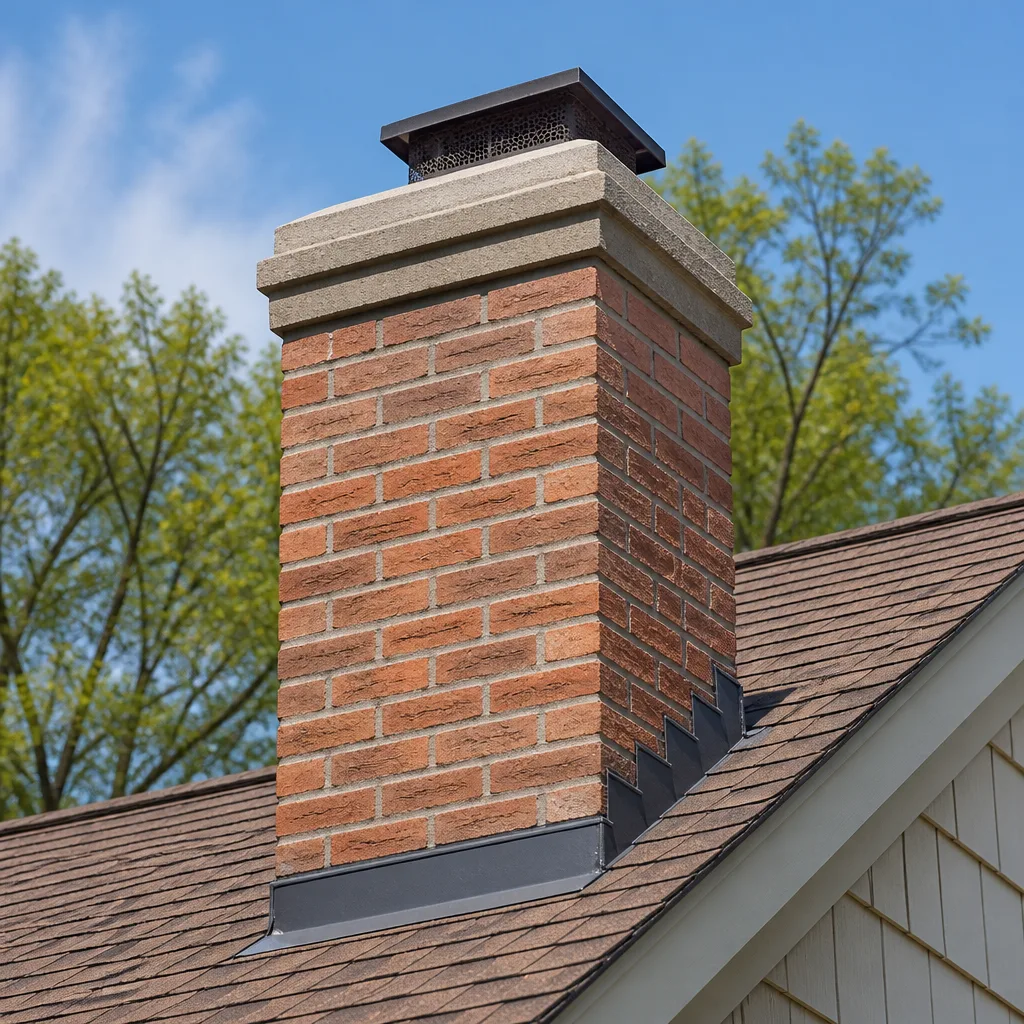
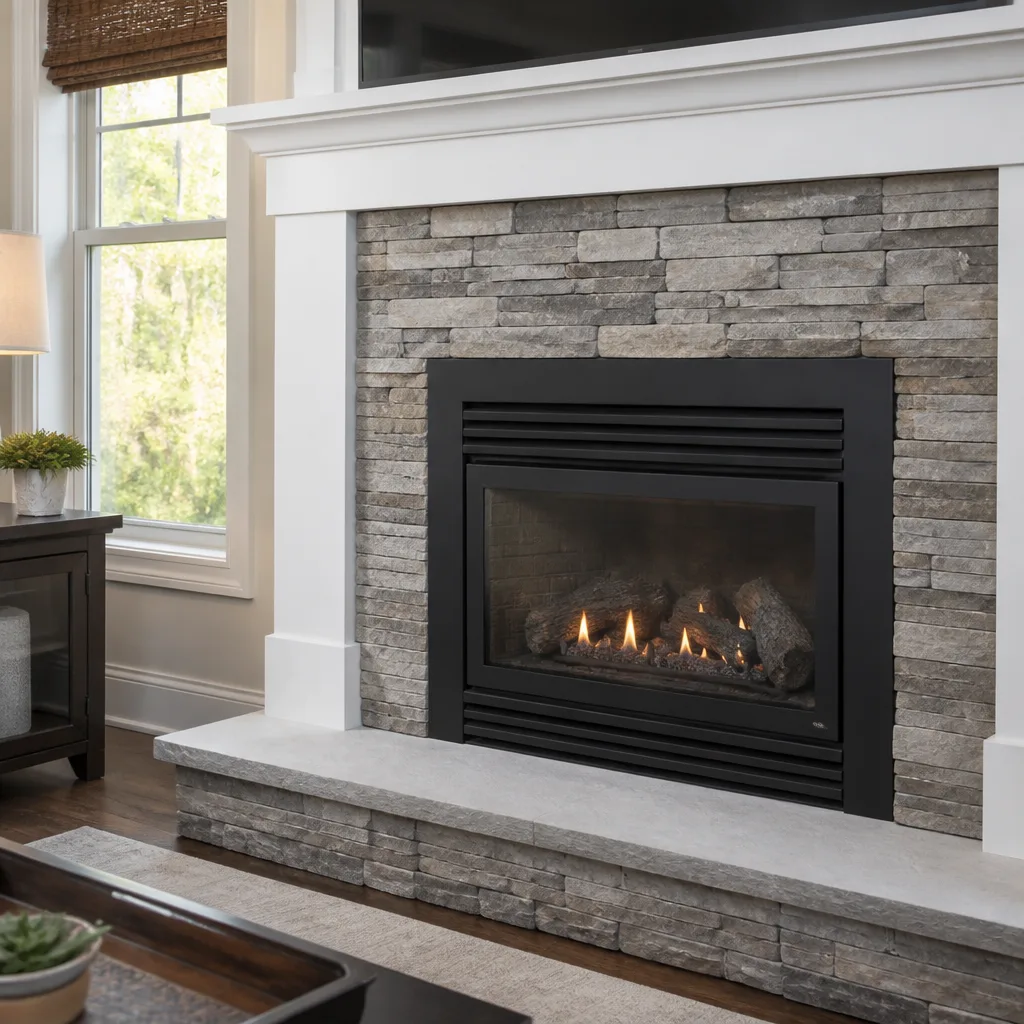
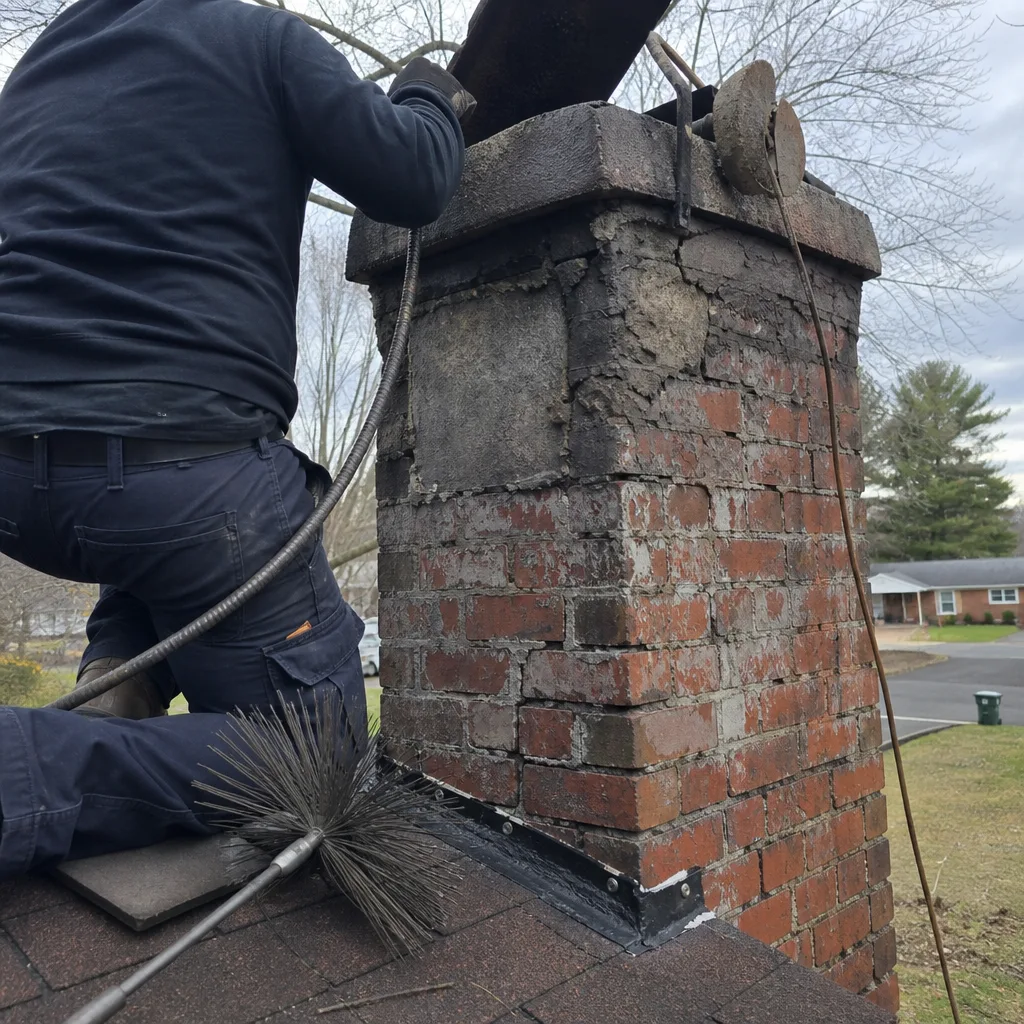 Before
 After
After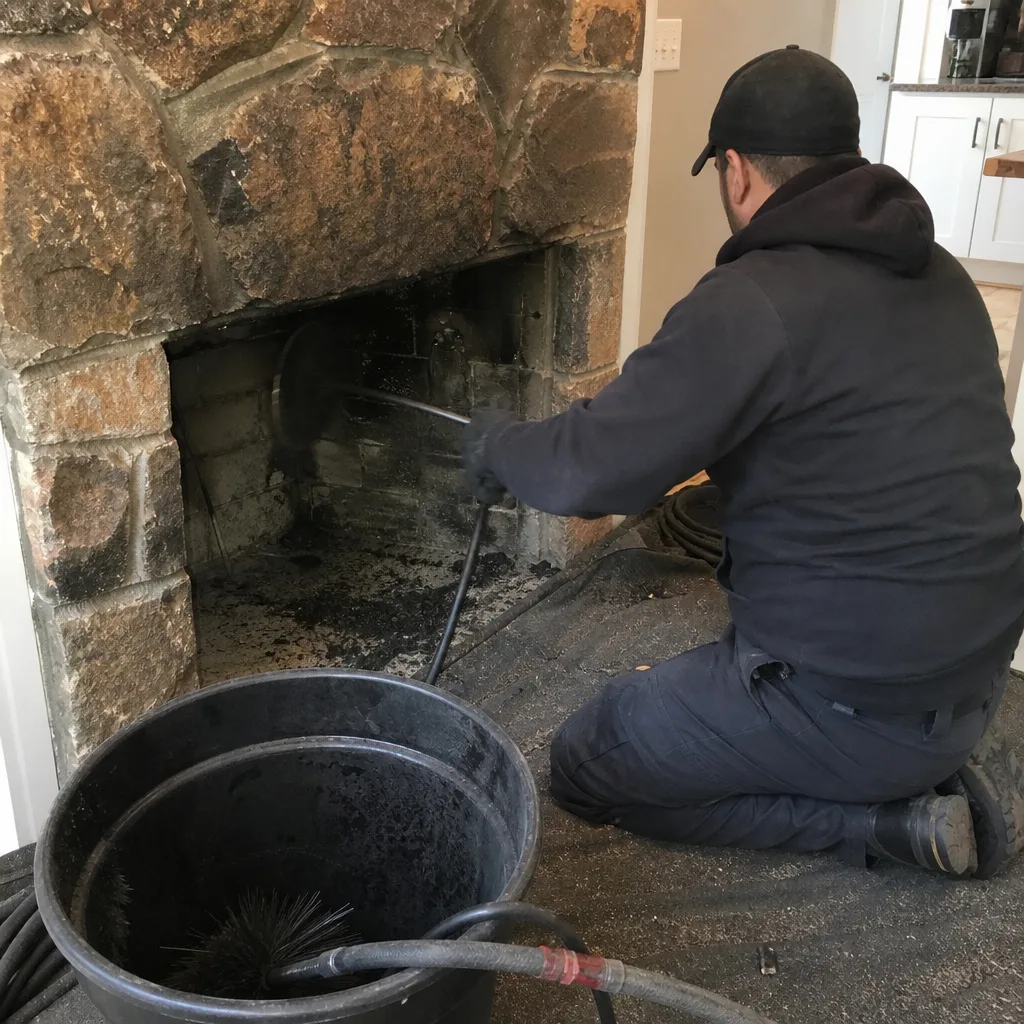 Before
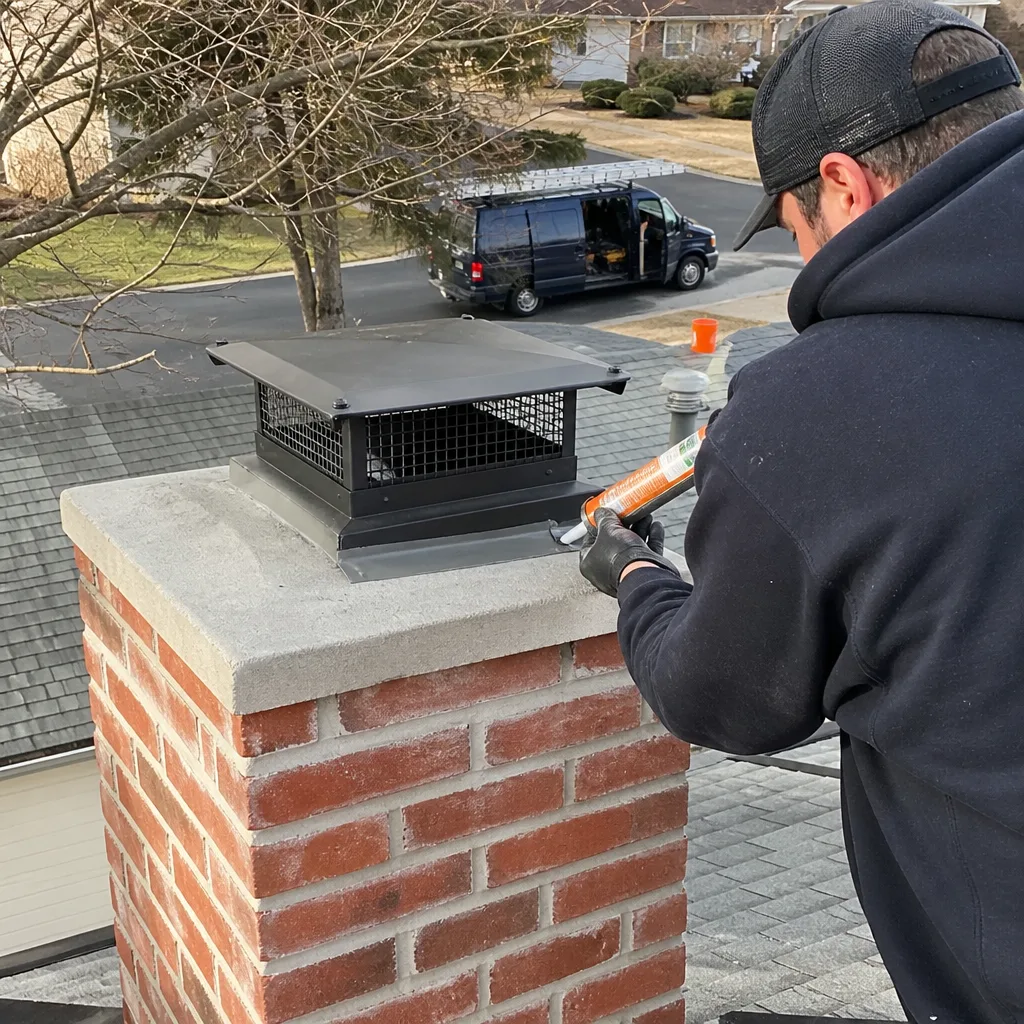 After
After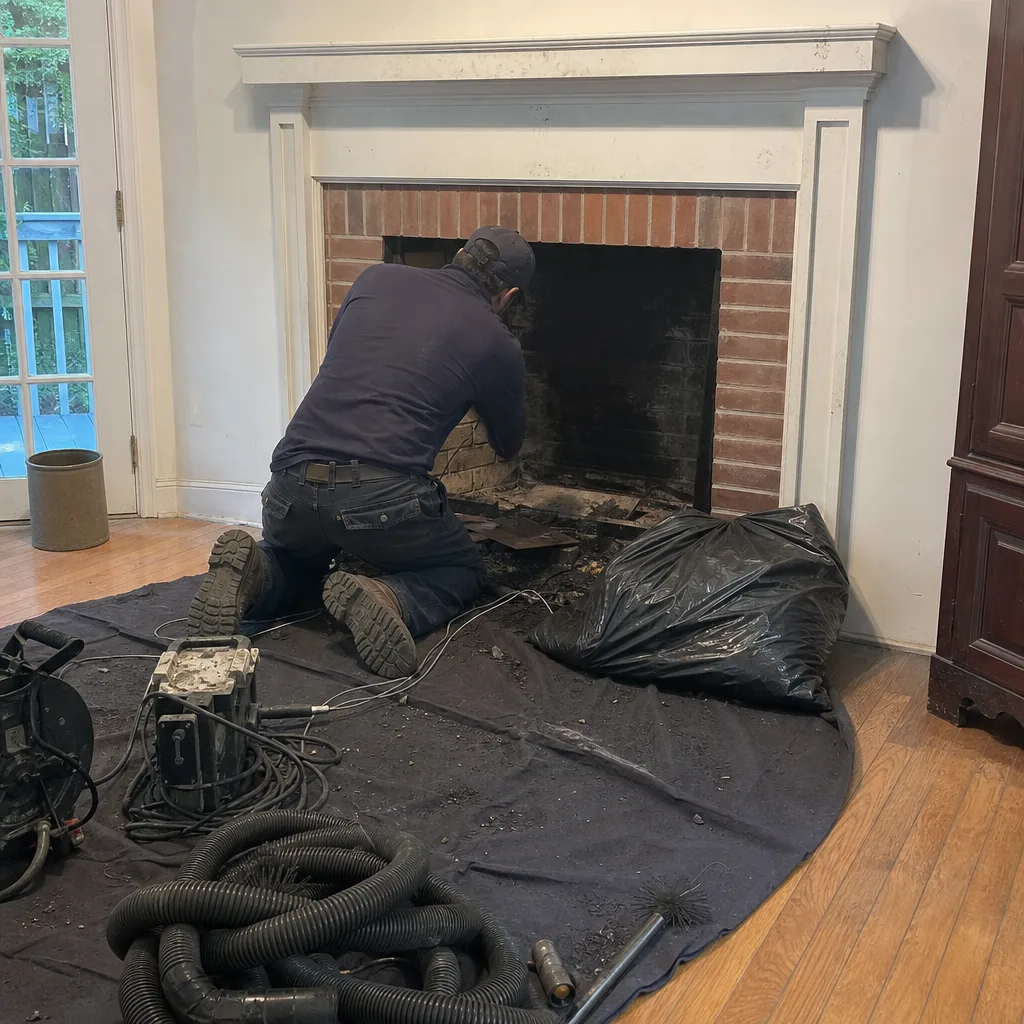 Before
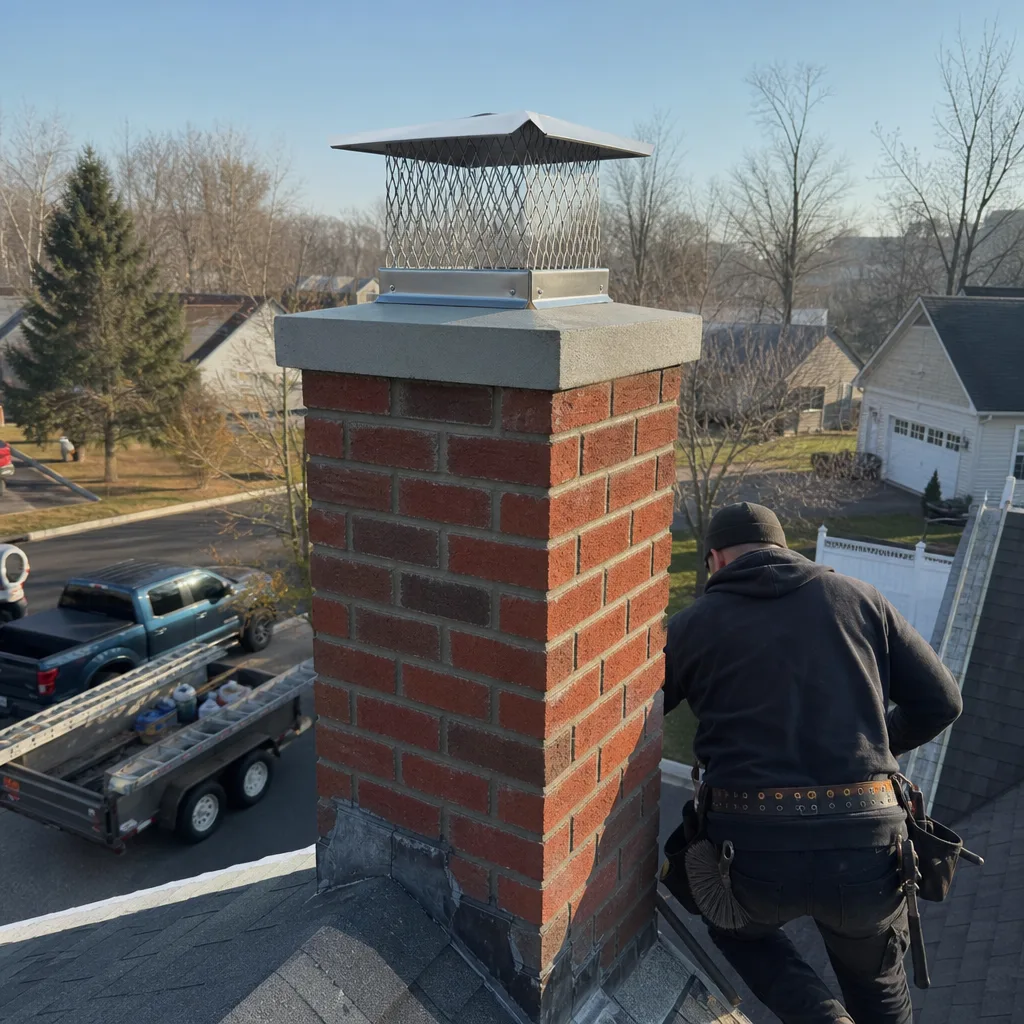 After
AfterChimney Cleaning Cost Breakdown: The Bridgewater Homeowner’s Reference for 2026
The $89 chimney cleaning is real. So is the $400 one. In Bridgewater, we’ve seen both arrive at the same front door, and the homeowner who chooses on price alone usually doesn’t know what they’re actually buying until the technician is already in the living room. The difference isn’t margin or markup. It’s scope, documentation, and whether the person doing the work plans to be in business when you need them back. This guide breaks down every line item that belongs on a legitimate chimney cleaning invoice in Somerset County, so you can read a quote the way a craftsman reads a blueprint: with certainty about what each number represents. For Chimney Cleaning & Sweep Maintenance Checklist for Bridgewater Homeowners and more guides & resources, see our blog.
Quick Answer
In Bridgewater, New Jersey, a professional chimney cleaning and inspection costs between $150 and $350 for a standard Level-1 service on a functioning fireplace or heating appliance, with Level-2 camera inspections running $250 to $450 depending on accessibility and flue condition. The $89 seasonal tune-up exists as a limited-scope entry point, while quotes above $400 typically include additional services such as cap assessment, damper adjustment, or documented photo reporting. What separates these prices is not the sweep itself but what happens before the technician leaves: the inspection depth, the written findings, and whether the company that did the work will answer the phone in January when a draft problem appears.
Table of Contents
- What Legitimate Chimney Cleaning Includes: A Line-Item Breakdown
- The Low-Quote Model: What $89 Actually Buys
- Common Repair Findings in Bridgewater Homes and Their Costs
- Photo-Documented Inspections as a Cost-Control Tool
- The Real Value of a 90-Day Written Guarantee
- How Often Should a Bridgewater Chimney Be Swept?
- Choosing Between Quotes: A Checklist
- Common Mistakes to Avoid
- When to Call a Professional
- Frequently Asked Questions
- The Bottom Line
What Legitimate Chimney Cleaning Includes: A Line-Item Breakdown
A proper chimney cleaning invoice in Bridgewater should read like a work order, not a mystery. After 42 years in this trade, we’ve learned that homeowners who understand each line item make better decisions and avoid the second-call regret that costs far more than any upfront quote.
Here is what belongs on every legitimate cleaning invoice:
- Sweep labor - The physical removal of combustible creosote deposits from the flue liner, smoke chamber, and firebox. This typically requires 45 to 90 minutes for a standard fireplace in a Bridgewater colonial or ranch, longer for heavily glazed creosote or multiple flues.
- Inspection level and documentation - A Level-1 inspection covers readily accessible portions of the chimney exterior and interior. A Level-2 inspection adds camera evaluation of the flue interior, required after chimney fires, property transfers, or when the flue configuration has changed. The inspection should produce written findings, not a verbal “looks fine” at the door.
- Drop cloth and vacuum containment - HEPA vacuum systems, protective sheeting for floors and furniture, and sealed containment for soot and creosote debris. This is not optional equipment. It is what prevents your living room from smelling like a campfire for three weeks.
- Written condition report - A document stating what was found, what was done, and what requires monitoring or repair. In our experience, the absence of this report is the single strongest predictor that a “cheap sweep” will lead to an expensive surprise later.
- Cap and crown visual assessment - The crown is the concrete wash at the top of your chimney; the cap keeps water and animals out. Both fail predictably in Bridgewater’s freeze-thaw cycles, and both should be evaluated during every cleaning. Catching crown cracking early is the difference between a $300 repair and a $3,000 rebuild.
Our Chimney Cleaning & Sweep in Bridgewater includes all five elements as standard practice. The 90-Day Done Right Promise covers the work in writing with no arguing. If it’s not right, we come back.
Pricing for these components in the Bridgewater market:
- Level-1 cleaning with written report: $150-$250
- Level-2 camera inspection added: $250-$450
- Additional flue (second fireplace or furnace flue): $75-$150
- Heavily glazed creosote removal (requires mechanical treatment): add $100-$200
- Drop cloth and HEPA containment: included in responsible bids, sometimes itemized separately in others
The $89 seasonal tune-up we offer is a limited-scope service designed for well-maintained systems between full inspections. It includes sweep labor and a basic visual check, not the full documentation package. We are plain about this because a customer who expects a Level-2 camera inspection for $89 will be disappointed, and disappointment is not how you build a 42-year business in Somerset County.
The Low-Quote Model: What $89 Actually Buys
The $89 chimney cleaning is not a scam. It is a business model, and it works because most homeowners cannot evaluate what they did not receive.
Here’s how the model operates: a technician arrives, runs a brush up the flue for twenty minutes, collects payment, and leaves. No written report. No camera inspection. No evaluation of the crown, cap, damper, or exterior masonry. The chimney may be cleaner than it was. It is not inspected, and inspection is where the value lives.
The risk surfaces months later, often in December, when the homeowner notices water stains on the ceiling near the chimney breast or smells smoke in the upstairs bedroom-classic Chimney Cleaning Warning Signs: A Bridgewater Homeowner’s Reference Guide. The $89 sweep saved $61 against a legitimate cleaning. The undetected cracked crown now requires a $2,800 rebuild. The undetected failed damper is sending heated air up the flue all winter. The undetected liner gap is a carbon monoxide pathway the homeowner cannot see or smell.
In Bridgewater specifically, this model exploits a local condition: our housing stock includes thousands of 1960s and 1970s split-levels and colonials with original clay flue liners that have survived forty to sixty freeze-thaw cycles. For details on local requirements, see Chimney Cleaning Permits, Codes & Inspections in NJ: What You Need to Know. These liners do not fail dramatically. They develop hairline cracks, spalling, and mortar loss that a camera reveals and a quick brush conceals. The $89 sweep does not include the camera. The homeowner who chose on price alone has no documentation of what the flue looked like before the problem became urgent.
There are scenarios where the limited scope makes sense. A homeowner who had a full Level-2 inspection eighteen months ago, whose system is performing normally, and who wants interim creosote management between comprehensive evaluations might reasonably choose a tune-up. The problem is not the service. The problem is the service sold as if it were something else.
We offer the $89 Seasonal Tune-Up as one of our four standing offers because some customers need exactly that. We also explain its limits before booking, because a square deal means no surprises on the bill and no surprises about what was not done.
Common Repair Findings in Bridgewater Homes and Their Costs
Every chimney tells a story about the house it serves. In Bridgewater, we see consistent patterns tied to our local housing stock, our climate, and the age of our neighborhoods. Explore more guides & resources on our blog.
Chimney cap replacement
Caps fail from rust, wind lift, and animal damage. A standard galvanized cap lasts five to seven years in our market; stainless steel caps from Olympia Chimney or Gelco last decades. Replacement cost: $150-$350 for standard sizes, $400-$700 for custom fit or multi-flue configurations. We use professional-grade caps exclusively because a second replacement in five years is not a savings.
Damper repair or replacement
The throat damper, located above the firebox, corrodes and warps from heat cycling. A stuck or missing damper costs $30-$50 per month in heated air loss during a Bridgewater winter. Repair: $200-$400. Top-sealing damper installation: $600-$900, with superior sealing and easier operation.
Minor repointing (tuckpointing)
Mortar joints between bricks deteriorate from water infiltration and freeze expansion. Caught early, repointing 10-20 square feet costs $500-$1,200. Delayed, the same area requires brick replacement and structural rebuilding at $2,500-$5,000. In the Bradley Gardens and Finderne sections, we regularly see 1970s brickwork that was never properly sealed and now needs this attention.
Crown repair or rebuild
The concrete crown sheds water from the chimney top. Cracks allow water into the chimney structure, where freeze-thaw cycling destroys masonry from within. Minor crack sealing with professional-grade crown coat: $300-$600. Full crown rebuild: $1,200-$2,500. Complete chimney rebuild when crown failure has compromised the structure: $4,000-$8,000.
Liner assessment and replacement
Clay tile liners in Bridgewater’s older homes crack, shift, and deteriorate at mortar joints. A Level-2 camera inspection reveals this condition definitively. DuraFlex stainless steel liner installation: $2,500-$4,500 depending on flue length and diameter. HeatShield cerfractory resurfacing for sound clay liners with minor gaps: $1,800-$3,200. These are not impulse purchases. They are safety corrections documented by photo evidence that the homeowner can see and evaluate.
Firebox refractory panel replacement
Prefabricated metal fireplaces have refractory panels that crack from thermal shock. Replacement panels: $400-$800 installed. This is straightforward work that becomes complicated only when the original manufacturer is out of business, which we encounter regularly in 1980s and 1990s Bridgewater construction.
Our Chimney Repair in Bridgewater page details these services specifically. Every repair recommendation we make follows photo documentation and a plain-English verdict. Nothing is suggested without evidence the homeowner can see.
Photo-Documented Inspections as a Cost-Control Tool
The most expensive chimney repair is the one you did not know you needed until it became an emergency. The second most expensive is the one you were told you needed but could not verify.
Photo-documented inspections solve both problems. A Level-2 camera inspection produces images of the flue interior, the smoke chamber, the damper condition, and the crown from angles no homeowner can access. These images become a reference point for future comparison and a shield against unnecessary repair recommendations.
Here is how to use this documentation as a cost-control tool:
- Establish baseline condition - The first comprehensive inspection documents the state of your system today. Three years later, the same camera positions reveal whether a crack has propagated, whether creosote buildup has accelerated, or whether a previously sound liner has deteriorated. Without baseline images, every finding is an isolated event with no context.
- Verify repair necessity - When a technician recommends a $2,800 liner replacement, the photo showing the crack, gap, or deterioration is your verification. If a company cannot or will not show you the specific damage, the recommendation is opinion, not evidence. We show every customer their flue images before discussing options. Photos you can see, a plain-English verdict.
- Compare year-over-year - Annual or biennial inspections with consistent documentation reveal patterns. A crown hairline crack that has not widened in four years requires monitoring, not immediate action. The same crack that grew from hairline to pencil-width in eighteen months requires intervention before water infiltration accelerates.
- Support insurance or real estate claims - Documented chimney condition supports claims for storm damage, supports disclosure in property sales, and protects against post-sale disputes. A written report with dated photographs is evidence. A verbal assurance is not.
- Avoid redundant inspections - If you have a documented inspection from a reputable company within the past two years, share it with any subsequent technician. This prevents paying for the same evaluation twice and provides continuity of care for your chimney system.
In Bridgewater’s competitive real estate market, particularly in neighborhoods like Green Knoll and Martinsville where homes move quickly, a documented chimney inspection from a recognized local company adds transaction confidence. Buyers’ inspectors may still conduct their own evaluation, but a clean report from Hearthstone Chimney Co. with dated photographs reduces uncertainty and can prevent last-minute negotiation surprises.
The cost of this documentation is built into Level-2 inspection pricing: $250-$450, or approximately $100-$150 above a basic cleaning. Spread across the two to three years between recommended inspections, this is $3-$6 per month for information that can prevent thousand-dollar surprises.
The Real Value of a 90-Day Written Guarantee
A guarantee is only as reliable as the company behind it. In the chimney trade, where many operators are one-truck businesses with no permanent address, a “guarantee” can be a word spoken at the door with no mechanism for enforcement.
Our 90-Day Done Right Promise is different. It is the Keystone Standard, governed by our K.E.Y.S. values code: Krafted right, Every time, Your home first, Standing behind it. The promise is simple: if the work is not done right, we make it right. In writing. No paperwork to dig up, no arguing about what was included, no charge for the return visit.
This guarantee has real cost implications for how we price our work:
- We use professional-grade materials from DuraFlex, HeatShield, Gelco, Olympia Chimney, Famco, and Copperfield because callback repairs on failed materials cost more than using the right product the first time.
- Our technicians are background-checked, uniformed, and trained to complete most jobs in a single visit because return trips for incomplete work erode margin and damage reputation.
- We answer every call with a live person, 24 hours a day, 7 days a week, because a guarantee you cannot reach is not a guarantee.
- We document every inspection with photographs because “done right” requires a record of what “right” looked like on the day of service.
These practices cost more than the alternative. They are priced into our bids. And they are worth substantially more than their cost in a New Jersey winter when a draft problem appears six weeks after a sweep, or when a cap installation leaks in the first March thaw.
The alternative is the company that offers no written guarantee, or a 30-day verbal promise from a technician who may not work there next season. In Bridgewater, where winter temperatures regularly drop below 20°F and heating systems run continuously for months, a chimney problem that surfaces in January is not an inconvenience. It is an emergency. The company that answers the phone at 7 PM on a Saturday and returns to correct its work without charge is the company that priced that reliability into its original quote.
We have served local communities for over 42 years. A company that plans to be in town in thirty more years acts accordingly. The 90-Day Done Right Promise is not marketing language. It is how we stay in business.
How Often Should a Bridgewater Chimney Be Swept?
Frequency depends on use, fuel, and system type. The National Fire Protection Association Standard 211 recommends annual inspection, with cleaning as needed based on creosote accumulation. In practice, this means:
- Wood-burning fireplace, regular use (3+ fires per week October through March): sweep annually, typically in late summer or early fall before the burning season. Bridgewater’s hardwood supply - oak, maple, hickory - burns cleaner than softwoods but still produces creosote that accumulates in the flue.
- Wood-burning fireplace, occasional use (holiday fires, weekends): inspect annually, sweep every 1-2 years based on inspection findings. The inspection matters more than the sweep schedule because occasional-use chimneys often develop moisture and animal intrusion problems that regular fires would reveal.
- Gas fireplace or insert: inspect annually, sweep rarely. Gas burns cleanly but produces acidic condensation that deteriorates liners, and ceramic logs degrade to obstruct vents. The inspection evaluates these conditions; cleaning is typically minimal.
- Oil or gas furnace flue: inspect annually. These flues handle continuous operation through winter and are subject to condensation corrosion and liner deterioration that is invisible from the living space.
- Pellet stove: clean venting system per manufacturer schedule, typically every 1-2 tons of pellets burned. Bridgewater pellet users should schedule professional evaluation of the entire venting path, not just the appliance itself.
Local conditions in Bridgewater affect these schedules. Our position in the Raritan Valley exposes chimneys to higher wind loading than inland areas, accelerating cap and crown wear. The freeze-thaw cycling between our cold winters and humid summers stresses masonry more severely than more temperate climates. Homes in elevated areas near the Watchung Mountains experience more severe weather exposure than properties in the valley floor.
We recommend scheduling inspections in August or September, before the autumn rush that begins after Labor Day. Early scheduling ensures availability, allows time for any needed repairs before the first fire, and often secures better pricing before seasonal demand peaks.
Choosing Between Quotes: A Checklist
When three companies offer three prices for what sounds like the same service, use this checklist to evaluate what each quote actually includes. Print it, mark each box, and compare apples to apples.
| Line Item | Company A | Company B | Company C |
|---|---|---|---|
| Level-1 or Level-2 inspection specified? | |||
| Written report included? | |||
| Photo documentation of flue condition? | |||
| Crown and cap evaluation included? | |||
| Damper operation checked? | |||
| HEPA containment and cleanup? | |||
| Written guarantee, what duration, what terms? | |||
| Technician background check and uniform? | |||
| Company years in business, local address? | |||
| Repair recommendations require photo evidence? |
Any company that resists providing this detail in writing is telling you something important about how they operate. A legitimate operator knows exactly what is included and prices accordingly. The company that says “it’s just a cleaning, don’t worry about it” is asking you to buy an unknown.
Our standing offers include: $50 Off Any Repair Over $250, Free Second Opinion on any written estimate, the $89 Seasonal Tune-Up, and a permanent 5% Senior and Veteran discount. These are real reductions, not phantom “discounts” applied to inflated base prices. We are plain about this because the arithmetic should work in the homeowner’s favor, not the company’s.
Common Mistakes to Avoid
- Choosing on price alone without comparing scope. The lowest quote is often the most expensive choice when it omits inspection, documentation, and follow-up accountability. In Bridgewater’s older neighborhoods, we’ve corrected work from low-bid sweeps that missed deteriorated liners and failing crowns.
- Skipping inspection after a cleaning. Cleaning and inspection are complementary, not sequential options. A clean flue with a cracked liner is still dangerous. The inspection evaluates what the sweep cannot see from the roof.
- Ignoring the crown and cap. Water is the enemy of every chimney in our climate. Homeowners who focus only on the flue interior miss the exterior components that admit water and cause structural damage. Every comprehensive service includes crown and cap evaluation.
- Accepting verbal findings without written documentation. Verbal assurances evaporate. Written reports with photographs persist, support insurance claims, and protect property value. If a company will not put its findings in writing, the findings are not findings.
- Delaying repair of minor findings. A $300 crown crack becomes a $3,000 rebuild through freeze-thaw cycling. Bridgewater winters are not forgiving to water-damaged masonry. Addressing findings when they are minor is how you avoid emergency repairs in January.
- Assuming gas systems need no attention. Gas flues deteriorate from acidic condensation, not creosote. The damage is invisible until it is severe. Annual inspection is not optional for gas fireplaces or furnaces.
- Hiring without verifying local presence. Chimney work requires follow-up. A company with no permanent Bridgewater or Somerset County address, no local references, and no established reputation cannot provide the accountability that a 42-year local business offers. We answer the phone with a live person every hour of every day because we are here.
When to Call a Professional
Call for an inspection before the burning season begins, without exception. Beyond that scheduled maintenance, contact a professional immediately if you notice smoke entering the room during operation, a persistent odor of creosote or gas, visible cracks in the firebox or exterior masonry, water stains on walls or ceilings near the chimney, or a damper that will not open or close fully. These are not cosmetic concerns. Smoke infiltration indicates draft failure or blockage. Creosote odor signals dangerous accumulation. Water stains mean the chimney’s protective envelope has failed. A stuck damper is a fire hazard and an energy waste.
For any of these conditions, Hearthstone Chimney Co. offers free estimates in Bridgewater. Call (908) 589-8342. A live person answers every call, 24 hours a day, 7 days a week. We’ll be there when we say. Done right, and we stand behind it.
Frequently Asked Questions
A professional chimney sweep and Level-1 inspection in Bridgewater typically costs $150 to $250, with Level-2 camera inspections ranging from $250 to $450 depending on flue accessibility and condition. The $89 seasonal tune-up is available for well-maintained systems between comprehensive inspections. Call (908) 589-8342 for an exact quote - estimates are free.
You need a new liner only if inspection reveals cracks, gaps, or deterioration that compromise safe venting of combustion gases. A Level-2 camera inspection provides definitive evidence. We never recommend liner replacement without photo documentation you can see yourself. In Bridgewater’s older homes with original clay tile liners, we frequently find liners that are sound but improperly sized for modern appliances, which is a different problem requiring different correction.
The NFPA recommends annual inspection for all chimney systems, with cleaning frequency determined by creosote accumulation. Wood-burning fireplaces used regularly need annual sweeping. Occasional-use systems need inspection every year and sweeping every one to two years. Gas systems need annual inspection but rarely need sweeping. In Bridgewater’s climate, pre-season inspection in August or September is optimal.
Skipped maintenance leads to creosote accumulation that fuels chimney fires, liner deterioration that allows carbon monoxide infiltration, and water damage that destroys masonry from within. Chimney fires in creosote-heavy flues can reach 2,000°F and spread to structural framing. Carbon monoxide is odorless, colorless, and lethal at concentrations that a damaged liner can permit into living spaces. These are not theoretical risks. They are the documented outcomes of neglected maintenance.
Quote variation reflects differences in inspection depth, documentation quality, technician training, material standards, and guarantee backing. A $89 service removes creosote but does not inspect comprehensively or document findings. A $350 service includes camera inspection, written reporting, photo documentation, and a written guarantee backed by a company with 42 years of local history. The homeowner’s task is to understand which service matches their needs.
We do not recommend DIY chimney cleaning. The work requires proper equipment for flue access, HEPA containment for soot and creosote, and trained evaluation of liner condition, crown integrity, and draft performance that homeowners cannot perform from a ladder. More critically, the inspection that accompanies professional service is where safety hazards are identified. Cleaning without inspection is like changing oil without checking the filter - the visible task obscures the critical evaluation.
The $89 Seasonal Tune-Up includes creosote removal from the flue and a basic visual assessment of accessible components. It does not include Level-2 camera inspection, written documentation, or comprehensive exterior evaluation. We recommend this service for systems that received full inspection within the past eighteen months and are performing normally. For all other conditions, we recommend comprehensive service with full documentation.
The Bottom Line
Chimney cleaning cost in Bridgewater is not a single number but a range that reflects what is included, how it is documented, and who stands behind the work. The $89 tune-up serves a specific purpose for well-maintained systems. The $150-$250 comprehensive cleaning with written report is the standard for responsible maintenance. The $250-$450 Level-2 inspection with camera documentation is the investment that prevents thousand-dollar surprises. The right choice depends on your system’s condition, its history, and your tolerance for uncertainty. We have been answering questions about these choices for over 42 years. The answer we give is the same one we would give our own neighbors: understand what you’re buying, get it in writing, and choose a company that will answer the phone when you need them. Done right, and we stand behind it.
Written by Russell Haines, Owner at Hearthstone Chimney Co., serving Bridgewater since 2014.